

Cart
0

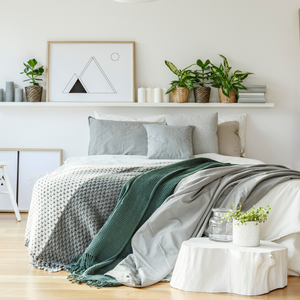
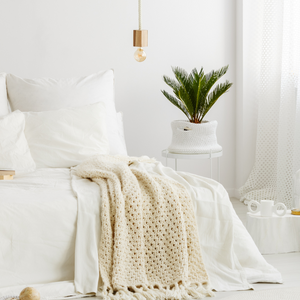
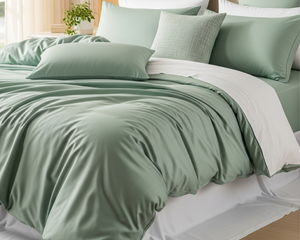
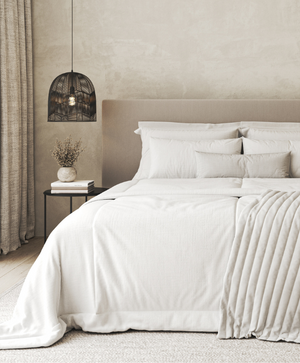
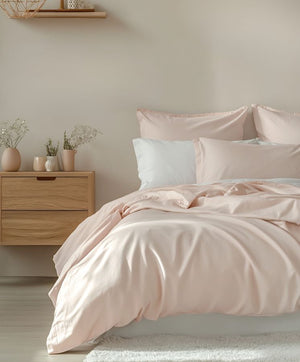
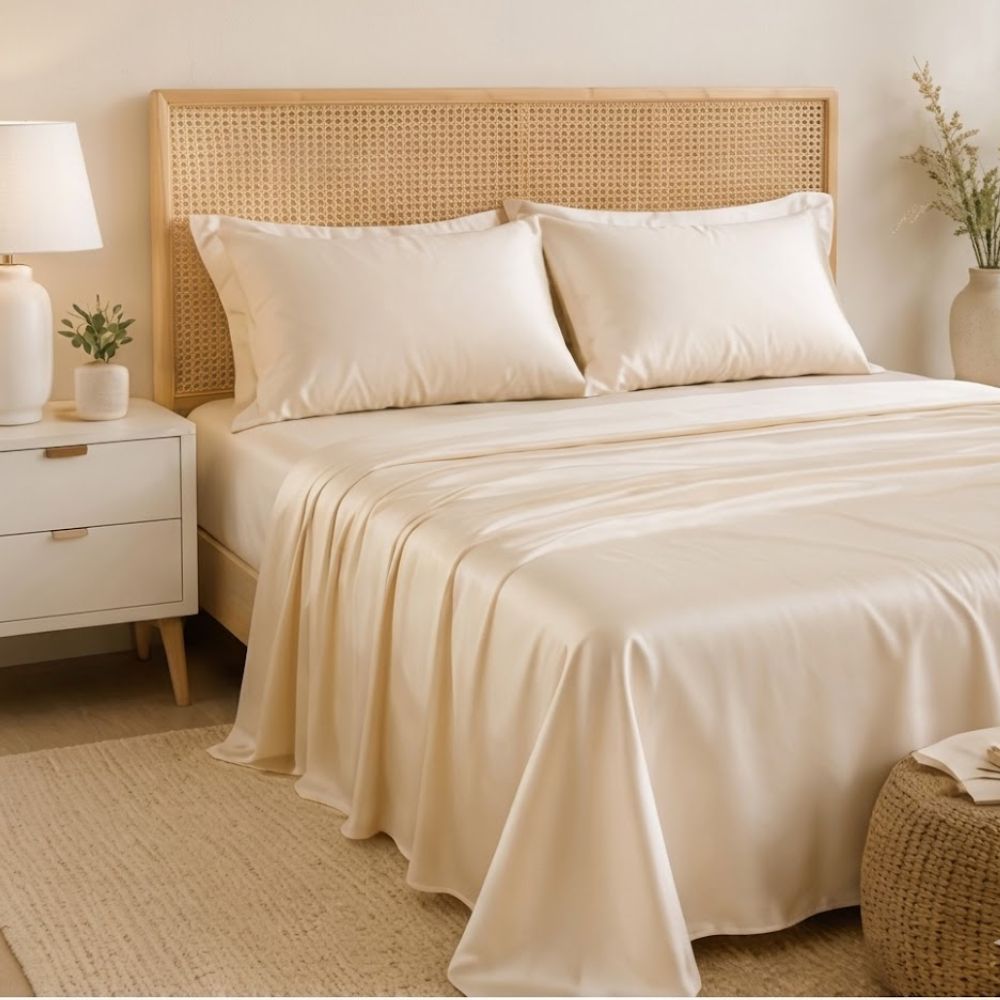
A beautiful bed should not leave you overheated at 2 a.m., surrounded by fabric that feels scratchy, traps moisture, or comes with unanswered questions about what touched your skin. Sustainable bedding asks more of the materials closest to you for eight hours each night: exceptional comfort, credible environmental consideration, and performance that lasts beyond the first few washes.
For many bedrooms, the shift begins with a simple realization. Bedding is not merely decor. It is part of your sleep environment, your temperature regulation, and your daily exposure to textiles. The right choice can create a cooler, calmer surface for rest while supporting a more considered approach to how fibers are grown, processed, dyed, and cared for.
What Sustainable Bedding Should Actually Mean
The term "sustainable" is used freely in home textiles, which is why the details matter. A material is not automatically responsible because it comes from a plant, has a natural-sounding name, or arrives in minimalist packaging. Meaningful sustainable bedding considers the full picture: the origin of the raw material, water and energy use, the manufacturing process, chemical management, durability, and the product's useful life in your home.
This does not mean every bedding choice has a perfect footprint. It means looking for better decisions at the stages that matter most. A sheet set that loses its softness quickly or must be replaced every year may be less responsible in practice than a premium set designed to retain its feel and performance through regular use.
For sleepers, sustainability should not require compromise. The most desirable bedding feels refined against the skin, supports a comfortable sleeping temperature, and holds its place in a well-designed bedroom. Environmental responsibility and luxury can belong in the same bed.
Fiber Choice Sets the Foundation
Cotton, linen, hemp, TENCEL™ lyocell, and bamboo-derived fabrics can all play a role in a more thoughtful linen closet. Each has different strengths, limitations, and production realities.
Organic cotton can reduce reliance on certain synthetic agricultural inputs, but cotton remains a thirsty crop in many growing regions. Linen, made from flax, is known for its airy texture and potential for lower-input cultivation, though its crisp hand may not suit sleepers who want a silky finish. Hemp is durable and naturally breathable, but it can feel more textured than traditional luxury sheeting.
Bamboo is where shoppers should slow down and ask a better question: what kind of bamboo fabric? The answer changes the story significantly.
Bamboo Lyocell Versus Bamboo Viscose
Both bamboo lyocell and bamboo viscose begin with bamboo pulp. What distinguishes them is the way that pulp becomes fiber. Bamboo viscose commonly relies on a chemically intensive transformation process. It may produce a soft fabric, but “bamboo” alone does not describe the manufacturing standard or environmental profile of the finished textile.
Bamboo lyocell uses a more advanced closed-loop process designed to recover and reuse much of the processing solution. This approach can reduce waste and create an exceptionally smooth, fine fiber with natural moisture management. When paired with careful dyeing and verified chemical-safety standards, it offers a more considered route to the cool, fluid feel people expect from premium bamboo bedding.
The distinction is not technical trivia. It is central to evaluating whether a fabric's sustainability claim is supported by its construction and manufacturing method. If a brand cannot clearly state whether its product is bamboo lyocell or bamboo viscose, the shopper is left to fill in the most important part of the story.
Performance Is Part of Responsible Design
A lower-impact material has more value when it earns a long life in your home. That is why performance belongs in the sustainable bedding conversation.
Bamboo lyocell is prized for its smooth surface and moisture-wicking qualities. Instead of holding perspiration close to the body, the fabric can help move moisture away from the skin, creating a drier, more composed sleep surface. Its breathable structure also supports temperature regulation, a meaningful benefit for hot sleepers, warm climates, and couples with different sleep temperatures.
For people with sensitive skin, softness is more than a sensory preference. Rough fibers, heavy finishes, and retained moisture can make bedtime feel less restorative. A finely made lyocell fabric offers a gentle drape and a polished, cool-to-the-touch hand without relying on an overly slick synthetic feel.
Still, performance depends on the product, not the fiber name alone. Weave, fabric weight, finishing, stitching, and quality control all influence how sheets feel and wear. A responsibly sourced fiber cannot compensate for thin construction or careless finishing.
Certifications Bring Needed Clarity
Trustworthy certifications help separate broad promises from independently evaluated standards. OEKO-TEX® STANDARD 100, for example, tests textiles for a range of substances that may be harmful to human health. For bedding that rests directly against your skin night after night, that reassurance carries real weight.
Certification should be described precisely. OEKO-TEX certification does not mean a textile was made without any chemistry whatsoever. Modern textile production involves processing, washing, and dyeing. What it can indicate is that the finished product has met strict limits for tested harmful substances. That is a more useful and credible standard than vague “clean” language.
Also look for brands that explain their fiber source, fabric type, and care requirements in clear terms. Transparency is not a design detail. It is how premium bedding earns confidence.
How to Choose Sustainable Bedding Without Guesswork
Start with how you sleep. If you regularly wake warm or damp, prioritize breathable, moisture-managing fibers and avoid overly heavy fabric constructions. If your skin is reactive, seek smooth textiles with credible chemical-safety testing and skip products that rely on unexplained treatments or fragrance claims.
Then assess the product beyond its headline material. Ask whether the brand identifies the exact fiber, explains how it is made, and provides information about certifications. Consider whether the bedding is built for repeated washing, with durable seams and a finish that is intended to remain soft rather than disappear after a few laundry cycles.
Price deserves context as well. Premium sustainable bedding costs more when better fiber processing, responsible production, rigorous testing, and durable construction are part of the equation. The goal is not to buy the most expensive sheet set available. It is to invest in bedding that feels worthy of its place in your home and performs long enough to justify the decision.
A focused linen closet can be more useful than a crowded one. One or two well-made sheet sets, a breathable duvet cover, and a comforter suited to your local climate give you flexibility without accumulating bedding that sits unused.
Care Extends the Life of Your Bedding
The most sustainable sheet set is one you continue to enjoy. Proper care protects the fibers, preserves softness, and reduces the need for early replacement.
Wash bedding in cool water with a gentle detergent, avoiding bleach and fabric softeners that can coat delicate fibers. Dry on low heat or line dry when practical, then remove promptly to limit wrinkles. High heat is especially hard on fine cellulosic fibers and can shorten the life of elastic, stitching, and fabric finishes.
Wash only when needed, but do not wait so long that body oils and skincare products become difficult to remove. For most households, weekly washing is a sensible rhythm. Rotating between two sets also gives each set time to rest and makes laundry feel less urgent.
A Bedroom Standard Worth Raising
Sustainable bedding is not about pursuing perfection through a label. It is about choosing materials and manufacturing methods with greater care, then expecting those choices to deliver a superior night of sleep. The best pieces bring a serene cascade to the bed, a cooler feel against the skin, and a level of transparency that matches their premium finish.
At Verleu, that standard is reflected in bamboo lyocell bedding designed for people who expect more from the place they rest. Because when your sheets are made with intention, the bedroom becomes more than a room you end the day in. It becomes a setting that helps you wake ready to begin again.


