

Cart
0



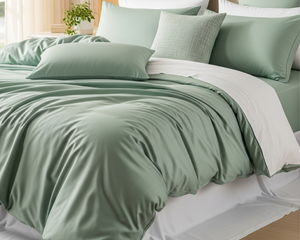
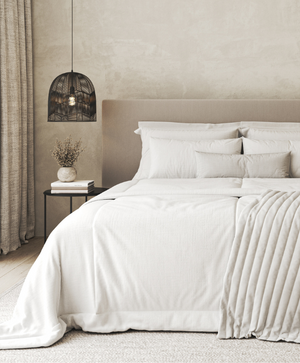
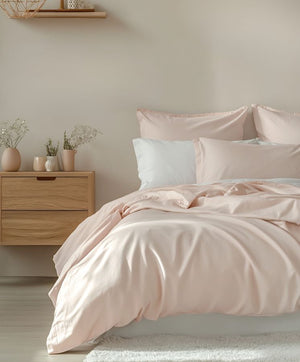
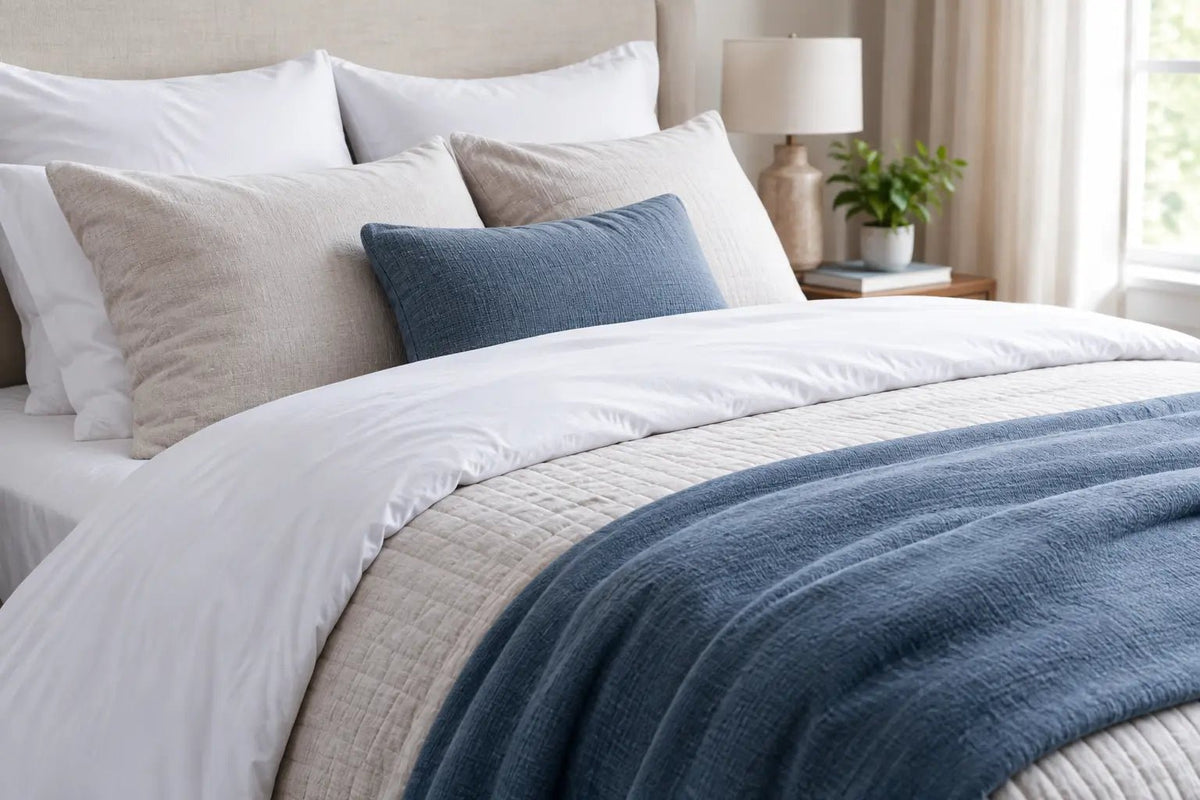
A beautifully made bed should not feel like a display piece you have to dismantle before sleep. The real art of how to layer luxury bedding is creating a bed that looks considered at noon and feels effortless at midnight: cool against the skin, warm when the room drops, and free from the bulky weight that can interrupt rest.
Luxury is not simply a higher thread count or more pillows. It is the thoughtful relationship between each layer - the fitted sheet that stays smooth, the breathable sheet set that manages moisture, the comforter that provides insulated comfort without trapping heat, and the finishing pieces that give the bed its serene cascade. When every layer has a purpose, the result is more than polished. It supports better sleep.
Start With Performance at the Foundation
The fitted sheet is the layer that does the most quiet work. It should fit securely around the mattress, remain smooth through the night, and feel exceptional against bare skin. A loose or overly stiff fitted sheet can make even an expensive bed feel unsettled.
For sleepers who run warm, material matters more than excessive layering. Bamboo lyocell is especially well suited to the foundation of a luxury bed because its smooth fibers feel cool and silky while helping move moisture away from the body. Unlike bedding that feels cool only for the first few minutes, a breathable, moisture-wicking fabric helps maintain a more comfortable sleep environment over the course of the night.
Choose a fitted sheet with enough pocket depth for your mattress and any topper. Then pull it taut from corner to corner. This small detail creates the crisp, composed surface associated with luxury hotels, but it also prevents bunching beneath your body.
Build Your Bed With Sheets That Invite Sleep
Place the flat sheet over the fitted sheet with the finished edge facing down. This may seem counterintuitive, but when you fold the top edge back over the comforter or duvet, the polished side will be visible.
Leave enough sheet at the top to create a generous cuff, usually six to ten inches depending on mattress height and personal preference. Tuck the bottom edge under the mattress, then make relaxed hospital corners if you prefer a tailored look. If you dislike the restriction of tucked-in bedding, skip the tight sides. Luxury should feel personal, not prescribed.
The flat sheet is optional for some sleepers. If you prefer the direct feel of a duvet cover against your skin, especially in warmer climates, you can leave it out. A flat sheet does, however, provide a light breathable layer between you and the comforter, which can make temperature adjustments easier and reduce how often your top layer needs laundering.
How to Layer Luxury Bedding Without Overheating
The most common mistake is treating a luxury bed as a stack of increasingly heavy textiles. Visual abundance can be beautiful, but a bed that holds too much heat will not deliver restorative comfort.
Start with one primary insulating layer: either a comforter or a duvet insert inside a duvet cover. A comforter offers a streamlined, ready-made look. A duvet creates more flexibility because you can change the cover seasonally or adjust the insert weight as your sleep needs change. Neither is inherently more luxurious. The better choice is the one that suits your room temperature, laundry routine, and preferred finish.
For year-round comfort, choose a breathable comforter with a light-to-medium loft rather than an excessively thick option. The goal is loft without heaviness. When paired with moisture-wicking bamboo lyocell sheets and a duvet cover that does not trap heat, the bed can feel cocooning without becoming stifling.
If you share a bed, account for different sleep temperatures. Couples often assume they need a warmer shared comforter, when two bodies already generate significant heat. A medium-weight top layer is often the more comfortable compromise. In colder months, add a blanket over the flat sheet or folded at the foot of the bed instead of replacing the entire bedding system with something overly dense.
Add a Blanket for Flexibility, Not Bulk
A lightweight blanket is the most useful transitional layer in a luxury bedding arrangement. It gives you control when the temperature changes during the night and adds visual depth without making the bed feel crowded.
Place it between the flat sheet and comforter for an integrated, hotel-style finish. For a more relaxed bedroom, fold it in thirds and lay it across the lower third of the bed. This approach keeps it within reach while allowing the drape and texture of your comforter or duvet to remain visible.
The material should match the season. A breathable knit or light woven blanket works well for spring and summer. A more substantial cotton, wool, or quilted layer can be welcome in winter, particularly in homes that run cool. Hot sleepers should be cautious with synthetic fleece, which can retain warmth and moisture even when it initially feels soft.
Make the Top Layer Look Intentional
Once the functional layers are in place, turn to the finish. Fold the top of your comforter or duvet down approximately one-quarter of the bed length, then fold the flat sheet over it to reveal the clean cuff. This creates the inviting, layered dimension that makes a bed look prepared rather than simply covered.
A duvet cover in a subtle neutral, rich mineral tone, or refined stripe can anchor the room without competing with every other surface. The key is restraint. Pair smooth, luminous sheets with one or two contrasting textures, such as a matte coverlet or a softly woven throw. Too many competing patterns and fabrics can make the bed look styled for a photograph rather than designed for rest.
If your bed has a headboard, allow the top layer to sit slightly below it so the pillow arrangement has room to breathe. On a platform bed without a headboard, a more generous fold at the top can create a finished visual boundary.
Use Pillows With Purpose
Pillows are where many beds become either luxurious or excessive. Begin with the pillows you genuinely sleep on. They should be protected with pillow protectors and covered in matching pillowcases, then placed flat or gently propped against the headboard.
Add two Euro shams behind or in front of sleeping pillows if your bed size and style support them. Their square shape adds height and gives the bed a tailored silhouette. Standard or king shams can sit in front, followed by one lumbar pillow or a small pair of decorative pillows.
Keep the final arrangement proportional. A king bed can handle more scale, while a queen bed often looks best with a disciplined edit. If removing six pillows is the first task before sleep, the styling has become less functional than it should be. Two sleeping pillows, two shams, and one accent pillow can feel every bit as elevated as a crowded arrangement.
Finish With a Thoughtful Foot-of-Bed Layer
A throw is not merely decorative. It offers an accessible layer for afternoon rest, cool mornings, or a quiet moment with a book. Fold it neatly in a long rectangle across the foot of the bed for a more tailored aesthetic. Drape it loosely from one lower corner for an easier, more lived-in look.
Choose one throw with presence rather than several small pieces competing for attention. It can introduce texture through a fine knit, washed weave, or brushed finish, but it should not obscure the bedding beneath it. The best luxury bedrooms feel edited, calm, and tactile.
Keep Your Bedding System Easy to Maintain
A bed only feels indulgent when its layers remain fresh, soft, and easy to use. Wash sheets and pillowcases regularly in cool water with a gentle detergent, avoiding harsh bleach and fabric softener that can coat fibers. Follow the care instructions for comforters, duvet covers, and blankets, as each material responds differently to washing and drying.
Rotate your top layers with the seasons, but avoid storing bedding before it is fully clean and dry. Freshly laundered layers preserve the sensory pleasure that makes a well-made bed worth returning to each evening.
Verleu’s approach to premium comfort begins with the materials closest to your skin: breathable bamboo lyocell bedding designed for softness, temperature regulation, and a cleaner sleep experience. From there, let the rest of the bed serve your preferences, not a rigid formula.
The final test is simple. When you pull back the covers, every layer should feel like an invitation - cool where it needs to be, warm where it matters, and beautifully composed without asking you to compromise on sleep like you deserve to.


