

Cart
0


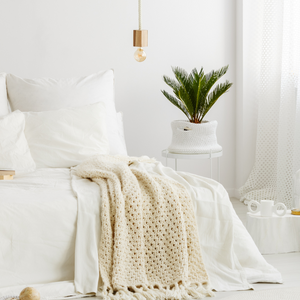
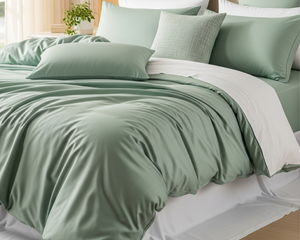
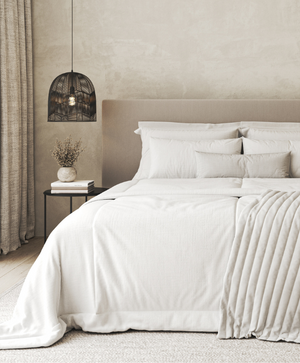
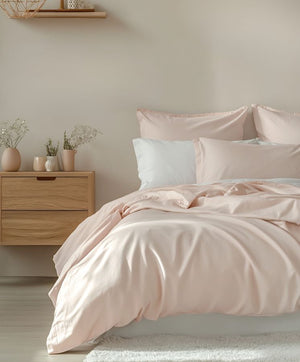
A sheet can feel remarkably soft and still leave a reasonable question unanswered: what, exactly, is against your skin for eight hours each night? If you are asking, are bamboo lyocell sheets safe, the short answer is yes - when the fabric is genuinely bamboo lyocell, responsibly manufactured, and independently tested for harmful substances.
The longer answer matters because “bamboo” has become a broad marketing label. It can describe very different fibers made through very different processes. For hot sleepers, sensitive skin, and anyone creating a cleaner bedroom environment, the distinction between bamboo lyocell and bamboo viscose is not a minor technicality. It is the difference between shopping by a pleasant-sounding fiber source and shopping by the finished material’s performance, traceability, and chemical standards.
Are Bamboo Lyocell Sheets Safe?
Bamboo lyocell sheets are generally considered a safe choice for everyday bedding, particularly when they carry a recognized textile safety certification such as OEKO-TEX STANDARD 100. That certification tests the finished textile for a range of substances that may be harmful to human health, giving shoppers a meaningful safeguard beyond a brand’s marketing language.
Safety also comes down to the manufacturing process. Lyocell is a regenerated cellulosic fiber, meaning bamboo pulp is transformed into a soft, durable textile fiber. In a modern closed-loop process, the solvent used to dissolve and spin the cellulose is largely recovered and reused. This approach is designed to minimize chemical loss and reduce the environmental burden associated with production.
That does not mean a sheet is “chemical-free” in the literal sense. Almost every textile undergoes processing, from turning plant matter into yarn to washing, dyeing, and finishing fabric. The more useful question is whether the finished sheets have been tested for harmful residues and made with a process that prioritizes controlled inputs. Premium bamboo lyocell should give you a clear answer.
Why the Fiber Label Alone Is Not Enough
Bamboo grows quickly and can be an appealing renewable resource. But the word bamboo does not tell you how its fibers were produced. This is where shoppers can accidentally compare unlike materials.
Bamboo Lyocell vs. Bamboo Viscose
Bamboo lyocell and bamboo viscose both begin with cellulose from bamboo. Their manufacturing pathways differ substantially. Traditional viscose production can rely on more intensive chemical processing, and the level of solvent recovery varies by facility. The final fabric may still feel silky and breathable, but the source material alone does not confirm a cleaner production method or a higher standard of finished-product testing.
Bamboo lyocell is prized because its process is typically more controlled, with solvent recovery built into the system. The resulting fiber has an exceptionally smooth surface and fluid drape, creating the serene cascade and cool hand feel people expect from luxury bamboo bedding. More importantly, responsible lyocell production aligns the comfort story with a more thoughtful materials story.
A label that simply says “bamboo” leaves too much unsaid. Look for a brand that identifies the fiber as bamboo lyocell, explains its manufacturing approach, and names the testing standards behind its safety claims.
Certification Is the More Useful Proof Point
For bedding that spends so much time in direct contact with your body, independent certification matters. OEKO-TEX STANDARD 100 is one of the clearest signals to look for because it evaluates textiles for harmful substances. It applies to the finished product rather than making a vague promise about the original plant.
This distinction is especially relevant for sensitive sleepers. Skin can react to many things: residual finishes, harsh detergents, fragrance, dyes, heat, or simple friction from a coarse fabric. A certification cannot guarantee that every individual will react identically, but it offers greater confidence that the sheets meet a recognized chemical safety threshold.
What Bamboo Lyocell Can Offer Sensitive Sleepers
Safety is only part of the reason bamboo lyocell earns a place in a refined sleep environment. Its physical properties can also support more comfortable nights for people prone to overheating, dampness, or irritation.
The fibers are naturally smooth, which helps create a low-friction surface that feels gentle on skin and hair. That silky finish is not merely decorative. Rough or rigid bedding can feel distracting when skin is dry, reactive, or recovering from a long day. A smooth, supple weave gives the bed a more polished feel while reducing the scratchiness associated with lower-quality fabrics.
Bamboo lyocell is also valued for moisture management. Rather than allowing perspiration to linger heavily against the body, the fabric can help move moisture away, supporting a drier sleep surface. For people who wake up warm or sleep beside a partner with a different temperature preference, that breathability can make a meaningful difference.
Temperature regulation is not magic, and no sheet can replace a well-ventilated room, breathable mattress, or appropriate duvet weight. But sheets are the first layer your body encounters. Choosing a fabric that feels cool, releases moisture, and drapes lightly can make the bed noticeably more comfortable.
A Few Caveats Worth Knowing
Even beautifully made bamboo lyocell is not automatically the right answer for everyone. If you have a diagnosed textile allergy, eczema that flares unpredictably, or a history of contact dermatitis, introduce new bedding carefully and speak with a medical professional when needed. “Hypoallergenic” is best understood as a description of a fabric’s gentle, low-irritation potential, not a medical guarantee.
Dyes and finishes deserve attention, too. White or lightly colored sheets are often preferred by shoppers who want the most minimal approach, though responsibly dyed certified bedding can also be a considered choice. What matters is transparency around the final fabric, not fear of color itself.
Finally, softness should not be the only test. Some low-cost bamboo-blend sheets achieve an initially slick feel through finishes that do not reflect the fiber’s long-term quality. True premium comfort should become more inviting with proper care, not disappear after a few washes.
How to Choose Safer Bamboo Lyocell Sheets
Start with specificity. A trustworthy product description should identify bamboo lyocell rather than relying only on “bamboo-derived” language. It should also make certification information easy to find and avoid sweeping claims that cannot be substantiated.
Then consider the whole sleep system. A high-quality sheet set will perform best when paired with a breathable comforter or duvet insert and washed with a mild detergent. Strong bleach, fabric softeners, and heavily fragranced laundry products can coat fibers, compromise their moisture-managing feel, and introduce irritants that have nothing to do with the sheets themselves.
Wash bamboo lyocell on a gentle cycle in cool water, using a mild liquid detergent. Tumble dry on low heat or air dry when possible. This helps preserve the fiber’s silky character and reduces the wear that can make any textile feel less comfortable over time. Luxury bedding is designed to be lived in, but it responds beautifully to deliberate care.
The Standard a Premium Sheet Should Meet
The safest choice is not simply the sheet with the most appealing story. It is the one that can support its story with material clarity, careful production, finished-product testing, and real sleep performance.
At Verleu, bamboo lyocell is selected for that full equation: cooling comfort, smoothness for sensitive skin, moisture management, and a more considered production approach. The goal is not to make bedding sound complicated. It is to make the details clear enough that you can rest without second-guessing what you brought into your bedroom.
A better bed begins with the layer closest to you. Choose sheets that feel exquisite, disclose what they are made of, and give your skin and sleep the considered comfort they deserve.


