

Cart
0


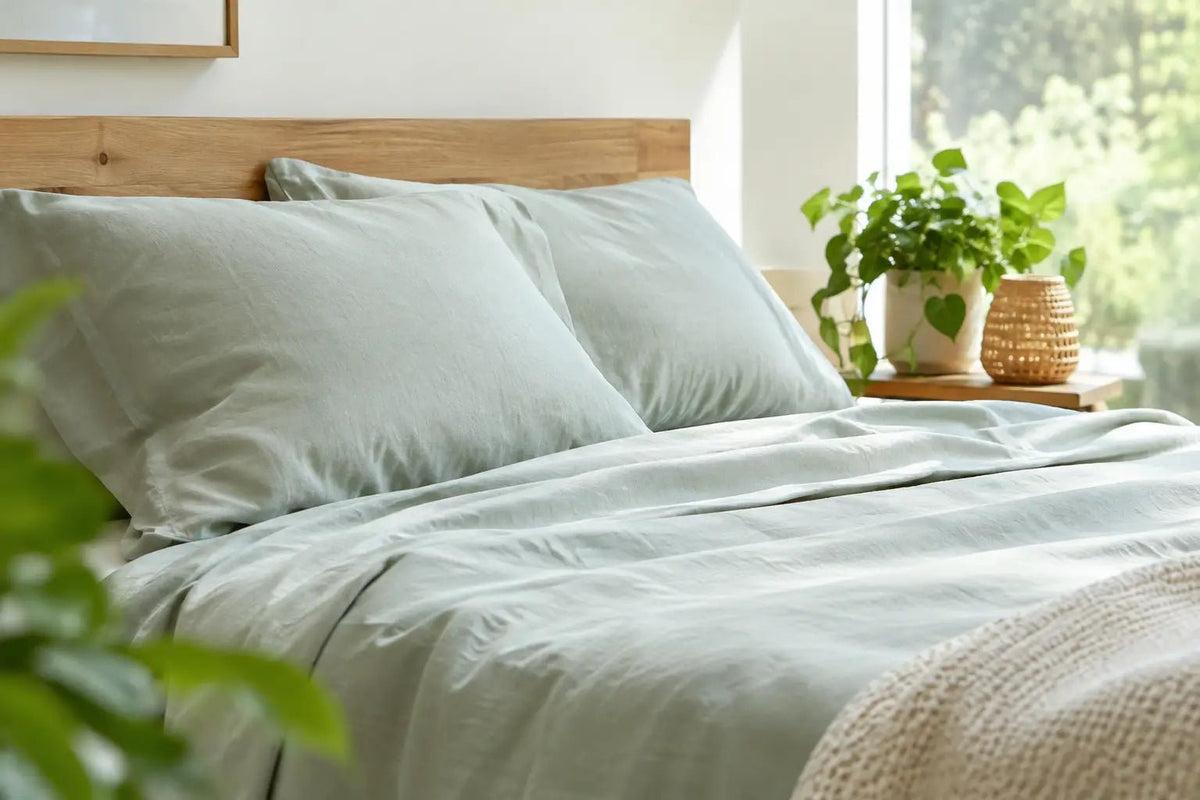
A bed can look beautifully made and still leave you overheated at 2 a.m. The best sustainable sheets should do more than carry an eco-friendly label. They should feel exceptionally soft, regulate heat and moisture, meet meaningful safety standards, and hold their comfort through years of washing.
That standard narrows the field. Sustainable bedding is not a single fabric category, and not every plant-based sheet is produced with the same level of care. The details behind the fiber, processing method, certification, and weave determine whether a set delivers the clean, restorative sleep experience it promises.
What Makes Sheets Truly Sustainable?
Sustainability begins with raw materials, but it does not end there. A fiber can come from a renewable source and still require resource-intensive processing, unclear chemical management, or a short product lifespan. Premium bedding deserves a more complete evaluation.
Look at how the fiber is grown or sourced, how it is transformed into yarn, and whether the finished fabric is tested for harmful substances. Durability matters, too. Sheets that pill, thin out, or lose their softness quickly must be replaced sooner, which undercuts the environmental benefit of any material claim.
The most credible options balance four considerations: responsibly sourced fibers, considered manufacturing, verified chemical safety, and lasting performance. For the bedroom, comfort is part of that equation. Bedding that helps you sleep cooler and wake with less irritation is not an indulgence. It is a functional upgrade to the place where you recover every night.
The Best Sustainable Sheets Start With the Fiber
Bamboo lyocell: refined performance with a lighter footprint
Bamboo lyocell is one of the strongest choices for sleepers who want a silky hand feel without sacrificing breathability. It begins with bamboo pulp, then uses a more advanced solvent-spinning process to create smooth, fine fibers. In a well-managed closed-loop process, the solvent is captured and reused rather than routinely discharged.
The result is a fabric with a fluid drape, an almost weightless touch, and impressive moisture management. Bamboo lyocell can move moisture away from the body while allowing heat to dissipate, creating a cooler, drier sleep surface for hot sleepers and warm climates. Its naturally smooth fiber structure also makes it especially appealing for sensitive skin.
Not all bamboo sheets are interchangeable. Bamboo viscose and bamboo rayon are common descriptions in the market, but they typically refer to a more chemically intensive conversion process. They can feel soft, yet the name “bamboo” alone does not tell you enough about how the fabric was made. If clean production and premium performance matter, ask specifically whether the bedding is bamboo lyocell and whether the manufacturer can explain the process clearly.
Organic cotton: familiar, breathable, and dependent on quality
Organic cotton remains a thoughtful option for those who prefer the crispness and familiar feel of natural cotton. It is grown without certain synthetic pesticides and fertilizers, and high-quality long-staple organic cotton can become softer over time.
Still, cotton has trade-offs. It generally absorbs more moisture than lyocell, which may leave hot sleepers feeling damp during the night. It can also require significant water to grow, depending on region and farming practices. Organic certification improves the story, but it is not a guarantee of low impact across every stage of production.
Linen: airy texture with a distinct feel
Made from flax, linen is durable, breathable, and naturally relaxed in appearance. It suits people who love a textured, lived-in bed and do not mind a less polished finish. Linen is often an excellent warm-weather fabric, though it is not universally soft straight out of the package and can feel too textured for sleepers with very sensitive skin.
Its strength is longevity. A well-made linen set can serve a bedroom for many years, softening with use. Its trade-off is aesthetic as much as tactile: linen wrinkles readily, which is either part of its appeal or a daily annoyance.
Certifications That Mean Something in Your Bedroom
Sustainability language should be supported by third-party standards, particularly when fabric sits against your skin for eight hours at a time. OEKO-TEX STANDARD 100 certification is one of the most useful signals to seek. It indicates that the finished textile has been tested for a range of harmful substances beyond what may be legally required.
For cotton, certifications that verify organic fiber content and responsible processing can offer additional assurance. The key is specificity. A brand should identify the certification, explain what it covers, and avoid vague phrases such as “non-toxic” or “eco-conscious” without evidence.
Certification is not a substitute for good design, but it gives shoppers a clearer foundation. When comparing premium sheet sets, consider the whole proposition: fiber origin, process transparency, finished-product testing, and how the sheets perform once they are on your bed.
Construction Determines Whether Softness Lasts
A sustainable fiber can be undermined by poor construction. Rather than choosing based on thread count alone, pay attention to the weave, finishing, and fabric weight. Extremely high thread-count claims can be misleading, particularly when brands use multi-ply yarns to inflate the number. They do not automatically produce a softer or more breathable sheet.
For silky bamboo lyocell, a sateen weave creates the luminous, serene cascade many luxury sleepers want. It feels smooth against the body and glides easily as you move. A percale weave has a lighter, crisper feel and may appeal to those who prefer the fresh structure of a boutique hotel bed.
Fit matters as well. Deep-pocket fitted sheets should stay secure without excessive elastic tension, and pillowcases should maintain their shape after laundering. These are quiet indicators of quality, yet they define whether bedding feels effortless night after night.
How to Choose the Right Set for Your Sleep Style
The right sustainable sheet is personal. Hot sleepers should prioritize moisture-wicking fibers and a breathable construction, making bamboo lyocell especially compelling. If you experience skin sensitivity, seek a smooth, certified fabric with minimal harsh finishing. If you love a crisp, tailored bed, organic cotton percale may be the better match. If relaxed texture is your signature, linen earns its place.
For couples with different temperature needs, temperature-regulating sheets can make a noticeable difference. The goal is not to trap warmth under a heavy, insulating layer. It is to create a sleep environment that responds to changing body temperature and helps moisture move away before discomfort wakes you.
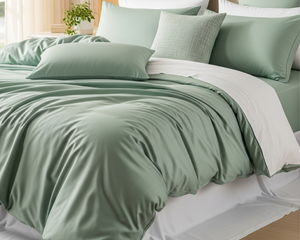
Color and finish deserve consideration, too. Timeless neutrals often keep a bedroom feeling serene across seasons, while quality dyeing and careful finishing help preserve the look of the fabric without compromising its hand feel. Sustainable luxury should never require choosing between visual restraint and everyday performance.
Caring for Sustainable Sheets Without Compromising Them
Thoughtful care extends the life of any premium sheet set. Wash in cool water with a gentle detergent, skip bleach and fabric softener, and avoid overloading the machine. Fabric softeners can coat fine fibers and reduce their natural breathability and moisture-wicking performance.
Low-heat drying or air drying is gentler on fibers and elastic. Remove sheets promptly to reduce wrinkling, then store them in a dry, well-ventilated space. With bamboo lyocell, a little care preserves the supple finish that makes getting into bed feel like a genuine reset.
Verleu’s bamboo lyocell bedding is designed around this standard: elevated softness, temperature-regulating performance, and OEKO-TEX certified material safety in a fabric made for the rituals of better rest.
The best choice is the set you will look forward to slipping into, wash after wash, because a more considered bedroom should make every evening feel quieter, cooler, and entirely your own.


