

Cart
0



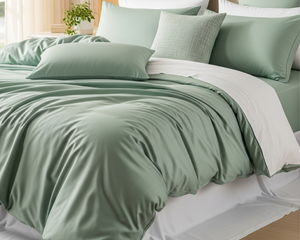
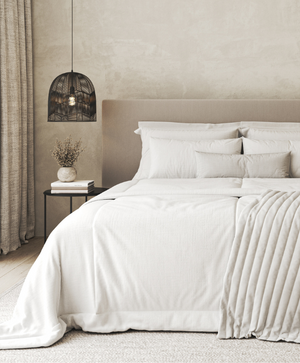
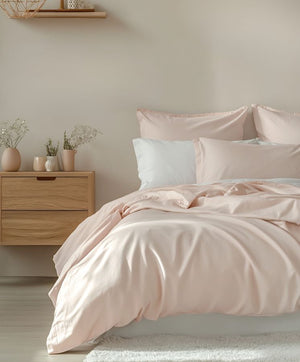
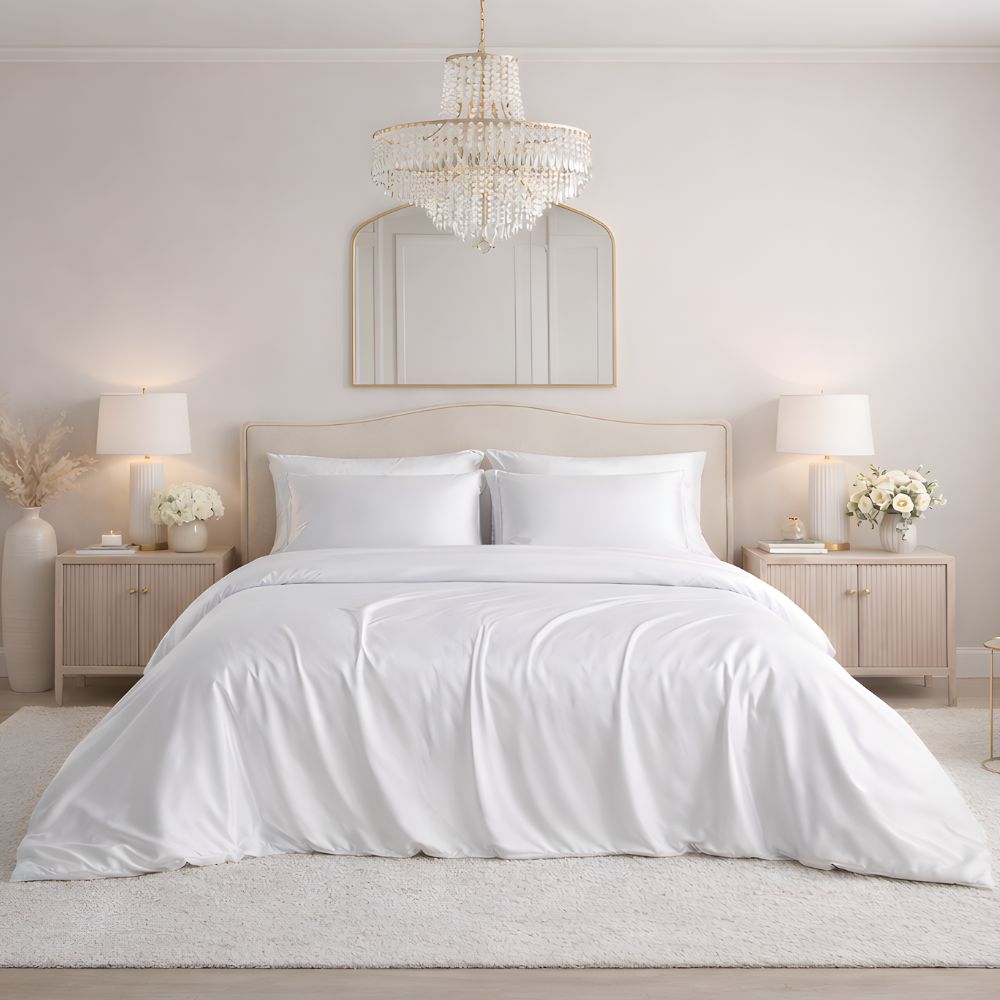
A bed can look impeccably made at 8 a.m. and still feel too warm, scratchy, or strangely heavy by 2 a.m. The difference often comes down to the layer closest to your body: the duvet cover. More than a finishing touch, duvet covers determine how your comforter breathes, how easily your bedding can be cleaned, and whether your bedroom feels like a place designed for real restoration.
For hot sleepers, people with sensitive skin, and anyone who expects more from premium bedding, the right cover is not merely decorative. It is a performance layer - one that should feel beautifully soft while helping create a cooler, cleaner, more composed sleep environment.
What a Duvet Cover Actually Does
A duvet cover is a removable fabric shell that encloses a duvet insert or comforter. It typically closes with buttons, a zipper, or ties and often includes interior corner ties to keep the insert from shifting overnight. Think of it as the tailored outer layer of your comforter: it protects the fill while setting the look and feel of the bed.
Its most practical advantage is washability. Rather than laundering a bulky comforter as often as you wash your sheets, you can remove and clean the cover regularly. This helps maintain a fresher sleep surface, especially if you sweat at night, share a bed with pets, or manage sensitive skin.
There is also a comfort benefit. The same insert can feel crisp and airy in one fabric, dense and warm in another, or remarkably smooth in a more refined fiber. Your comforter supplies loft and insulation. Your duvet cover controls much of the tactile experience.
Why Fabric Matters More Than Thread Count
Thread count has long been used as shorthand for luxury, but it is an incomplete measure. Fiber quality, yarn construction, weave, finishing, and breathability matter just as much - often more. A high thread count cannot compensate for fibers that trap heat, feel stiff, or lose their finish after repeated washing.
Cotton: Familiar, With Meaningful Variation
Cotton duvet covers can be breathable and durable, particularly when made with long-staple cotton. Percale cotton has a matte, crisp feel and tends to sleep cooler, while sateen feels smoother and slightly warmer because of its weave. Both can be excellent choices, but the experience varies significantly by construction.
Cotton also absorbs moisture, which can be helpful, but it may hold onto that moisture longer than fibers designed to move it away efficiently. For someone who wakes overheated, damp, or tangled in bedding, familiarity alone may not deliver the desired result.
Linen: Textural and Naturally Airy
Linen has a relaxed, lived-in character and strong breathability. It is especially appealing in warm climates or rooms with an organic, understated design point of view. The trade-off is texture. Linen often begins with a more structured hand feel and can wrinkle easily, even when it softens over time.
If your definition of luxury is casual texture and visual ease, linen may be right for you. If you want a silky drape against bare skin from the first night, another material may suit your sleep style better.
Bamboo Lyocell: Cooling Comfort With a Polished Finish
Bamboo lyocell offers a distinctly elevated combination of softness, moisture management, and temperature regulation. Its smooth fibers create a fluid, serene cascade over the bed while reducing the abrasive feel that can bother sensitive skin. It is naturally breathable, helping heat and humidity move away from the body rather than lingering beneath the covers.
Not all bamboo bedding is the same. Bamboo viscose and bamboo rayon are commonly used terms, yet their manufacturing processes can involve more intensive chemical treatments. Bamboo lyocell is produced through a more controlled closed-loop process designed to recover and reuse much of the processing solution. For shoppers who care about material transparency, that distinction matters.
A well-made bamboo lyocell duvet cover can feel cool to the touch without feeling thin, and luxuriously smooth without the slippery finish some synthetic fabrics create. Look for credible third-party standards, such as OEKO-TEX certification, when chemical safety is part of your bedding criteria.
Choosing the Right Duvet Cover Size and Fit
A beautiful duvet cover should fit its insert with intention. Too small, and the insert bunches at the corners or creates an overstuffed, rigid appearance. Too large, and the fill migrates, leaving empty areas that interrupt warmth and symmetry.
Start with the dimensions of your duvet insert rather than the mattress size listed on the packaging. A queen insert from one brand may differ by several inches from another. Compare the cover's finished dimensions to the insert, and choose a close match. A small amount of extra room is normal, but a dramatic size mismatch will be noticeable both visually and physically.
Interior ties are worth prioritizing. They anchor the insert at each corner, reducing the nightly ritual of shaking, pulling, and redistributing fill. A concealed closure also creates a more tailored presentation, though buttons can offer a classic, tactile detail. The better option depends on your preference, provided the closure is secure and the construction is clean.
For a fuller hotel-style bed, some sleepers intentionally pair an oversized insert with a standard cover. This can create generous loft, but it may reduce airflow and make the bed feel warmer. If you sleep hot, aim for balanced fullness rather than maximum volume.
How to Build a Bed That Sleeps Cooler
A cooling bedroom is not created by one product alone. It is a system of layers, and each layer should support rather than counteract the next. A breathable duvet cover paired with an overly insulating insert may still trap too much heat. Conversely, a lightweight insert under a non-breathable cover can feel clammy by morning.
Choose your insert based on your room temperature, personal sleep patterns, and whether you share a bed with someone who runs warmer or cooler. Then choose a cover that encourages airflow and handles moisture well. Bamboo lyocell is particularly well suited to this role because it offers a cool, smooth surface without requiring you to sacrifice the enveloping comfort of a duvet.
Color also affects the atmosphere of the room, though not the fabric's performance. Soft neutrals can make the bed feel quieter and more restorative, while deeper shades add definition and drama. In either case, a subtle sheen and graceful drape tend to make a bedroom look considered without becoming overly formal.
Care That Protects the Feel of Premium Bedding
The most luxurious duvet cover should become part of a realistic routine, not a high-maintenance obligation. Wash it regularly according to its care label, generally every one to two weeks for most households. Use cold water and a gentle cycle to preserve fibers, color, and softness.
Avoid harsh bleach, fabric softeners, and overloaded wash cycles. Fabric softeners can leave a coating that compromises breathability and moisture-wicking performance, while excessive heat can shorten the life of delicate fibers. A low-heat tumble dry or air drying approach is usually the more thoughtful choice.
Turn the cover inside out before washing and fasten its closure. This protects the visible surface and prevents tangling. If the fabric benefits from it, remove it from the dryer while slightly damp and smooth it onto the bed. The result is a more polished finish with less effort than aggressive ironing.
A Better Standard for the Layer You Sleep Under
Duvet covers are often purchased last, after the mattress, sheets, pillows, and comforter. In practice, they deserve earlier consideration. They influence the temperature, softness, appearance, and upkeep of the bed every single night.
The right choice is personal. A crisp cotton percale cover may suit someone who loves an airy, structured feel. Linen may appeal to those drawn to natural texture. But for sleepers seeking cooling performance, exceptional softness, and a cleaner material story, bamboo lyocell offers a compelling standard. Verleu approaches this essential layer accordingly: as an invitation to sleep like you deserve to, with comfort that looks refined and performs with purpose.
Choose the cover that makes you want to get into bed a little earlier - then let its quiet comfort do the rest.


