

Cart
0


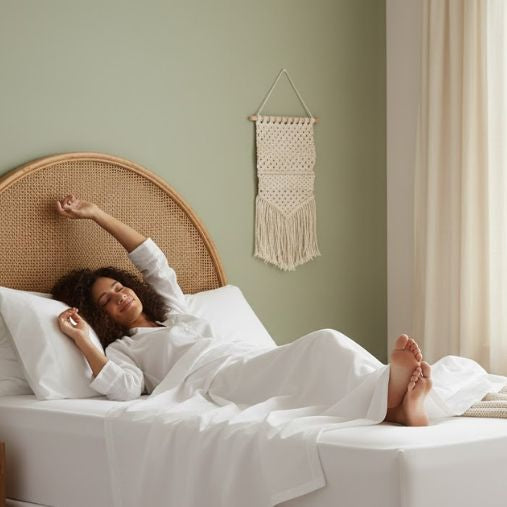
If you have ever bought bamboo sheets expecting cool, silky, skin-friendly sleep, only to wonder why one set felt exceptional and another felt merely fine, the answer often comes down to fiber processing. In the conversation around bamboo lyocell vs bamboo viscose, the difference is not cosmetic. It affects how the fabric feels against your skin, how it handles heat and moisture, and how clean the production process really is.
That matters when your bedding is in contact with your body for eight hours a night. For hot sleepers, people with sensitive skin, and anyone investing in premium comfort, the label should tell you more than a marketing story. It should tell you what kind of sleep experience you are actually bringing home.
Bamboo lyocell vs bamboo viscose: what changes?
Both bamboo lyocell and bamboo viscose begin with bamboo pulp. That is where the similarity ends. The major difference lies in how that pulp is turned into fiber.
Bamboo viscose is typically made through a more conventional chemical process that dissolves the bamboo pulp and regenerates it into fiber. It can produce a soft, smooth fabric, which is why it became popular in bedding and apparel. But the process is generally more chemically intensive, and depending on the manufacturer, solvent recovery and environmental controls can vary widely.
Bamboo lyocell is made using a more advanced closed-loop method designed to recover and reuse the solvent involved in production. In practical terms, this means the manufacturing system is engineered to be cleaner, more controlled, and more efficient. For shoppers who care about what touches their skin and what happens behind the label, that distinction is not minor. It is often the point.
The easiest way to think about it is this: both can feel soft, but only one is built on a process designed to reduce unnecessary chemical waste while preserving high-end performance.
Why the process matters in bedding
A sheet set is not judged in a laboratory. It is judged at 2 a.m. when the room feels warm, your skin is sensitive, and you want your bed to help rather than interfere.
That is why material processing matters so much. Fibers influence how fabric absorbs and releases moisture, how smooth it feels across the skin, and how well it holds up after repeated washing. Better processing usually leads to more consistent performance, especially in premium bedding where softness alone is not enough.
Bamboo lyocell is often favored by luxury bedding brands because it combines a fluid, drapey hand feel with noticeable breathability and moisture management. The fabric tends to feel refined rather than slippery, cool rather than cold, and smooth without the synthetic shine some lower-quality alternatives can develop.
Bamboo viscose can still be soft and comfortable. But quality is often less predictable because the category is broad. One viscose sheet set may feel lovely at first and lose some of its appeal over time, while another may perform better. That inconsistency is part of the challenge for shoppers trying to compare products fairly.
Softness, cooling, and comfort
When people shop for bamboo bedding, they are usually chasing three things: softness, cooler sleep, and a cleaner feel on the skin. Both lyocell and viscose can deliver softness. The question is how that softness shows up over time.
Bamboo lyocell typically has a smoother, more elevated hand feel with a graceful drape that reads premium immediately. It tends to move well, resist that stiff dry feeling some fabrics develop after laundering, and maintain a polished softness that feels intentional rather than overprocessed.
Cooling is more nuanced. No fabric can lower your body temperature on its own, but some fabrics manage heat and humidity better than others. Bamboo lyocell is particularly valued for its moisture-wicking and breathable structure, which helps reduce that trapped, clammy feeling hot sleepers know too well. Instead of holding onto moisture, it works to move it away from the body more effectively.
Bamboo viscose may also feel cool at first touch, especially in a smooth sateen weave. But cooling performance depends heavily on yarn quality, fabric construction, and finishing. In other words, a viscose label alone does not guarantee the sleep environment you want.
Skin sensitivity and chemical concerns
This is where the difference becomes more personal.
If you have sensitive skin, allergies, or simply a low tolerance for heavily treated textiles, the production method matters beyond sustainability talking points. Bedding is intimate. It wraps around your face, neck, and body night after night.
Because bamboo lyocell is associated with a more controlled closed-loop process, it is often the stronger choice for shoppers looking for a cleaner material story. That does not mean every lyocell product is automatically superior or every viscose product is unsafe. It means the manufacturing framework behind lyocell is generally better aligned with reduced chemical exposure and higher transparency.
Certifications also matter here. A well-made bamboo lyocell product with standards such as OEKO-TEX certification offers more confidence that the finished fabric has been tested for harmful substances. For wellness-minded shoppers, that reassurance is part of the value, not an afterthought.
Sustainability without the greenwashing
Bamboo is often marketed as sustainable simply because bamboo grows quickly. That is only part of the picture.
The raw plant may be renewable, but sustainability is determined just as much by how the material is processed, dyed, finished, and transported. This is where many “bamboo” claims become too vague to be useful.
In the bamboo lyocell vs bamboo viscose comparison, lyocell typically has the stronger environmental case because the production system is designed to recycle solvent and reduce waste. That makes it a more responsible option for consumers who want luxury without turning away from environmental impact.
Conventional viscose production can still vary by manufacturer, but it has historically faced more scrutiny for chemical use and emissions. So if sustainability is one of your reasons for choosing bamboo bedding in the first place, it makes sense to look past the word bamboo and ask which bamboo fiber you are actually buying.
Durability and long-term value
Premium bedding should earn its place over time. It should still feel inviting after months of use, repeated washing, and real life.
Bamboo lyocell often performs well here because the fiber structure and finishing can support a smoother, more resilient fabric. The sheets tend to retain their softness and elegant drape with less of the pilling, dullness, or fatigue that can make bedding feel older than it is.
Bamboo viscose can be beautiful out of the package, but durability is more dependent on manufacturing quality. Some products hold up well. Others begin to show wear faster, especially when lower-grade fibers or aggressive finishing techniques are involved. That can make an initially less expensive set feel costlier in the long run.
For shoppers furnishing a bedroom with intention, long-term value matters more than sticker price alone. Bedding that supports better sleep and keeps its character is part of the investment.
Which one should you choose?
If your main priority is simply getting a soft bamboo fabric at a lower price, bamboo viscose may still appeal to you. There are decent options on the market, and not every shopper needs the highest level of material refinement.
But if you care about premium feel, cooler sleep, cleaner processing, and a more credible sustainability profile, bamboo lyocell is the stronger choice. It offers the kind of performance that aligns with what most people are actually hoping for when they upgrade their bedding: less overheating, less irritation, and a more elevated sleep environment.
That is why brands focused on sleep performance and material integrity increasingly center lyocell rather than relying on generic bamboo claims. At Verleu, that distinction is foundational because luxury bedding should do more than look beautiful on the bed. It should contribute to how you rest, recover, and feel when the day begins.
The label is only the start
The smartest bedding shoppers are no longer asking whether bamboo is good. They are asking what kind of bamboo fiber they are sleeping on, how it was made, and whether the performance matches the promise.
That is the real takeaway in bamboo lyocell vs bamboo viscose. Both may sit in the same aisle, but they do not represent the same standard. If you want bedding that feels serene, performs night after night, and reflects a more thoughtful material choice, the details behind the label are worth your attention.
When your bed is where you recover, reset, and sleep like you deserve to, the finer distinction becomes the one that changes everything.


