

Cart
0



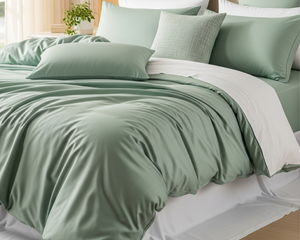
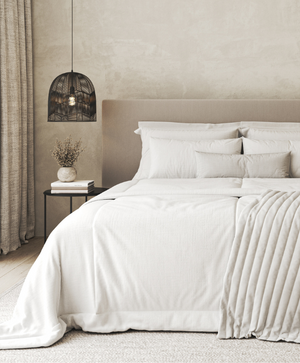
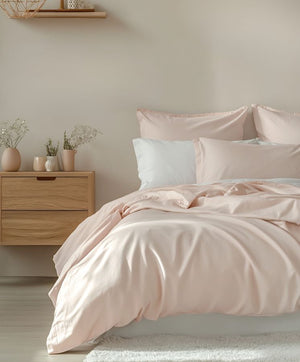

A chemical-free sheets review should begin with one honest clarification: no finished textile is literally made without chemistry. Fibers are grown, cleaned, spun, dyed, woven, washed, and packaged. What discerning shoppers should look for instead is bedding made with safer inputs, responsibly managed processing, and meaningful third-party testing for harmful substances.
That distinction matters when your sheets touch your skin for seven or eight hours at a time. For hot sleepers, people with sensitive skin, and anyone upgrading the bedroom into a more restorative space, “clean” should mean more than a soft hand feel and a reassuring label. It should describe the material, the manufacturing process, and the standards behind the finished fabric.
What “Chemical-Free” Should Mean in Sheets
The phrase is appealing because it speaks to a legitimate concern: many people want fewer questionable finishes, irritating residues, and vague material claims in the products closest to their bodies. Yet it is not a regulated promise with one universal definition. A brand can use it broadly while providing very little detail about dyes, finishes, testing, or fiber conversion.
A stronger standard is bedding that is tested for harmful substances and made without intentionally added treatments that are unnecessary for comfort. Look for clear disclosure around certifications, especially OEKO-TEX Standard 100. This certification evaluates the finished textile for a long list of substances that may be harmful to human health. It is a meaningful trust marker because it assesses the item you actually bring into your home, not only the raw fiber before it is processed.
Certification is not a substitute for asking better questions. It does not mean a sheet has never encountered a processing agent, and it does not automatically make every environmental claim equal. It does mean the product has been tested against defined limits, which is far more useful than a label that simply says “natural” or “non-toxic” without evidence.
Chemical-Free Sheets Review: The Material Matters
The fabric itself shapes both performance and the credibility of a clean-bedding claim. Cotton, linen, bamboo-derived fabrics, TENCEL lyocell, and synthetic blends all have different production pathways and different sleep characteristics. The right choice depends on whether your priority is crispness, breathability, silky drape, ease of care, or a particularly cool sleep surface.
Bamboo lyocell versus bamboo viscose
This is where many bedding comparisons become less clear than they should be. Bamboo is not a finished bedding fabric by itself. It must be transformed into a usable fiber. How that transformation happens is central to the final product.
Bamboo viscose is commonly made through a chemically intensive regeneration process. The resulting fabric can feel exceptionally soft, but “bamboo” on the package does not tell you enough about how the fiber was produced. The process, solvent management, and finished-fabric testing all deserve scrutiny.
Bamboo lyocell is made using a different fiber-production method, typically designed around a closed-loop solvent system that recovers and reuses much of the processing solution. This does not make lyocell chemistry-free. It does, however, make it a more considered option for shoppers who want a high-performance cellulosic fiber with a cleaner production profile than conventional bamboo viscose.
For the bed, bamboo lyocell also earns attention on feel. Its surface is smooth, fluid, and cool to the touch, with a refined drape that feels less like traditional cotton and more like a serene cascade over the mattress. That smoothness can be especially welcome for sensitive skin, while its moisture-wicking nature helps reduce the clammy feeling that can interrupt sleep.
Cotton still has a place
Quality cotton sheets remain a classic for good reason. Long-staple cotton can be breathable, durable, and beautifully soft over time. Percale offers an airy, crisp feel, while sateen creates a warmer, more polished finish. For sleepers who prefer structure and the familiar feel of hotel bedding, cotton can be the right answer.
The trade-off is that cotton's cooling performance varies significantly by weave, weight, and finish. Some cotton sheets feel crisp but dry; others are soft but hold more warmth. Organic certification can address how the cotton was grown, but it does not by itself explain every stage of dyeing, finishing, and final-product testing. A thoughtful review looks beyond one material label.
Cooling Performance Is Part of a Cleaner Sleep Experience
Clean bedding should not ask you to compromise on comfort. A beautifully certified sheet that traps heat or feels rough after repeated washing will not improve your sleep environment. This is why performance belongs in any credible chemical-free sheets review.
Bamboo lyocell is particularly compelling for warm sleepers because it manages moisture efficiently and feels naturally cool against the skin. Rather than relying on a slick synthetic finish to create a cooling sensation, a well-made lyocell sheet uses the properties of its fiber structure to move moisture away from the body. The result is a drier, more balanced sleep surface through the night.
That benefit is not identical for every person. If your bedroom is consistently cold or you prefer a crisp, matte sheet, a heavyweight cotton percale may feel more satisfying. If you wake up warm, share a bed with a heat-generating partner, or dislike the damp feeling of overheated bedding, a smooth lyocell construction is often the more luxurious choice.
Details That Separate a Strong Sheet Set From a Marketing Claim
Beyond certification and fiber type, the finishing details reveal whether a sheet set is designed for daily use. Premium bedding should retain its softness without heavy coatings, fit the mattress securely, and maintain a polished appearance after washing. Pay attention to the information a brand is willing to provide rather than the number of superlatives on the package.
Consider the quality of the weave and construction, the depth of the fitted sheet, the care guidance, and whether the brand identifies its testing standard by name. Be cautious with sweeping phrases such as “eco-friendly,” “pure,” or “green” when they are not paired with a specific certification or material explanation. Transparency is a luxury in its own right.
Color deserves consideration as well. Dyeing is part of textile manufacturing, even with elevated, understated palettes. Responsible brands should be able to explain that their finished fabrics are tested for harmful substances rather than implying that undyed or pale-colored sheets are automatically cleaner. White sheets can be treated; richly colored sheets can be responsibly produced. The standard is evidence, not aesthetics.
How to Evaluate the Price of Premium Bedding
A premium sheet set costs more than a mass-market alternative because the price should reflect fiber quality, responsible processing, careful construction, and a product meant to last beyond a few wash cycles. But a higher price is not proof on its own. The value comes from the combination of documented safety standards and measurable sleep performance.
For many households, it makes sense to invest first in the sheets used every night. They are the layer closest to your body, and their temperature regulation can affect how often you wake, shift, or throw back the covers. A better sheet set is not a cure for every sleep problem, but it can remove a common source of discomfort.
Verleu's Héritage collection is designed around this balance: premium bamboo lyocell bedding with cooling comfort, moisture management, and OEKO-TEX-certified material standards. The goal is not to make vague purity claims. It is to create a sleep surface that feels elevated, performs consistently, and supports a bedroom with fewer compromises.
The Verdict: Look for Proof, Not Perfect Language
The best chemical-free sheets are not the ones with the boldest “clean” promise. They are the ones that explain what their fibers are, how they are processed, what has been tested, and why the fabric will feel better night after night. Bamboo lyocell stands out when cooling, silky softness, and a more intentional production approach are priorities, while high-quality cotton remains a strong option for those who love a classic hand feel.
Choose the sheet that makes your room feel calmer and your sleep feel less negotiated. When a brand can support its claims with material clarity and credible testing, you can settle into premium comfort with confidence - and sleep like you deserve to.


