

Cart
0



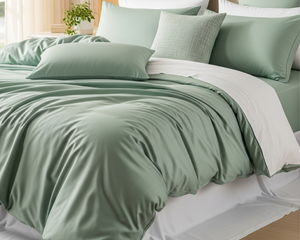
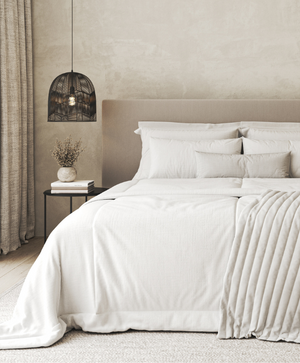
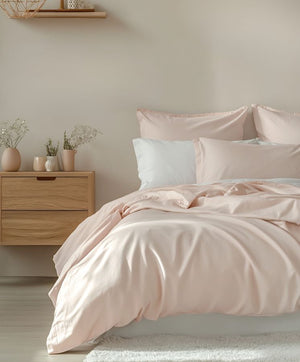
A warm bedroom is one thing. Waking at 2 a.m. tangled in damp sheets, flipping the pillow to find a cool corner, is another. The right hot sleeper bedding does more than feel cool for the first few minutes of the night. It helps manage the heat and moisture your body naturally releases while you sleep, so your bed can remain dry, smooth, and composed through morning.
For many adults, overheating is not solved by turning down the thermostat alone. It is a bedding-system issue: a dense fitted sheet traps warmth, a lofty comforter holds it close, and a pillowcase leaves the face feeling humid. Better sleep begins by choosing each layer for how it performs under real conditions, not only how it looks on the bed.
What Hot Sleeper Bedding Needs to Do
Cooling is often treated as a single feature, but it is really the result of several material behaviors working together. A fabric can feel slick and cool at first touch yet become uncomfortable once moisture enters the equation. Another can breathe reasonably well but retain enough humidity to leave the bed feeling clammy.
The most effective bedding for hot sleepers supports four things: airflow, moisture management, a light hand against the skin, and a layer weight that suits the room. Airflow allows excess warmth to disperse rather than collect beneath the covers. Moisture-wicking fibers pull perspiration away from the body, while fabrics that dry efficiently reduce the sticky feeling that can interrupt sleep.
Texture matters as much as temperature. Rough or stiff fabric can feel more irritating when skin is warm, especially for people prone to sensitivity. A smoother weave creates less friction at the surface, which is one reason premium bedding can make a meaningful difference even before the thermostat changes.
Start With the Sheet Fabric
Sheets sit closest to your body for eight hours or more. If they hold heat or stay damp, the rest of your bedding has little chance of compensating. For hot sleepers, fiber quality and construction deserve more attention than a high thread-count number on the package.
Bamboo Lyocell Offers a More Considered Balance
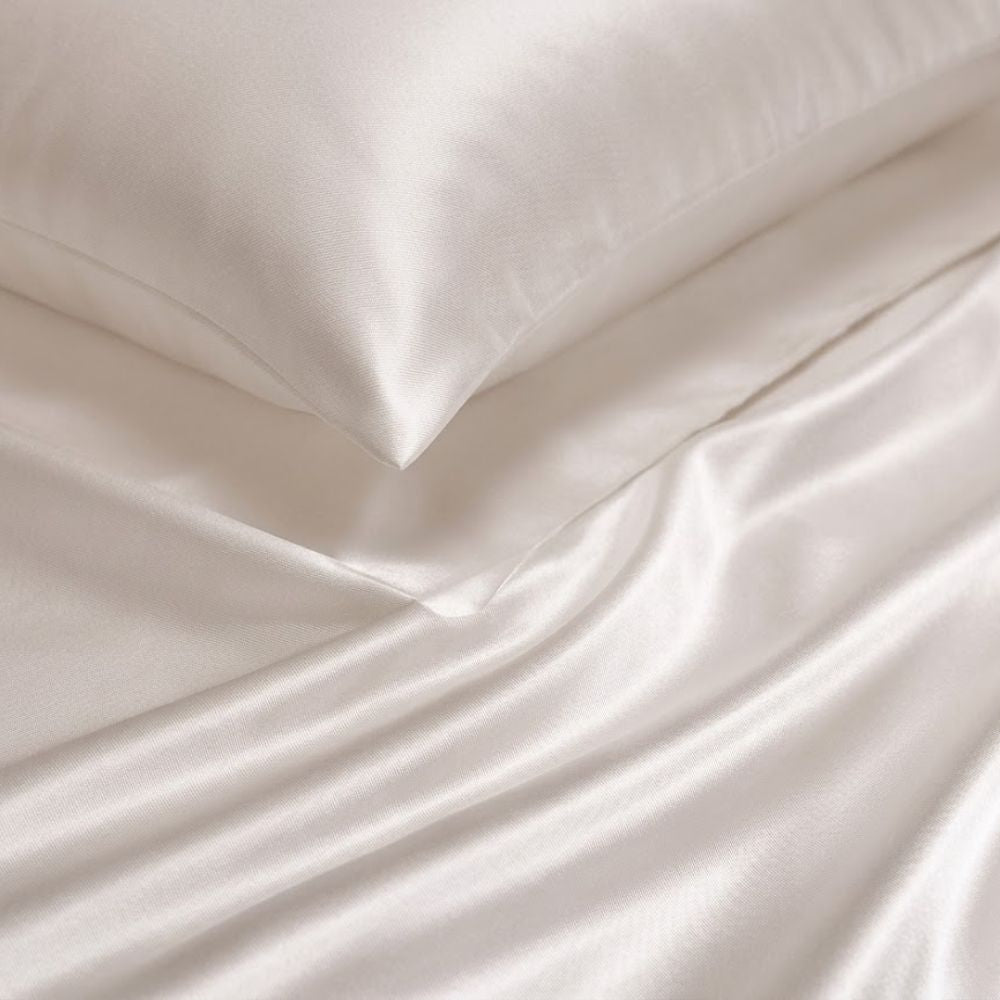
Bamboo lyocell is valued for its exceptionally soft, fluid feel and its ability to help regulate moisture and temperature. The fibers are designed to manage humidity efficiently, helping the sleep surface feel fresher when body heat rises. Its smooth finish is also well suited to sensitive skin, where softness is a comfort feature rather than a cosmetic one.
Not all bamboo bedding is equivalent. Bamboo viscose and bamboo lyocell are often grouped together in broad marketing language, but the manufacturing processes differ. Shoppers who care about cleaner materials should look past the word “bamboo” and ask how the fiber was made, what certifications apply to the finished product, and whether a brand explains its material choices with precision.
Verleu’s Héritage collection is made with premium bamboo lyocell because luxury should be felt in the drape of the fabric and measured in nightly performance. A sheet set should offer a serene cascade across the mattress, but it should also help create a more breathable, moisture-managed sleep environment.
Cotton Can Work, With the Right Expectations
Cotton is familiar, durable, and broadly available. Crisp percale cotton tends to be more breathable than dense sateen, making it a reasonable choice for sleepers who prefer a traditional, airy hand. Still, cotton can absorb moisture and may take longer to dry than performance-oriented cellulosic fibers.
That does not make cotton a poor choice. It simply means its comfort depends more heavily on weave, room humidity, and the warmth of the layers above it. If you wake sweaty rather than merely warm, a more moisture-responsive material may be worth the upgrade.
Be Selective With Synthetic Fabrics
Polyester and microfiber sheets can feel soft and are often easy to care for, but they may retain heat and odor more readily than natural or regenerated cellulosic fibers. They can be suitable for a guest room or a limited budget, yet they are rarely the first choice for someone dealing with frequent night sweats.
The exception is specialized performance bedding engineered for breathability and moisture transport. Here, the details matter. Avoid assuming every technical-sounding fabric is cooling simply because it is synthetic.
Your Comforter Is Often the Real Heat Trap
A hot sleeper may invest in cooling sheets, then cover them with an overly warm comforter. The result is a beautifully made bed that still sleeps like an insulated chamber. Consider the comforter and duvet cover as seriously as the sheets.
A lightweight comforter is often the strongest year-round starting point for warm sleepers, particularly in homes kept above 68 degrees or for couples with different temperature needs. It provides visual fullness and familiar comfort without excessive fill. In a very cool room, a medium-weight option can work, but it should not rely solely on bulk to feel luxurious.
Fill type influences the experience. Down can be light and insulating, but its warmth level varies significantly by fill weight and construction. Alternative fills offer a range of options, though some can feel less breathable if densely packed. A well-designed bamboo lyocell comforter can offer a softer, more temperature-conscious layer for sleepers seeking premium comfort without the heaviness of traditional winter bedding.
If you use a duvet, choose a cover that supports the same cooling goal. A breathable duvet insert inside a heat-retaining cover will not perform as intended. Match the cover fabric to your sheets whenever possible, especially if you prefer a cohesive, cooler feel against the body.
Build a Cooler Bed Layer by Layer
A comfortable sleep environment is not about stripping the bed to its bare minimum. It is about giving your body a way to release heat without sacrificing the restorative feeling of being tucked in.
Begin with a breathable mattress protector. Waterproof protectors are useful, but dense plastic-like barriers can restrict airflow and cause the mattress surface to feel warmer. Look for protection designed to be breathable, especially if your mattress already retains heat.
Next, use fitted and flat sheets that move moisture efficiently. Add a lightweight comforter, then keep a folded throw nearby rather than sleeping under a heavier layer all night. This gives you an easy adjustment when the temperature dips before dawn. Couples can also use separate lightweight comforters, a practical solution that avoids the nightly compromise between one person who runs warm and one who sleeps cool.
Your pillow deserves the same attention. The face and neck release considerable heat, and a dense pillow paired with a non-breathable case can feel oppressive. A smooth, moisture-managing pillowcase helps, while a pillow with a breathable fill or ventilated construction can further reduce heat buildup.
Small Habits That Protect Cooling Performance
Even premium bedding needs the right care to stay soft, clean, and effective. Wash sheets regularly, particularly during warmer months or if you sweat at night. Body oils, skincare residue, and detergent buildup can change the way fabric feels against the skin.
Use a gentle detergent and avoid overusing fabric softener. Softeners can leave a coating on fibers, which may diminish absorbency and leave bedding less fresh over time. Moderate wash temperatures and low-heat drying are generally kinder to fine fibers than aggressive heat. Remove bedding promptly from the dryer or line dry when practical to preserve its smooth finish.
Bedroom conditions matter, too. A fan improves air circulation, but it cannot fully overcome a heat-trapping sleep system. Keep sleepwear light, choose breathable pajamas if you wear them, and reserve heavy blankets for truly cold nights. The goal is not to make the room icy. It is to give your body enough thermal flexibility to settle into sleep and stay there.
When Cooling Bedding May Not Be Enough
If night sweats are new, severe, or consistently disrupt your rest, bedding is a comfort intervention, not a medical answer. Hormonal changes, medications, stress, alcohol, illness, and other factors can affect nighttime temperature. Consider speaking with a healthcare professional if symptoms are persistent or concerning.
For everyday overheating, however, your bed is an excellent place to make a meaningful change. Choose materials that are transparent about their construction, gentle enough for close contact with skin, and engineered to manage the realities of human sleep. The best hot sleeper bedding does not promise an artificially cold bed. It creates a calmer, drier, lighter place to sleep like you deserve to.


