

Cart
0



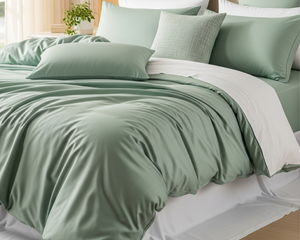
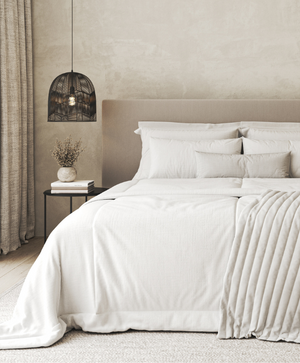
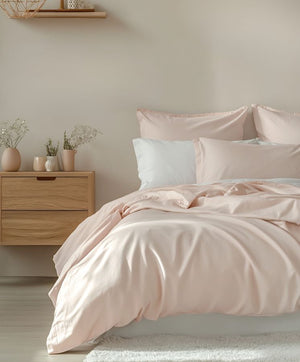
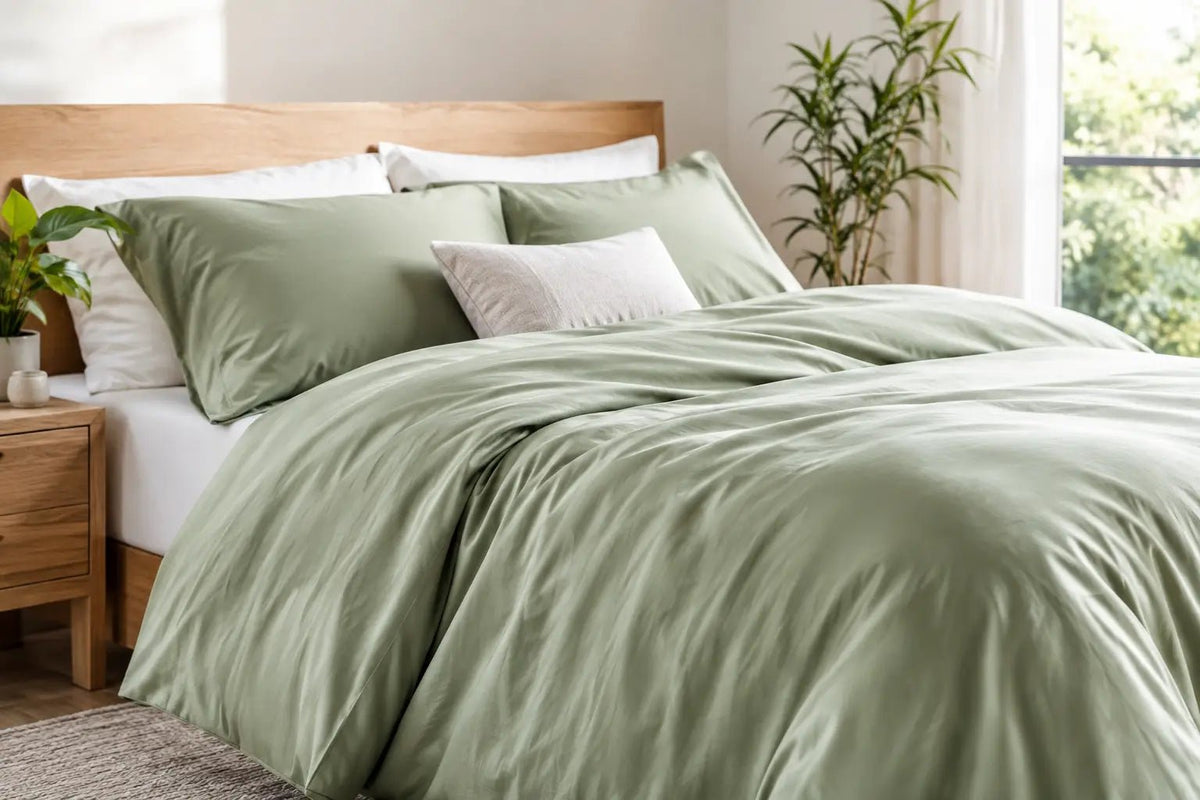
A duvet cover is the layer you feel most often - and the layer that can make a beautifully made bed feel stifling by midnight. This guide to bamboo duvet covers is designed for sleepers who want more than an attractive top layer: they want a cooler, cleaner, exceptionally soft sleep environment that performs night after night.
For hot sleepers, people with sensitive skin, and anyone refining their bedroom into a true retreat, bamboo bedding can be a meaningful upgrade. But not every product labeled “bamboo” is made the same way. The fiber, weave, finish, and construction all shape how a duvet cover feels, breathes, washes, and wears.
What a Bamboo Duvet Cover Actually Does
A duvet cover protects your insert while defining the tactile experience of your bed. Think of it as the tailored outer layer for your comforter or duvet insert: it adds color and texture, makes laundering simpler, and lets you adjust your bedding through the seasons without replacing the entire fill.
The right cover also helps manage the microclimate around your body. When you sleep warm, heat and moisture can collect between your skin, sleepwear, sheets, and comforter. A breathable duvet cover helps that moisture move away rather than trapping it against you. This is why material matters as much as thread count or color.
Bamboo lyocell is especially valued for its smooth handfeel and moisture-management potential. The fibers create fabric that feels cool and refined against the skin, with a fluid drape that gives the bed a serene cascade rather than a stiff, overly crisp finish. Paired with a duvet insert suited to your warmth needs, it can help create a more balanced sleep surface.
The Guide to Bamboo Duvet Covers Starts With Fiber
“Bamboo” is not a complete material description. It tells you where the cellulose began, not necessarily how it was transformed into fiber. For shoppers who care about skin comfort, material transparency, and environmental responsibility, this distinction deserves attention.
Bamboo Lyocell vs. Bamboo Viscose
Bamboo viscose and bamboo rayon are commonly used names for regenerated cellulose fibers produced through a more chemically intensive process. They can feel soft, but the label alone does not communicate the full manufacturing story, the quality of the finished fabric, or the standards behind it.
Bamboo lyocell is also derived from bamboo cellulose, but it is made through a different process, typically using a closed-loop solvent system that recaptures and reuses much of the processing solution. This approach is widely regarded as a more considered choice than conventional viscose production. It aligns more closely with what many premium bedding shoppers expect: elevated comfort with greater material accountability.
That does not mean every bamboo lyocell duvet cover will feel identical. Fiber quality, yarn construction, weave density, dyeing, and finishing determine whether a cover remains smooth and luxurious after repeated washes or becomes thin, rough, or prone to pilling. Premium comfort is built through the complete textile process, not one word on a package.
Why the Weave Changes the Experience
Most luxury bamboo duvet covers use a sateen weave. Sateen places more yarn on the fabric’s surface, creating a subtle luster and a silk-like glide. It is an ideal choice for those who dislike the dry, crisp sensation of traditional percale or the heavy cling of some synthetic fabrics.
A sateen bamboo lyocell cover tends to drape elegantly over the bed and move softly when you shift underneath it. Because the fabric is naturally smooth, it can be particularly appealing for sensitive skin and for sleepers who prefer less friction against their body and hair.
The trade-off is that sateen benefits from thoughtful care. It will not have the rumpled, casual look of linen, and it should not be washed with abrasive items such as towels, denim, or garments with zippers. If you prefer a sharply structured, hotel-style bed, a crisp cotton percale may better suit your aesthetic. If you want a cooler, softer, more fluid finish, bamboo lyocell is often the more compelling choice.
What to Look for Before You Buy
Start by reading beyond the front-of-package claims. A premium duvet cover should clearly state its fiber content and offer useful details about construction, closure, fit, and care. Vague references to “bamboo-derived” fabric without further explanation leave too much unanswered.
When comparing options, look for these practical markers:
- Fiber transparency: Seek a clear distinction between bamboo lyocell and bamboo viscose or rayon.
- Third-party safety standards: Certifications such as OEKO-TEX can offer added reassurance that the finished textile has been tested for harmful substances.
- Thoughtful closure details: A hidden zipper keeps the insert secure and gives the foot of the bed a cleaner, more polished appearance than exposed buttons.
- Interior ties: Corner ties help prevent a duvet insert from bunching or sliding inside the cover, especially if you move frequently in your sleep.
- Generous sizing: A well-proportioned cover allows the insert to fill out evenly without pulling at the corners or creating an undersized, lumpy look.
Choosing the Right Duvet Insert Pairing
A cooling cover cannot compensate for an overly warm or poorly matched insert. Your duvet cover and insert work as a system, so consider the fill weight and loft before judging the fabric’s temperature regulation.
For year-round use in many U.S. homes, a lightweight or all-season insert often pairs best with bamboo lyocell. The cover provides a smooth, breathable outer layer, while the insert supplies the insulation. If you sleep exceptionally hot, use a lightweight insert and layer a separate blanket for colder nights. This gives you more precise control than relying on one heavy comforter all year.
For couples with different sleep temperatures, prioritize the warmer sleeper’s needs when selecting the insert, then fine-tune with individual layers. One partner can add a throw or blanket without turning the entire bed into a heat trap. A breathable cover supports this approach because it does not add unnecessary heaviness or synthetic warmth around the insert.
Be precise about size, too. A king insert inside a king cover should have enough volume to reach the corners without strain. An oversized insert can make a cover look plush, but only if its dimensions allow the fabric to drape naturally. Too much fill can stress closures and corner ties, while too little creates a flat, uneven appearance.
How to Keep Bamboo Bedding Soft and Beautiful
Luxury bedding should feel indulgent in daily life, not delicate in a way that makes laundering stressful. Bamboo lyocell is washable, but its smooth fibers respond best to a gentler routine.
Wash your duvet cover separately or with other lightweight bedding in cold water on a gentle cycle. Use a mild detergent without bleach, fabric softener, or harsh brighteners. Fabric softener is unnecessary and can leave residue that dulls the naturally smooth feel of the fabric over time.
Before washing, close the zipper, turn the cover inside out if desired, and check that it is free of items that could snag the weave. Avoid overloading the machine. Bedding needs room to move through water and rinse thoroughly.
Tumble dry on low heat, removing the cover while it is still slightly damp if possible. High heat is the shortcut most likely to compromise softness, increase wrinkling, and put unnecessary stress on fine fibers. For a more polished finish, smooth the cover over the bed soon after drying or use a cool iron only when the care label permits it.
You do not need to wash a duvet cover as frequently as sheets, but it should be laundered regularly based on use, season, pets, and personal preference. For many households, every one to two weeks is a sensible rhythm. Rotating between two covers is an easy way to extend the life of both while keeping the bedroom consistently fresh.
The Luxury Is in the Nightly Details
A bamboo duvet cover is not simply a decorative finishing touch. It is one of the closest layers to your skin and one of the most visible elements in the room where you recover, rest, and reset. Choosing bamboo lyocell over an imprecisely labeled alternative means choosing with more intention: for cooling comfort, smoother texture, cleaner material standards, and a bed that looks as refined as it feels.
When you make the bed tonight, notice what happens after the visual appeal fades. The best bedding earns its place in the quiet hours - when the room is warm, the day has been long, and your sleep should feel like you deserve it.


