

Cart
0


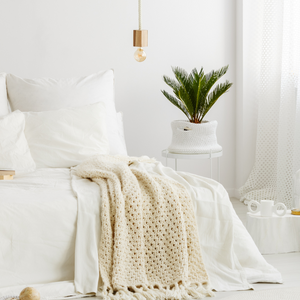
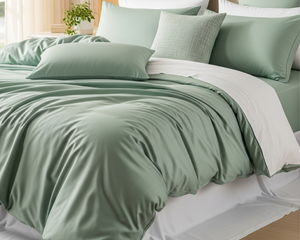
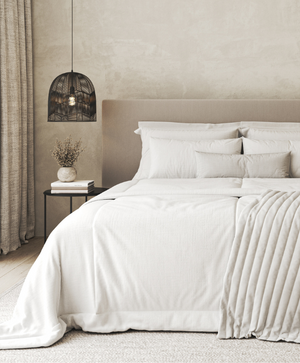
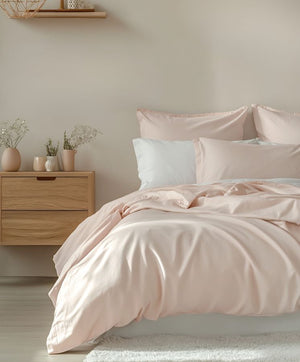
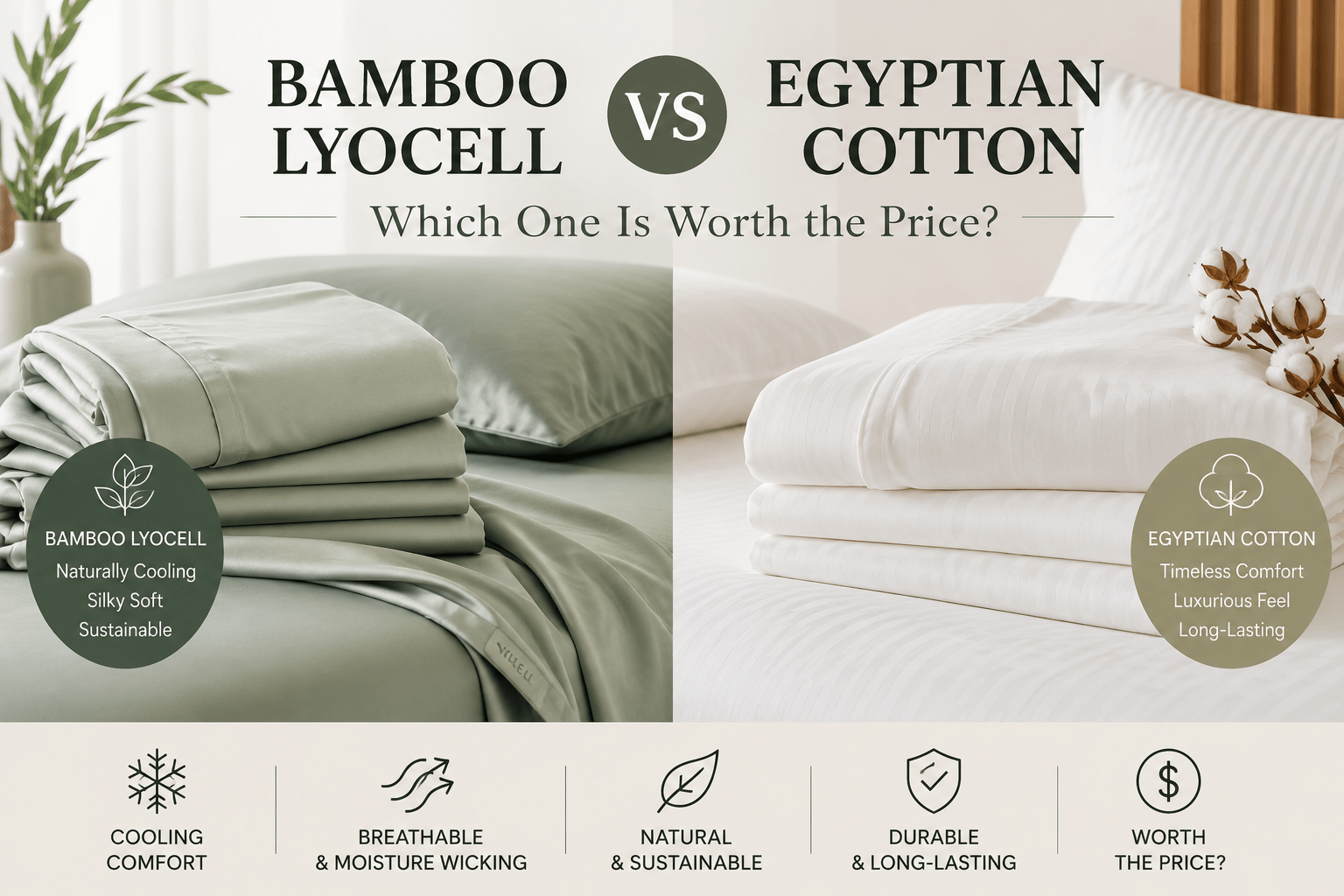
The label said Egyptian cotton. The thread count was 800. The price was $240 for a queen set, which felt like the kind of number that signals quality rather than asks for justification.
By the following August, the sheets had thinned at the fitted corners and developed a texture nobody would describe as hotel-grade. The 800 thread count turned out to be a multiply count - two or three thin threads twisted together and counted individually, a practice the Federal Trade Commission has repeatedly flagged but inconsistently enforced. The sheets contained Egyptian cotton, in the sense that cotton grown in Egypt was involved. How much, from which region, and how it was blended with shorter-staple cotton from elsewhere: the label didn't say.
This is the entry point for the bamboo lyocell comparison. Not because Egyptian cotton is a bad material - it isn't but because "Egyptian cotton" has become a brand as much as a fiber specification, and the gap between what the label implies and what the sheet contains is wide enough to matter when you're deciding where to spend real money.
What Egyptian Cotton Actually Is
The Gossypium barbadense plant grown in the Nile Delta produces extra-long-staple fibers longer than standard cotton, which makes stronger, smoother thread that resists pilling and develops a better hand-feel over years of use. This is real. Genuine GIZA-grade Egyptian cotton, sourced from Egypt's most productive growing regions, is one of the strongest natural fibers available for bedding. Hotels that use it and mean it get fifteen years out of a set.
The Cotton Egypt Association has stated, though without a published methodology I can verify that over 90% of products sold globally as Egyptian cotton contain little or no actual Egyptian-origin fiber. Blends with short-staple cotton from other regions are common. If that figure is accurate, most people buying Egyptian cotton sheets are paying for a reputation attached to a category, not to the specific fiber the reputation was built on.
This matters before comparing anything. If you're buying verified Egyptian cotton from a specific mill, a traceable supply chain, and a certification like CmiA, you're buying one product. If you're buying a label, you may be buying something that performs like ordinary cotton and degrades like it too.
Where Bamboo Lyocell Comes From
Bamboo lyocell starts with bamboo pulp, processed through a closed-loop system using a non-toxic organic solvent that gets recovered and reused at around 99% efficiency. The process preserves the bamboo fiber's natural cellulose structure, which is why lyocell behaves differently from bamboo viscose, the more common and more aggressively marketed bamboo product, where harsh chemical solvents degrade the fiber during production.
The finished fiber is hydrophilic in a specific way: moisture gets pulled into the fiber core and released into the air, rather than absorbed at the surface and held there. This is the property that makes bamboo lyocell genuinely different from Egyptian cotton not the softness on first contact, not the thread count equivalent, but what happens to body heat and perspiration during the second half of a warm night.
The Héritage Bamboo Sheet Set from Verleu uses 100% SoftNuit™ Bamboo Lyocell with OEKO-TEX Standard 100 certification independently tested for over 100 harmful substances in the finished fabric, not just the raw material. That certification is verifiable by certificate number, which distinguishes it from brand claims that can't be checked.
The Texture Question Has a Time Component
Both fabrics feel good on night one. That's almost useless information.
Egyptian cotton percale has a specific dry, crisp texture resistant in the way starched linen is resistant, not scratchy but not soft either. Some people find this exactly right. It feels clean. It feels like it will last. And quality percale cotton does improve over time, softening gradually across years of washing without losing its structural integrity.
Bamboo lyocell starts softer than most cotton. The fiber surface is smoother, which is why it's often compared to silk on first contact. What's less often mentioned is that it gets softer with washing - not softer the way worn fabric becomes limp, but softer because the extra-long-staple fibers relax and settle without the fiber structure degrading. At wash twenty, most people find it noticeably different from wash one. Cotton percale holds its texture. Lyocell improves its texture. Which of those you prefer depends on what you liked about the sheets when you first bought them.
Cotton sateen is a different situation entirely. The smooth, tight weave that makes sateen feel silk-like on first contact also traps heat more aggressively than percale, because the same surface density that produces the hand-feel restricts airflow. Sateen cotton is routinely marketed as luxury bedding and routinely disappoints hot sleepers by October. This isn't a defect in the cotton fiber; it's a consequence of the weave, but it happens consistently enough that it's worth naming before you pay a premium for it.
What Happens After Midnight
For sleepers who run cool, Egyptian cotton percale does the job. Air moves through the fabric. The sleep surface stays dry enough not to be a problem.
The gap opens for hot sleepers, and it opens for a specific reason.
Cotton absorbs sweat passively; it takes in moisture when it arrives and holds it at the surface. Once a cotton sheet is damp, the moisture stays pressed against skin, which is why cotton sheets feel heavy and warm in the second half of a warm night. Longer-staple Egyptian cotton distributes moisture more evenly across the weave than standard cotton does, which is a real advantage. It still holds the moisture.
Bamboo lyocell moves moisture differently. The fiber structure creates channels that pull perspiration away from skin and disperse it into air. Verleu describes their sheets as running measurably cooler than cotton; this is a brand claim, not an independently published figure, and I'd note it as such, but the underlying mechanism is structural, not added by treatment. The fiber behaves this way because of how lyocell is made, not because of a finish applied afterward that washes out over time.
For couples where one person sleeps hot and one sleeps cool, this matters in a specific way. Bamboo lyocell doesn't refrigerate the bed. It removes the main cause of heat buildup - trapped moisture - without making the sleep surface actively cold. The hot sleeper gets a drier surface. The cold sleeper doesn't get a cold bed. It's the closest thing bedding has to a neutral thermal environment.
The Durability Comparison, Without the Optimism
Genuine long-staple Egyptian cotton, properly sourced and properly cared for, is one of the most durable bedding materials available. Fifteen years from a set is documented experience, not marketing. This is the strongest honest argument for Egyptian cotton over any alternative, and it should be stated without softening.
The problem is that "genuine" is doing heavy work. A sheet containing blended short-staple cotton sold under an Egyptian cotton label will pill within a year, thin at wear areas within two or three, and develop a texture that diverges significantly from what the label implied. The label doesn't protect you from this.
Bamboo lyocell with verified sourcing runs five to eight years under normal care: cold water wash, low heat dry, no fabric softener, which coats the fibers and defeats the moisture-wicking structure. It doesn't match the ceiling of verified Egyptian cotton at its best. What it does is perform consistently across its lifespan without the degradation that affects bamboo viscose or the short-staple cotton blends that make up most of what gets sold as Egyptian cotton.
The bamboo lyocell pillow cases are the most direct test of this. Pillow cases absorb more contact-hour wear than any other piece in a bedding set. Fabric that degrades will show it there first. The bamboo lyocell duvet cover and bamboo lyocell comforter extend the same fiber approach to the full sleep system - which matters because a lyocell sheet under a synthetic-fill comforter in a sateen cotton duvet cover is still going to trap heat, just with one better layer.
What the Price Is Actually Buying
Verified Egyptian cotton from a traceable source-specific mill, CmiA certification, genuine long-staple fiber runs $250–$500 for a queen set at the honest premium end. Below that, you're mostly buying the brand, not the fiber.
Bamboo lyocell from Verleu starts at $219.95 for the Héritage sheet set, comparable to mid-range Egyptian cotton claims, below the verified premium tier. The full bedding collection covers every contact layer. Current deals across the range are worth checking before buying pieces separately.
For the bedroom beyond the bed, a super plush bath robe, a cotton waffle weave throw blanket, and the bath and lounge collection are places where cotton's specific properties (high-heat washability, maximum absorption, durability under hard use) are genuinely the right answer. The argument for bamboo lyocell is specific to sleep surfaces. It doesn't extend to everything. The Aérien dresser and Socle night stand complete the room for anyone rethinking more than just the sheets.
Which One Is Actually Worth the Price?
If you sleep cool, prefer a crisp dry texture over a smooth soft one, and can verify what you're buying with a specific certification, traceable mill genuine Egyptian cotton percale is still one of the best options in bedding. The fifteen-year lifespan is real when the fiber is real.
If you sleep hot, if you've bought Egyptian cotton before and been disappointed, or if you'd rather buy a certified product than a prestigious label, bamboo lyocell has the more verifiable case. It solves a problem cotton doesn't solve. It lasts a shorter time than the best Egyptian cotton but performs consistently across that time in a way that the category average for Egyptian cotton doesn't.
The sheets that felt like hotel quality in the store and thin by August aren't Egyptian cotton's fault. They're the fault of a label that outran the material it was supposed to describe. That's the comparison worth making before you decide.


