

Cart
0



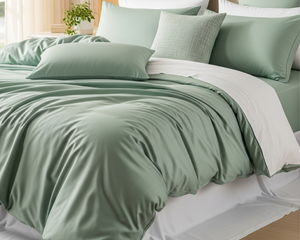
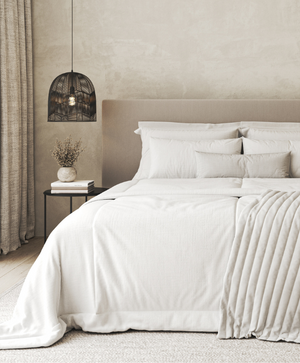
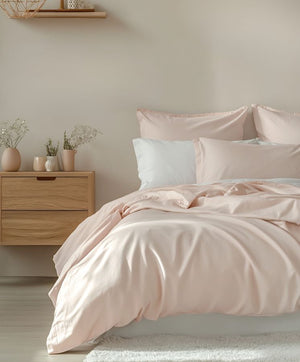
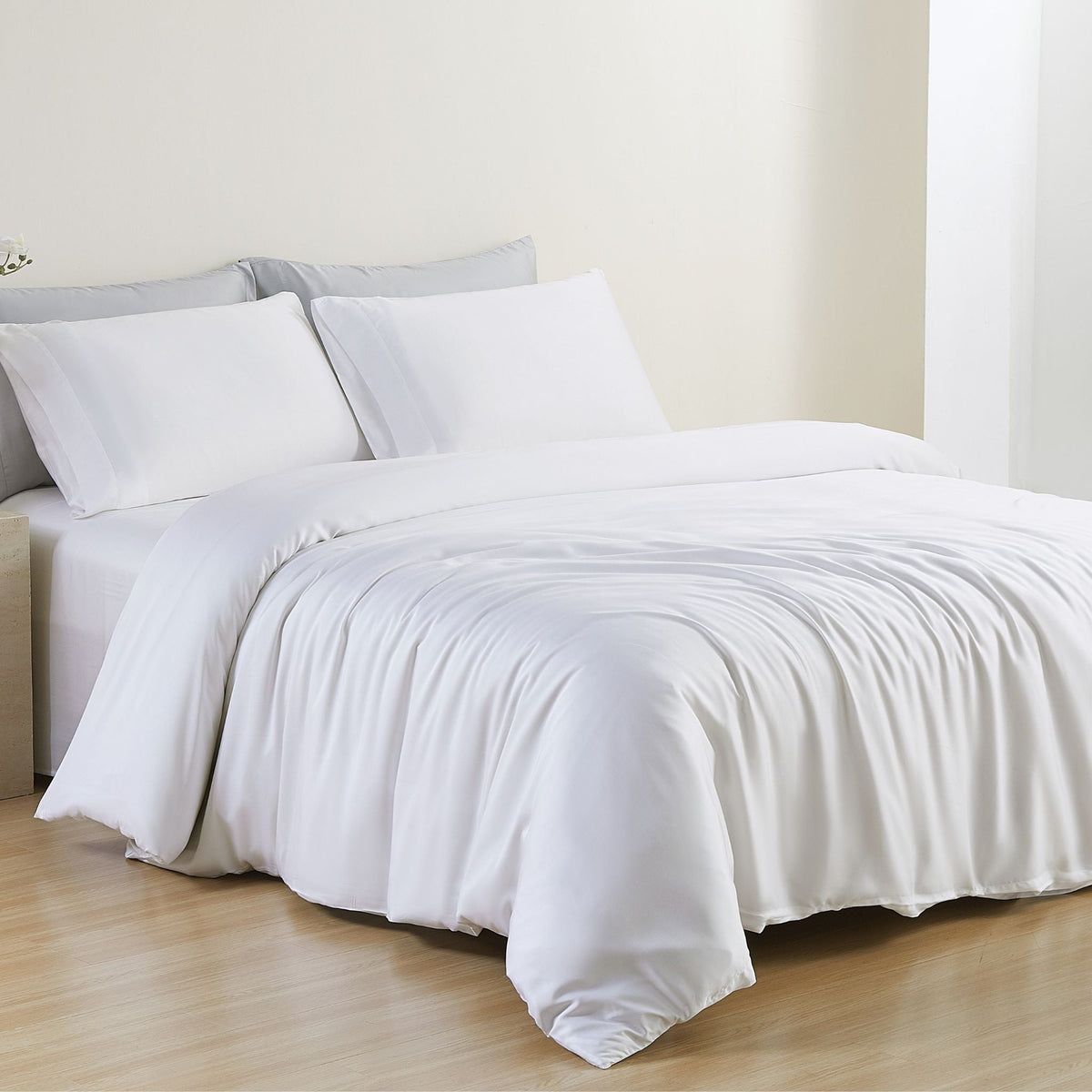
A bedroom can feel beautifully styled at 10 p.m. and still become uncomfortably warm by 2 a.m. When the air is heavy, the fabric wrapped around your comforter matters as much as the comforter itself. The best duvet covers for summer do more than look light and inviting: they help heat and moisture move away from the body, so your bed feels composed rather than clammy.
For hot sleepers, this is not a minor seasonal detail. Interrupted sleep from overheating can leave you restless, fatigued, and reaching for the thermostat. A considered duvet cover creates a cooler surface against the skin while preserving the polished, layered look that makes a bed feel like a retreat.
What Makes the Best Duvet Covers for Summer?
A summer-ready duvet cover should balance breathability, moisture management, and a comfortable hand feel. Those qualities are related, but they are not identical. A loosely woven fabric may allow air to circulate, for example, yet still feel rough or hold moisture once the night turns humid.
The strongest choices begin with the fiber. Natural and regenerated cellulosic fibers tend to perform well because they can absorb and release moisture more effectively than many petroleum-based synthetics. The weave then determines how that fiber feels: crisp and airy, fluid and silky, or softly textured.
Fit also affects sleep comfort. An oversized cover can bunch around the insert and create warm, dense pockets of fabric. One that is too small may pull tightly across the comforter, limiting its loft and making the bed feel less breathable. Look for interior corner ties and a secure closure so the insert stays evenly distributed from the first night through laundry day.
Finally, consider the full bedding system. A cooling duvet cover cannot entirely compensate for a heavy down insert, flannel sheets, or a room with little airflow. Pair it with a lightweight comforter or summer-weight insert and breathable sheets for a noticeably more comfortable result.
Bamboo lyocell: cooling performance with a polished finish
Bamboo lyocell is especially compelling for warm weather because it is engineered to move moisture efficiently while maintaining an exceptionally smooth surface. Rather than simply feeling cool when you first climb into bed, a well-made bamboo lyocell cover helps manage the humidity that builds around the body overnight.
That smoothness matters for sensitive skin, too. Less surface friction can feel gentler on skin and hair, while the naturally fluid drape gives the bed an elegant, serene cascade. It is the material choice for sleepers who want cooling performance without trading away the luxurious feel of a finely finished bedroom.
Not all bamboo bedding is equivalent. Bamboo viscose and bamboo lyocell are often grouped together, but their manufacturing processes differ. Shoppers seeking a cleaner, more transparent option should look beyond broad bamboo claims and ask what fiber is actually used, how it is processed, and whether the finished textile is independently tested for harmful substances.
Linen: naturally airy, deliberately relaxed
Linen has earned its warm-weather reputation for good reason. Its texture and looser structure encourage airflow, and its lived-in look suits relaxed summer interiors. It also becomes softer over time.
The trade-off is tactile. Linen is not usually as smooth as bamboo lyocell or sateen, and it wrinkles readily. For some, that texture is part of its appeal. For sleepers with highly sensitive skin or those who prefer a sleek, hotel-style finish, it may feel less indulgent night after night.
Cotton percale and sateen: choose by weave, not just fiber
Cotton can be a smart choice, but the label alone tells you very little. Percale uses a simple one-over, one-under weave that creates a crisp, breathable feel. It is a classic option for sleepers who like sheets and duvet covers that feel freshly pressed, even when they are not.
Sateen uses a different weave that brings more softness and sheen. It can feel luxurious, but its denser structure may not be the first choice for someone who wakes up overheated in a humid climate. If cool sleep is the primary goal, percale generally has the advantage. If softness and a luminous finish matter most, sateen may be worth the slight compromise.
Details That Keep a Summer Bed Cooler
Fabric is the foundation, but construction decides whether a duvet cover performs as intended. Start with weight. A cover should feel substantial enough to drape cleanly over the bed, yet not so dense that it becomes another insulating layer. High thread count is not automatically better. In fact, an inflated thread count can signal a tighter, heavier fabric that limits airflow.
Pay attention to closures. Hidden buttons offer a traditional finish, while zipper closures create a streamlined look and can make changing the bed faster. Neither is inherently cooler, but both should lie flat and avoid adding bulky hardware near the feet.
Interior ties are more consequential. They anchor the comforter at each corner, reducing the need to shake and redistribute the insert after every use. A comforter that stays evenly spread can maintain a more consistent temperature across the bed.
Color deserves a practical mention. Deep, saturated shades can create a dramatic bedroom, but light neutrals often make a summer bed feel visually cooler and more restful. This is an aesthetic decision rather than a temperature-regulation feature, so choose the color that makes you want to settle in.
How to Choose a Duvet Cover for Your Sleep Style
If you routinely wake with damp skin or throw off the covers during the night, prioritize moisture-wicking fibers and a lightweight insert. Bamboo lyocell or breathable percale cotton are stronger starting points than microfiber or dense sateen.
If your skin is easily irritated, focus on a smooth finish and verified material safety. Rough texture, heavy fragrance from laundry products, and fabrics treated with unclear finishes can all make a bed feel less restorative. Choose bedding with transparent fiber information and recognized textile testing where available.
If you sleep cool but share a bed with someone who runs hot, the duvet cover can be a useful compromise. Select a breathable cover, then use a lighter insert or layer a separate blanket on the cooler sleeper's side. This preserves the visual harmony of one finished bed without forcing both people into the same temperature experience.
For design-conscious homes, consider how the cover behaves after washing. Linen offers character and texture, while bamboo lyocell delivers a more fluid, polished drape. Percale looks tailored and crisp. The most beautiful choice is the one whose maintenance and finish match the way you actually live.
Care That Protects Breathability and Softness
A premium duvet cover should become part of an easy, repeatable care ritual. Wash it regularly to remove body oils, perspiration, and skincare residue that can interfere with its fresh feel. Use cool water and a gentle cycle unless the care label directs otherwise, and avoid overloading the machine so the fabric can rinse thoroughly.
Skip fabric softener when possible. It can leave a coating that diminishes absorbency, particularly on performance-oriented fibers. Use a mild detergent, dry on low heat, and remove the cover promptly to reduce wrinkles and unnecessary wear. For linen, a few wrinkles are part of the material's character. For smoother fabrics, folding or placing the cover back on the bed while slightly damp can help preserve its clean finish.
At Verleu, the Héritage bamboo lyocell duvet cover is designed for sleepers who want luxury to work harder: a smooth, cooling layer with moisture-wicking performance and a refined finish suited to the everyday bed.
Your summer bedding should never ask you to choose between a bedroom that looks considered and sleep that feels genuinely restorative. Choose the fabric that meets your body where it is, then let the rest of the room become quieter, cooler, and ready for the night ahead.


