

Cart
0



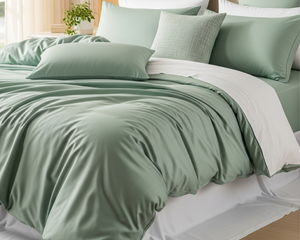
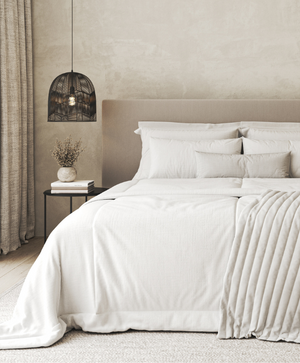
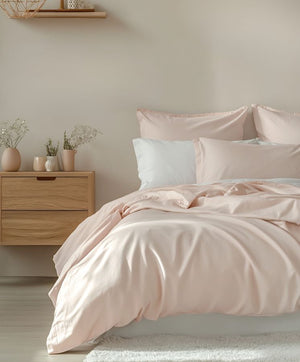
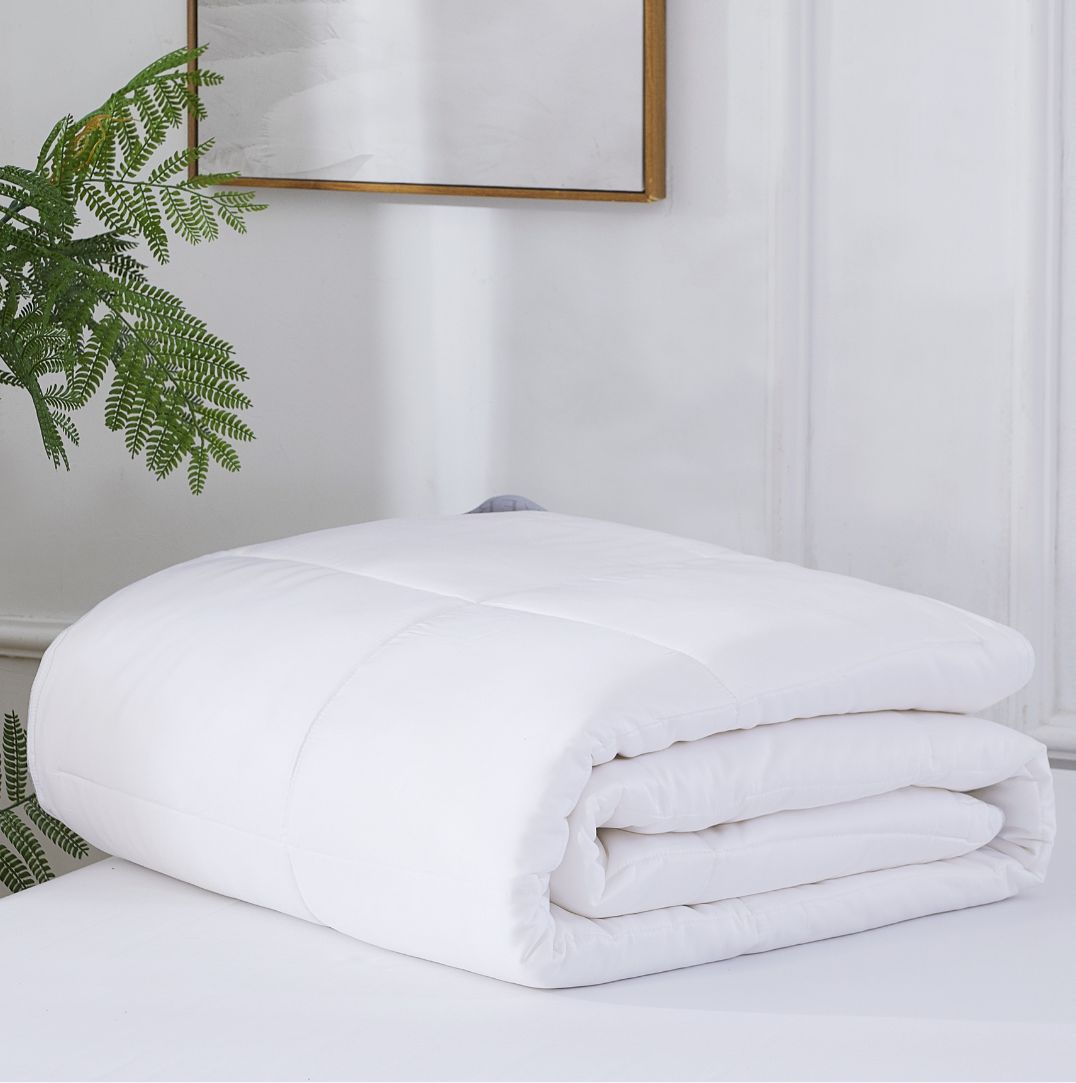
The moment you wake up overheated, the issue is rarely just the room temperature. Heat can become trapped in the layers closest to your body: the sheets, the fill, and especially the comforter. A bamboo comforter is designed to change that experience, pairing cloudlike warmth with a smoother, more breathable sleep surface.
For shoppers who want their bed to feel elevated without feeling heavy, the material details matter. “Bamboo” can describe very different fibers and manufacturing methods, and those differences affect how a comforter performs night after night.
What Is a Bamboo Comforter?
A bamboo comforter is a bed layer made with bamboo-derived fabric, fill, or both. The term is broad, which is why it deserves a closer look before you buy. Some comforters have a bamboo-derived outer shell wrapped around conventional polyester fill. Others use bamboo-derived fibers in the fill itself. A premium design considers both components rather than relying on a single material claim.
The shell is what rests closest to your skin. When crafted from bamboo lyocell, it can feel exceptionally smooth, cool to the touch, and gentle against sensitive skin. The fill determines loft, insulation, weight, and how easily the comforter releases excess warmth.
That distinction matters because a luxurious hand feel alone does not guarantee a comfortable night. The best comforter should support temperature regulation, resist the clammy feeling that follows perspiration, and maintain an even, inviting drape across the bed.
Why Bamboo Lyocell Makes a Difference
Not every bamboo fiber is made the same way. Bamboo viscose and bamboo lyocell begin with a plant-based source, but their processing methods differ. For a luxury bedding purchase, that difference should not be treated as fine print.
Bamboo lyocell is produced in a more controlled, closed-loop process that recovers and reuses much of the solvent used to transform cellulose into fiber. The result is a refined textile known for its silky texture, moisture management, and breathability. It is a material choice that aligns with a cleaner, more considered bedroom environment.
Bamboo viscose is widely available and can feel soft at first, but the quality of its production varies substantially. A label that simply says “bamboo” does not tell you enough about fiber origin, chemistry, or finished performance. Look for clear disclosure of the fiber type and meaningful safety standards, such as OEKO-TEX certification, which tests textiles for harmful substances.
For sensitive sleepers, transparency is part of comfort. Bedding should be beautiful, but it should also give you confidence about what touches your skin for seven or eight hours each night.
Cooling Is About Moisture, Not Just Temperature
A comforter cannot lower the temperature of your bedroom. What it can do is help your sleep system handle body heat more effectively. Bamboo lyocell’s moisture-wicking properties draw perspiration away from the skin, helping reduce the sticky, damp sensation that can interrupt rest.
Breathability also allows air to move more freely through the comforter. This is particularly valuable for people who run warm but still want the reassurance of a substantial top layer. Instead of choosing between a thin blanket and an overly insulated down alternative, they can look for balanced loft paired with a breathable shell.
Still, cooling performance depends on the whole bed. A bamboo comforter placed inside a dense, non-breathable duvet cover may not feel as airy as it should. Pairing it with bamboo lyocell sheets and a similarly breathable cover creates a more consistent sleep climate from the mattress upward.
The Right Fill Determines the Feel
Comforter fill is where personal preference enters the equation. Natural down delivers classic loft and can be exceptionally insulating, though it may be too warm for some sleepers and requires careful sourcing and maintenance. Down alternatives are often easier to care for and can provide a lighter, more consistent feel, but quality varies widely.
A bamboo-based fill or a thoughtfully engineered down-alternative fill can offer a compelling middle ground: plushness without excessive bulk and warmth without a sealed-in feeling. The goal is not maximum loft at any cost. It is even distribution, gentle drape, and insulation that feels appropriate in your home.
Construction helps preserve that performance. Box stitching or baffle-style compartments keep fill from migrating into corners, preventing cold spots and lumpy sections. A comforter should look composed on the bed and feel equally composed after months of use.
When comparing options, consider these practical questions:
- Is the bamboo lyocell used in the shell, the fill, or both?
- Is the fill evenly secured through box stitching or another reliable construction method?
- Does the weight suit your room temperature and personal sleep habits?
- Are the fiber content, care instructions, and safety certifications clearly stated?
Who Benefits Most From a Bamboo Comforter?
Hot sleepers are the obvious audience, but they are not the only ones who may appreciate bamboo lyocell bedding. Couples with different sleep temperatures often benefit from a comforter that feels insulating without becoming oppressive. One partner may want cozy coverage while the other needs less trapped heat, and balanced materials can make that shared bed easier to enjoy.
People with sensitive skin may also prefer the smooth surface of bamboo lyocell. Its fine fibers create less friction than rougher fabrics, producing a calm, polished feel that is especially welcome after a long day. This is not a medical treatment, and individual sensitivities vary, but choosing a certified, thoughtfully made textile is a sensible step for anyone reducing unnecessary irritants in their sleep space.
Design-conscious homeowners will notice another advantage: drape. A well-made bamboo comforter has a fluid, elegant fall that gives the bed a relaxed but finished appearance. It can create the serene cascade associated with luxury bedding without requiring a stack of decorative layers.
Choosing the Right Weight for Your Bedroom
There is no single best warmth level. A lightweight bamboo comforter is often ideal for warm climates, naturally warm sleepers, and homes that stay heated through the winter. A medium-weight option works well for many households that prefer year-round versatility. Heavier comforters can be satisfying in cooler bedrooms, but even cold sleepers should prioritize breathability over sheer density.
Think about your actual sleep environment rather than the season printed on a product label. Do you sleep with the thermostat low? Do you layer a duvet cover over the comforter? Does your bedroom receive afternoon sun, or does it remain cool overnight? The right answer depends on these conditions.
If you tend to wake up hot, avoid assuming that a higher fill weight will feel more luxurious. Premium comfort comes from balance. A lighter, high-quality comforter that lets your body settle into a stable temperature can feel far more indulgent than one that causes you to throw it off at 3 a.m.
Care That Preserves Softness and Loft
A bamboo comforter is an investment in the quality of your nightly routine, and proper care protects that investment. Always follow the specific care label, since fill materials and shell construction can change the recommended washing method.
In general, use a gentle cycle, cool water, and a mild detergent free from bleach and harsh additives. Avoid fabric softener, which can coat fibers and compromise the natural smoothness and moisture-managing qualities you chose the comforter for. If machine drying is permitted, use low heat and allow enough time for the fill to dry completely. Damp fill can clump and may develop unwanted odor.
A breathable duvet cover can reduce the need for frequent washing while adding another layer of protection. Between washes, air out the comforter and fluff it lightly to redistribute the fill. Store it clean and fully dry in a breathable bag rather than compressed plastic.
A More Considered Way to Build the Bed
The strongest reason to choose a bamboo comforter is not that it promises a miracle. It is that it brings material intelligence to a layer many people overlook. Your comforter should not simply look inviting from across the room. It should help manage warmth, feel composed against the skin, and hold its softness through the rituals of everyday use.
Choose the fiber details with the same care you would give a mattress or pillow. When your top layer is breathable, beautifully draped, and made with clearer standards in mind, getting into bed becomes less of an escape from the day and more of a deliberate return to comfort.


