

Cart
0



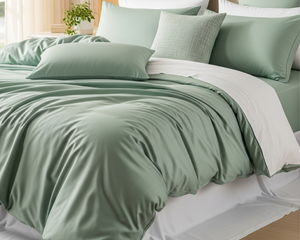
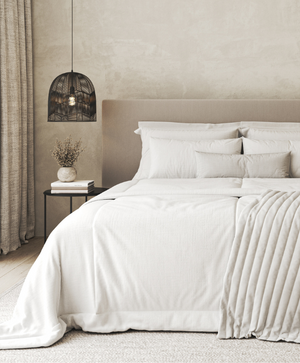
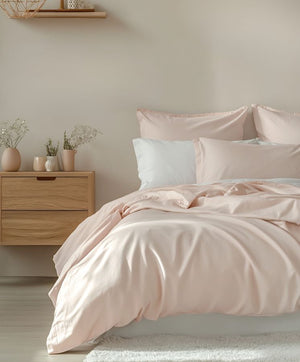
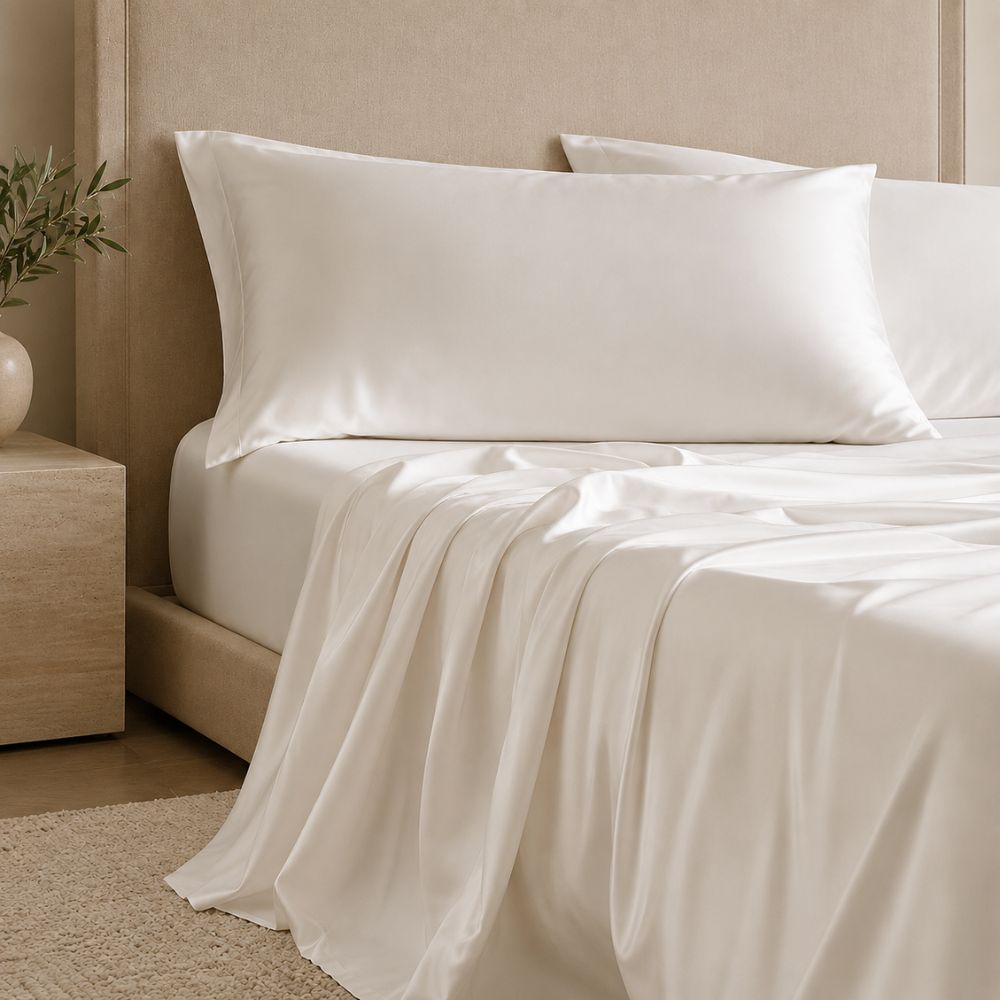
The difference between a restless night and a deeply restorative one can come down to what is resting against your skin. The most compelling lyocell bedding benefits are not merely about a silky first touch. They are about how the fabric manages warmth, moisture, and friction through the hours when your body is meant to recover.
For sleepers who wake warm, deal with easily irritated skin, or simply want their bedroom to feel more considered, bamboo lyocell offers a refined alternative to conventional cotton and lower-grade bamboo fabrics. Its appeal is rooted in material performance: breathable comfort, moisture control, exceptional softness, and a more thoughtful approach to fiber production.
What Makes Lyocell Different?
Lyocell is a regenerated cellulose fiber, meaning it begins with plant-based pulp and is transformed into a smooth, fine textile fiber. When made from bamboo, the result can be an exceptionally soft fabric with a fluid drape and cool-to-the-touch feel that suits elevated bedding.
The manufacturing method matters as much as the source material. Bamboo lyocell is distinct from bamboo viscose, a label often used broadly in bedding despite relying on a different production process. Lyocell is produced using a solvent-spinning method designed to recover and reuse much of the processing solution in a closed-loop system. That is a more technologically advanced approach than conventional viscose production and a meaningful consideration for shoppers who care about how their bedding is made, not only how it feels.
Still, “bamboo” alone is not a quality guarantee. Fiber content, weaving, dyeing standards, finishing treatments, and third-party testing all influence the final sheet set. A premium lyocell product should be transparent about its materials and certifications rather than relying on a botanical label alone.
Lyocell Bedding Benefits That Change the Sleep Experience
A cooler surface for hot sleepers
Heat is one of the most common reasons people wake during the night. Heavy fabrics can trap warmth near the body, while some synthetic blends create a slick surface that feels warm once moisture enters the equation. Lyocell’s smooth fibers and breathable construction help create a cooler, more comfortable sleep surface.
That does not mean a sheet can lower the temperature of a warm room. No bedding can replace appropriate bedroom ventilation, a breathable mattress, or personal climate preferences. What quality lyocell can do is help reduce the clammy, heat-trapping feeling that makes warm sleep feel even more disruptive. It allows the bed to feel light, airy, and composed rather than dense and stifling.
Moisture management without the damp feeling
Night sweats do not have to be dramatic to affect sleep. Even modest perspiration can leave cotton feeling damp or cause heavier fabrics to cling. Lyocell is valued for its ability to absorb and move moisture away from the skin, helping the sleep surface feel drier over time.
For people who sleep warm, share a bed, experience seasonal temperature shifts, or live in humid climates, this is one of the most practical benefits. Instead of waking to a rumpled, moisture-heavy bed, you are more likely to experience the calm, dry comfort that makes it easier to settle back into sleep.
A softer, smoother feel for sensitive skin
The sensation of fabric matters, especially when it touches your body for seven or eight hours at a time. Bamboo lyocell has a notably smooth fiber surface, which creates a polished, silk-like hand feel without the fragile care demands associated with traditional silk bedding.
That smoothness can be especially welcome for people whose skin is easily bothered by rough textures, scratchy finishes, or stiff new sheets. Less surface friction means bedding feels gentler against the face, shoulders, and legs. For those who prioritize skin comfort, it is a meaningful upgrade from crisp but coarse fabrics.
Sensitive skin needs more than a soft hand feel, however. Look for bedding tested for harmful substances, such as OEKO-TEX certification, and follow care instructions that avoid harsh detergents and fabric softeners. Material quality and daily care work together.
Breathability that feels luxurious, not thin
Breathable bedding is sometimes mistaken for lightweight bedding. The two are related, but they are not identical. A well-made lyocell sheet can feel substantial enough to drape beautifully over the bed while still allowing air to circulate more freely than dense, heat-retentive alternatives.
This is part of lyocell’s luxury: it does not need to feel crisp, papery, or overly delicate to perform. It creates a serene cascade across the mattress, with a softness that feels immediately inviting and a finish that remains elegant rather than slippery.
Less effort to achieve a polished bed
Lyocell’s fluid drape gives a made bed a relaxed, elevated look. Pillowcases sit smoothly, duvet covers fall cleanly, and sheets tend to have less of the rigid appearance associated with some percale cottons. For a bedroom designed as a recovery space, that visual softness has value.
The practical side is equally appealing. Lyocell bedding is often more resistant to wrinkling than linen, though it will not be entirely wrinkle-free. If a perfectly pressed hotel look is your priority, you may still prefer to remove pieces promptly from the dryer or use a low-heat setting. The reward is bedding that looks intentionally luxurious without demanding constant attention.
Bamboo Lyocell vs. Cotton and Bamboo Viscose
Cotton remains a familiar standard because it is durable, widely available, and easy to understand. High-quality cotton can be an excellent choice, particularly for sleepers who prefer a crisp percale feel or a more structured sheet. But cotton can hold onto moisture, and its texture may become less inviting for sleepers seeking a smoother, cooler hand feel.
Bamboo viscose can feel soft at first, which is why it appears so frequently in the bedding market. Yet softness alone does not tell the full story. The distinction lies in the manufacturing process, the quality controls behind the finished textile, and the transparency offered by the brand. Shoppers looking for a cleaner, more considered bamboo option should ask whether the fabric is truly lyocell, whether it has been tested for harmful substances, and whether the company clearly explains what it is selling.
Bamboo lyocell is not automatically superior for every preference. If you love the crisp snap of cotton or want the textured, airy character of linen, those materials may better match your ideal bed. But for a balance of cooling comfort, moisture management, smoothness, and refined drape, lyocell makes a strong case.
How to Get the Most From Lyocell Bedding
Premium fibers deserve thoughtful care. Wash lyocell sheets in cold water on a gentle cycle with a mild detergent. Avoid bleach and fabric softener, which can coat fibers or compromise the fabric’s feel over time. Tumble dry on low heat, then remove the bedding promptly to preserve softness and reduce wrinkles.
It is also worth considering the full sleep system. A breathable sheet set performs best when paired with a duvet insert or comforter that does not trap excessive heat. For warm sleepers, layering is often more effective than one heavy cover: a smooth lyocell duvet cover, a breathable insert, and the freedom to adjust as the night changes.
At Verleu, this is the principle behind premium bamboo lyocell bedding: luxury should have a purpose. The best materials do more than make a bed look beautiful at the start of the day. They help it feel cooler, calmer, and more supportive when you need rest most.
Your bedroom should not ask you to tolerate overheating, rough texture, or questionable material claims. Choose bedding with the fiber quality, certifications, and performance details that earn a place in your nightly routine, then let the comfort speak for itself.


