

Cart
0

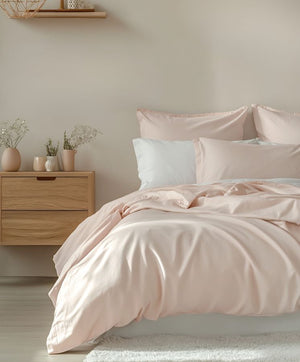
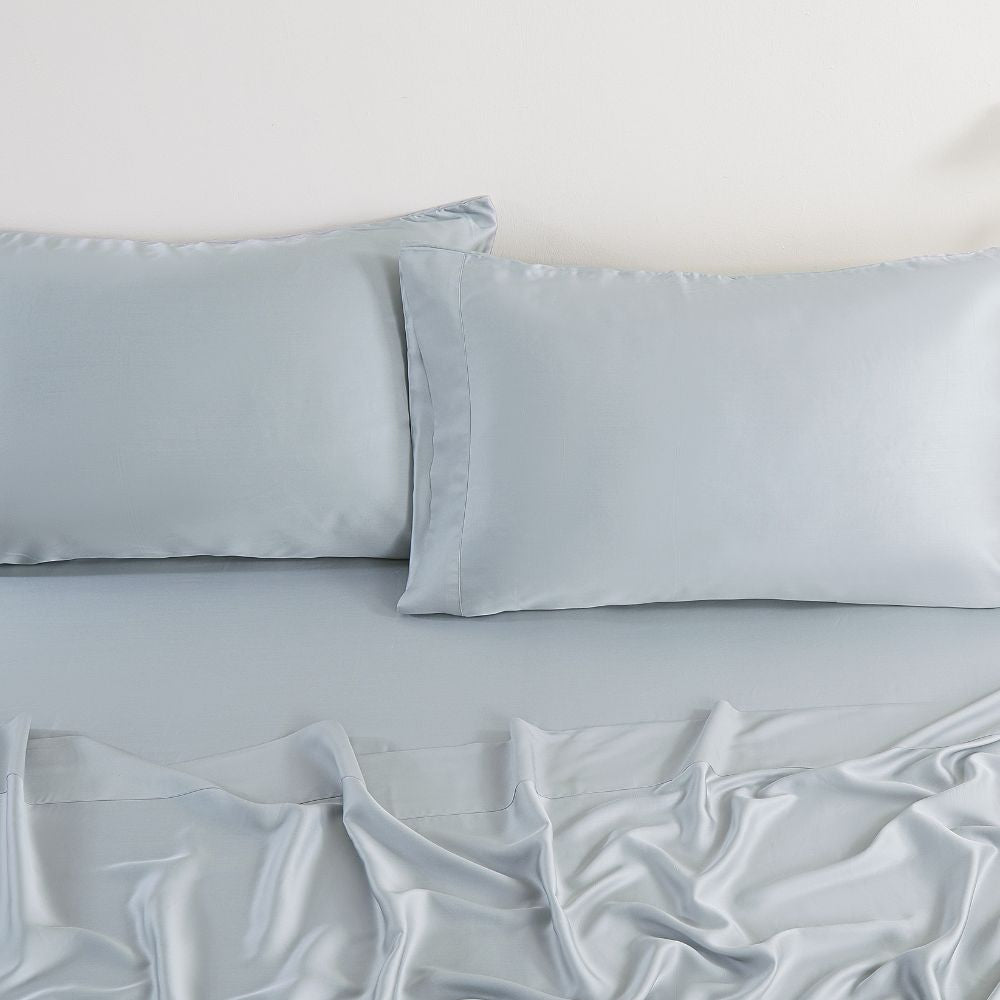
If you wake up damp at 2 a.m., kick the covers off, then spend the rest of the night trying to get comfortable again, your bedding is not doing its job. The best bedding for night sweats should pull moisture away from the body, release heat efficiently, and feel calm against skin that is already overstimulated by warmth. Softness matters, but performance matters more.
Night sweats can come from hormones, medication, stress, room temperature, or simply sleeping hot by default. That is why the right bedding is rarely about one miracle fabric or a trendy cooling claim. It is about how the entire bed works together - the sheets, the weave, the fill, the breathability of the top layer, and even whether the material traps humidity once you fall asleep.
What the best bedding for night sweats actually needs to do
A lot of bedding is marketed as cooling when it really means cool to the touch for the first few minutes. That sensation can be pleasant, but it is not the same as regulating temperature through the night. For people dealing with night sweats, the better question is whether a fabric can manage heat and moisture over hours, not moments.
The strongest performers tend to share three qualities. First, they breathe well, so body heat can escape instead of building under the covers. Second, they wick moisture, moving perspiration away from the skin before it sits there and turns clammy. Third, they dry relatively quickly, because a fabric that absorbs moisture but stays wet will still feel uncomfortable by morning.
This is also where material quality matters. Two sheet sets can both be labeled bamboo or cotton and perform very differently depending on how the fiber was made, how densely it was woven, and whether the finish relies on chemical treatments that wear off.
Start with sheets, because they sit closest to the skin
If you are trying to solve overheating, your sheets are the first place to look. They have the most direct contact with your body, so they shape the temperature and moisture experience more than most people realize.
Bamboo lyocell is one of the strongest choices for hot sleepers because it combines a fluid, luxurious hand feel with practical temperature regulation. The fiber is known for breathability and moisture management, which helps create that dry, clean sensation that night-sweat sufferers are usually chasing. It also tends to be gentler on sensitive skin, which matters when heat and perspiration already increase irritation.
Cotton can still work, but it depends heavily on the type. Lightweight percale made from long-staple cotton is typically the better option for hot sleepers because it has a crisp, airy structure. Sateen cotton, by contrast, usually feels smoother and more draped, but its denser weave can trap more warmth. Linen is another strong candidate. It breathes beautifully and gets better with time, though some sleepers find its texture too relaxed or too coarse compared with silkier alternatives.
The trade-off is simple. If you want the coolest, breeziest bed possible, percale and linen often perform well. If you want cooling with a more elevated, silky drape, bamboo lyocell often feels more refined while still delivering real moisture control.
Best bedding for night sweats means avoiding heat traps
The wrong bedding can undo even the best sheet set. Heavy comforters, dense synthetic fills, and tightly woven top layers often hold onto warmth long after your body is trying to release it.
Polyester is the most common issue. It is widely used because it is affordable and easy to care for, but it tends to trap heat and humidity. That can make it especially frustrating for anyone already prone to sweating. Memory foam mattress toppers and non-breathable mattress protectors can create similar problems from underneath, turning the entire bed into a heat-retention system.
This does not mean every synthetic blend is automatically bad. Some are engineered for airflow. But in premium bedding, natural and advanced cellulosic fibers generally offer a more breathable, more skin-comfortable sleep environment, especially when the goal is consistent overnight performance rather than a surface-level cooling story.
The top layer matters more than most people think
People often focus on sheets and forget that the comforter or duvet is what actually traps heat. If your top layer is too insulating, your body has nowhere to release the warmth that builds during sleep.
Look for a lightweight comforter or duvet insert rather than an all-season or heavyweight option. Fill matters here. Down can be breathable, but it varies widely by fill power and shell construction. Some down comforters feel lofty and light, while others are far too warm for hot sleepers. Wool can regulate temperature surprisingly well, but it has more weight and a different feel that not everyone loves.
For many people with night sweats, the sweet spot is a light, breathable insert paired with a duvet cover made from a moisture-managing fabric. That gives you flexibility without the bulk. If your room temperature changes throughout the year, this setup is easier to adjust than sleeping under one thick comforter year-round.
Why weave and finish can change everything
Even within the same fabric category, weave changes performance. A percale weave generally feels cooler because it is crisper and more breathable. A sateen weave feels smoother and more lustrous, but usually retains more warmth. Neither is universally better. It depends on whether your priority is airflow or drape.
Finish matters too. Some bedding feels artificially slick because it has been heavily processed. That can create instant softness on the shelf, but not necessarily durable performance after repeated washing. Premium bedding should feel better because the fiber itself is superior, not because it has been coated into temporary softness.
This is one reason educated shoppers increasingly distinguish bamboo lyocell from lower-grade bamboo alternatives. The label may sound similar, but the process, purity, and resulting performance are not always the same. If you are paying for cooling, softness, and cleaner material standards, those distinctions deserve attention.
What to look for if you have sensitive skin, too
Night sweats and skin sensitivity often travel together. Heat can aggravate itching, redness, and general discomfort, especially if your sheets hold onto moisture or contain harsh residues.
That makes fabric safety part of the conversation, not a side note. Bedding made with certified, skin-conscious materials can help reduce avoidable irritation. Smooth fibers with fewer rough friction points also tend to feel better when skin is warm and reactive. This is where bamboo lyocell stands out again - not just for cooling performance, but for its soft, low-abrasion feel and its appeal to shoppers who want a cleaner sleep environment.
If your skin is particularly reactive, skip heavily fragranced laundry products and fabric softeners as well. Even excellent bedding will underperform if it is coated in products that leave residue behind.
How to build a cooler bed without replacing everything at once
You do not always need a full bedroom reset. If budget or timing matters, start with the pieces that influence comfort the most.
Sheets are usually the smartest first upgrade. If your current set traps heat, switching to a breathable, moisture-wicking fabric can make a noticeable difference right away. After that, look at your comforter or duvet insert. If it feels too warm even in a cool room, it probably is.
Then check the hidden layers. Mattress protectors, toppers, and even pillows can hold more heat than expected. A breathable pillowcase and lower-loft pillow can sometimes help as much as a new blanket, especially if you overheat around your head and neck.
For shoppers who want premium comfort with measurable function, this is where a focused material strategy pays off. Verleu, for example, centers that approach around bamboo lyocell because luxury bedding should not just look serene on the bed - it should perform when the night gets warm.
A quick reality check on thread count and cooling claims
Thread count is one of the most misunderstood bedding metrics. Higher does not automatically mean better, and it definitely does not mean cooler. In many cases, very high thread counts create a denser fabric that reduces airflow.
For hot sleepers, breathability, fiber quality, and weave construction are more useful indicators than a big number on the package. The same goes for vague cooling claims. If a brand cannot explain how a fabric manages moisture, releases heat, or supports sensitive skin, the promise is probably more cosmetic than functional.
The best bedding for night sweats is not the bedding with the loudest language. It is the bedding that still feels dry, breathable, and comfortable after several hours of real sleep.
A cooler bedroom starts with better choices, not more layers. When your sheets breathe, your top layer stays light, and your materials are chosen for actual performance, sleep begins to feel less like a nightly negotiation and more like the recovery it should be.


