

Cart
0



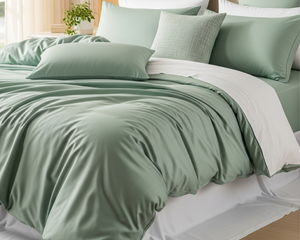
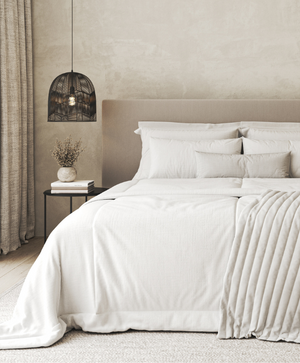
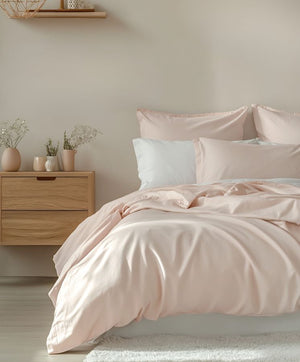
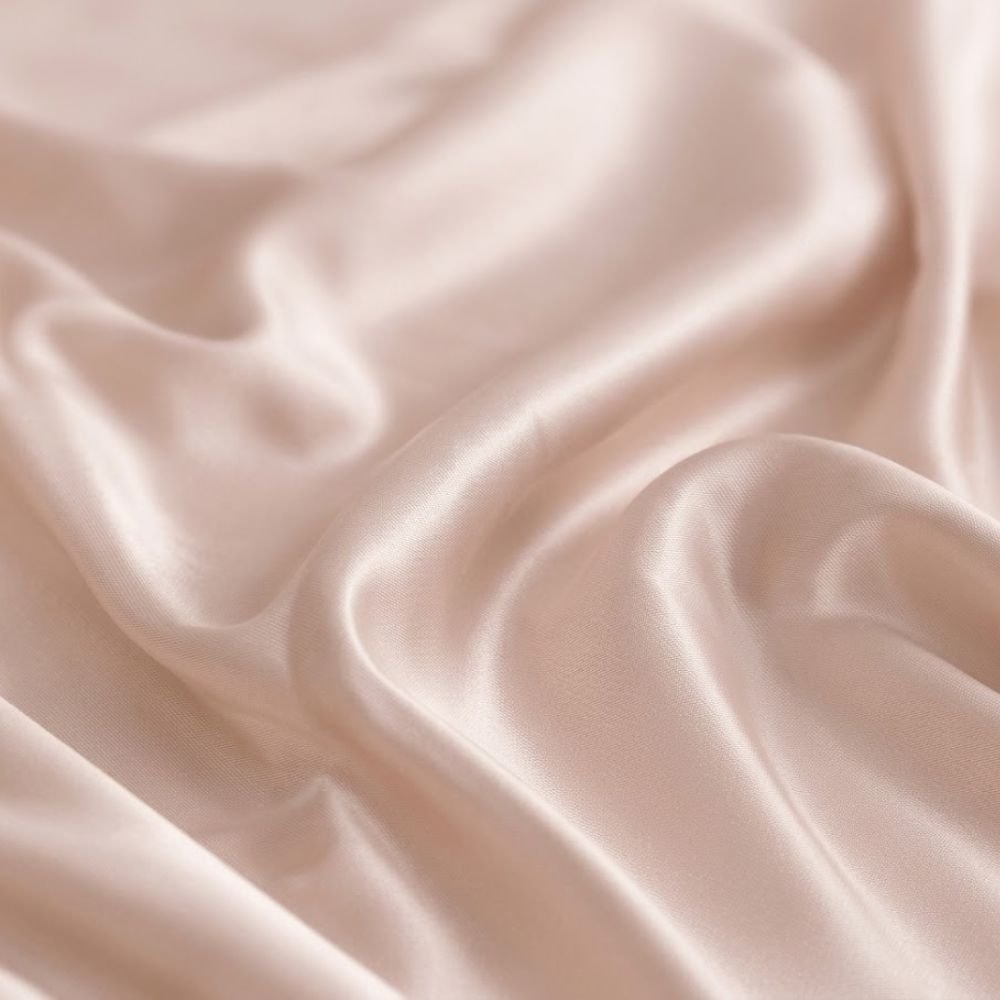
A restless night can begin with something as ordinary as a pillowcase. If your skin feels itchy, warm, or reactive by morning, the fabric touching you for eight hours deserves a closer look. So, are lyocell hypoallergenic? Lyocell is often an excellent choice for sensitive skin because it is exceptionally smooth, breathable, and effective at moving moisture away from the body. Still, “hypoallergenic” is not a guarantee that no one will ever react to a fabric.
The more useful question is whether a fabric creates a cleaner, calmer sleep environment with fewer common sources of irritation. High-quality lyocell can do exactly that, particularly when it is made without harsh finishes and carries meaningful third-party chemical-safety certification.
What “Hypoallergenic” Really Means in Bedding
In bedding, hypoallergenic generally means a material is less likely to trigger an allergic or skin-related reaction. It does not mean allergy-proof. Even the most refined sheet can become uncomfortable if it contains irritating dyes or finishing agents, holds onto sweat, or is washed in a heavily fragranced detergent.
For many sleepers, the biggest concerns are not a true allergy to the fiber itself. They are heat, friction, trapped moisture, residue from textile processing, dust mites, and detergent buildup. Bedding that feels dry, smooth, and well ventilated can help reduce the conditions that make sensitive skin feel worse.
That distinction matters because “hypoallergenic” is sometimes used as a broad marketing label. A premium sleep material should earn the claim through its fiber structure, production standards, and finished fabric quality, rather than relying on the word alone.
Why Lyocell Can Be a Better Choice for Sensitive Skin
Lyocell is a regenerated cellulose fiber, commonly made from wood pulp. In premium bedding, bamboo lyocell begins with bamboo-derived cellulose and is transformed into a soft, strong fiber through a more controlled manufacturing process than conventional bamboo viscose. The source material matters, but the process and final fabric matter just as much.
A smoother surface means less friction
Lyocell fibers have a notably smooth surface. When woven into quality sheets or pillowcases, that smoothness creates a soft, fluid hand feel that glides against skin rather than catching or feeling rough.
For people prone to irritation, this can be more than a luxury detail. Coarser or worn fabrics may create friction around the face, neck, shoulders, and legs, especially for restless sleepers. A smoother sleep surface helps create the serene, low-friction comfort sensitive skin often prefers.
Moisture management supports a drier sleep climate
Sweat, humidity, and warmth can intensify discomfort for sleepers with reactive skin. Lyocell is valued for its ability to absorb and release moisture efficiently, helping perspiration move away from the body instead of remaining concentrated at the skin’s surface.
That does not make lyocell a medical treatment for eczema, acne, or rashes. It does, however, make it a practical material for people who wake up overheated or find that damp bedding leaves their skin feeling unsettled. A cooler, drier bed can be a meaningful part of a more comfortable nighttime routine.
Breathability helps hot sleepers feel more comfortable
Breathable bedding allows air and heat to move more freely. Lyocell’s moisture handling works alongside its naturally light, airy feel to help regulate the microclimate between your body and the sheets.
This is especially relevant for hot sleepers, couples with different temperature needs, and anyone whose skin becomes more sensitive when they overheat. The objective is not an artificially cold bed. It is a more balanced sleep temperature that feels composed from the first touch through the early morning hours.
Are Bamboo Lyocell Sheets More Hypoallergenic Than Bamboo Viscose?
Not automatically, and this is where the details deserve attention. Bamboo is a raw plant source, not a guarantee of a finished fabric’s quality or skin safety. Both bamboo lyocell and bamboo viscose begin with cellulose, but they can be produced through very different processes.
Bamboo viscose is widely available and can feel soft initially, yet its manufacturing often relies on a more chemically intensive conversion process. Bamboo lyocell is typically produced in a closed-loop system designed to recover and reuse much of the processing solvent. This approach can offer a cleaner material story, but responsible manufacturing should still be supported by transparent standards and finished-product testing.
A claim of “chemical-free” should also be viewed carefully. No manufactured textile is literally free of chemistry. What matters is whether potentially harmful substances are controlled, whether residues are tested, and whether the finished bedding meets recognized safety standards. Certifications such as OEKO-TEX STANDARD 100 help provide reassurance that the finished textile has been tested for a range of substances that could be harmful to human health.
What Can Still Cause a Reaction?
Lyocell may be gentle, but the entire bedding system affects how your skin responds. If you have persistent irritation, look beyond the fiber content. A reaction may come from a fabric softener, scented detergent, laundry fragrance beads, topical skincare transfer, pet dander, or dust mites in pillows and mattresses.
Dyes and finishes can also matter. Deeply colored bedding is not inherently unsafe, but sensitive sleepers may prefer products with clear safety testing and fewer unnecessary treatments. A well-made fabric should feel luxurious without requiring heavy coatings to create softness or sheen.
In rare cases, someone may react to lyocell itself or to a blend that includes another fiber. If you have a diagnosed textile allergy, severe dermatitis, or unexplained symptoms, consult a dermatologist or allergist rather than relying on bedding claims alone.
How to Choose Lyocell Bedding for Sensitive Skin
Start with the finished product, not just the word “lyocell” on the label. Look for a clearly stated fiber composition and a brand that explains whether the fabric is bamboo lyocell, conventional viscose, or a blend. Transparency is part of premium comfort.
Next, consider certification. OEKO-TEX STANDARD 100 certification is especially useful for bedding because it addresses the safety of the finished textile, including components such as threads and buttons where applicable. It does not replace medical advice, but it is a meaningful trust marker for households seeking cleaner materials.
Finally, pay attention to construction and care. A tightly made, soft lyocell weave can feel remarkably gentle, while proper laundering preserves its performance. Wash sheets in cool water with a mild, fragrance-free detergent. Avoid bleach and heavy fabric softeners, which can leave residue and interfere with moisture-wicking performance. Tumble dry on low or air dry when practical to protect the fibers and maintain that signature fluid softness.
The Bottom Line on Lyocell and Skin Comfort
Lyocell is widely considered a strong option for sensitive skin because its smooth texture, breathable structure, and moisture-managing performance can reduce several everyday sources of nighttime discomfort. But hypoallergenic is not a promise of zero reactions. Fiber quality, dyes, finishes, certifications, laundry habits, and your individual sensitivities all shape the experience.
For a bed that feels as thoughtful as it looks, choose bamboo lyocell bedding made with transparent standards and skin-conscious finishing. The right sheets do more than elevate the room. They help make every night feel quieter, cooler, and more considered - exactly the kind of comfort you deserve to wake up to.


