

Cart
0



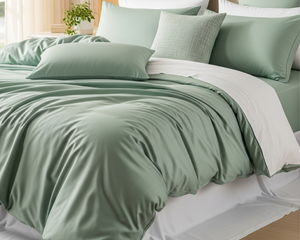
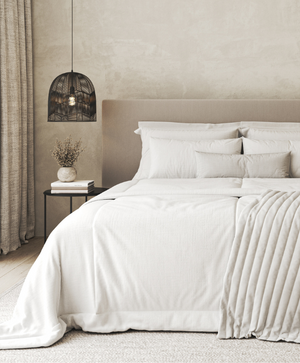
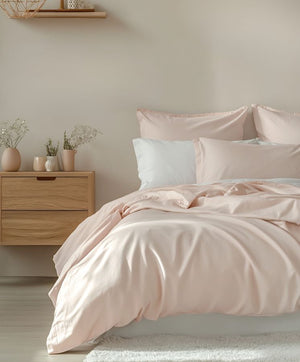
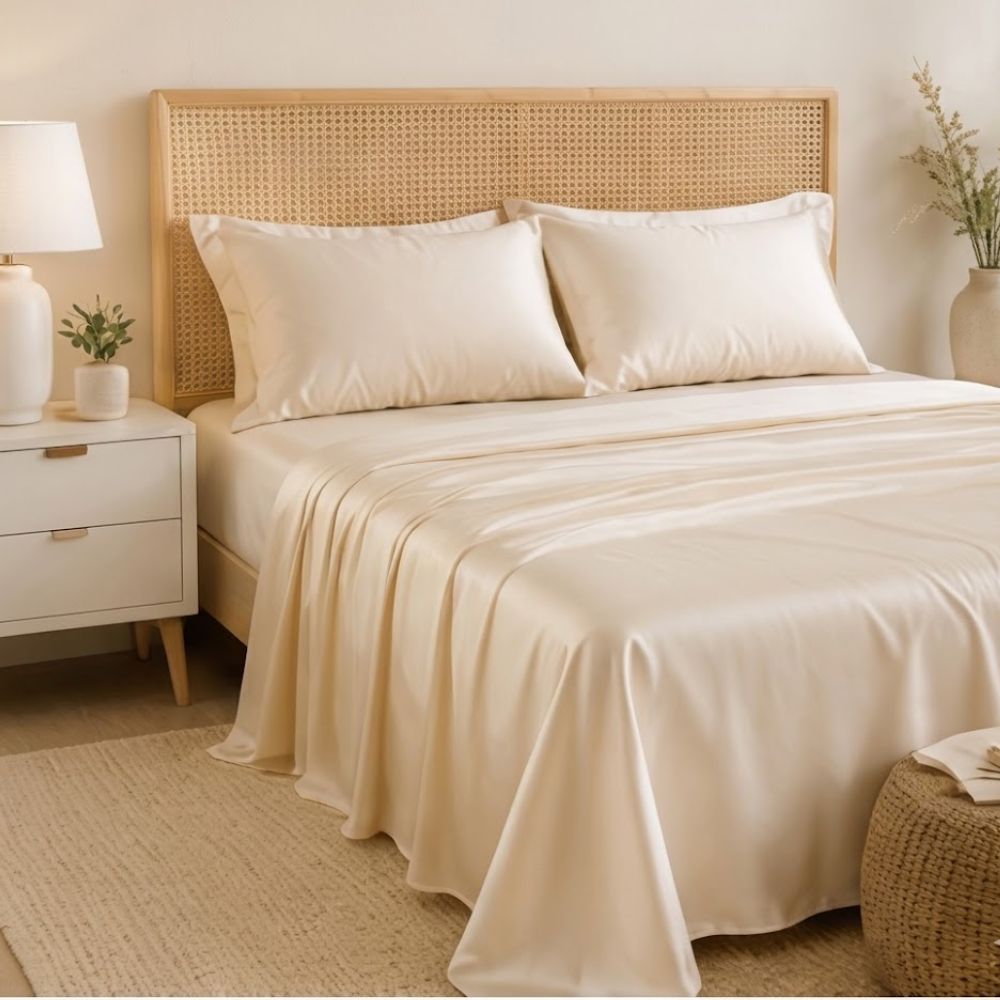
A warm pillow is one thing. Waking at 3 a.m. with sheets clinging to your skin is another. This cooling sheet set review is for sleepers who have learned that a lower thermostat cannot fully solve a bed that traps heat, holds moisture, or feels rough by morning.
The right sheets do more than feel cool for the first few minutes. They help your sleep environment release heat over the course of the night, move moisture away from the body, and preserve a smooth, breathable surface against skin. That performance depends less on a bold “cooling” label than on the fiber, weave, finish, and construction behind it.
What Makes a Cooling Sheet Set Actually Work
Cooling bedding is often described as if it were a single feature. In practice, it is a combination of thermal regulation, airflow, and moisture management. A sheet can feel crisp and cool at first touch yet become uncomfortable if it does not breathe well once body heat builds beneath a comforter.
Natural and regenerated cellulosic fibers are especially compelling because they can absorb and release moisture while maintaining a soft hand. Bamboo lyocell, when properly made, is designed to do this exceptionally well. Its smooth fibers help create a fluid, low-friction surface, while the material’s moisture management supports a drier feel through the night.
That distinction matters for hot sleepers, but also for couples with different temperature preferences. A sheet set cannot make one side of the bed cold and the other warm. It can, however, reduce the clammy, heat-retaining sensation that makes shared sleep less comfortable.
Cool to the Touch Is Not the Same as Temperature Regulation
Some synthetic cooling fabrics use a slick finish or a tightly woven surface to create an immediate cool-touch effect. That can be pleasant, particularly in a warm room. But a cold first impression is not a complete measure of overnight comfort.
True temperature-regulating sheets respond more gradually. They allow excess warmth to dissipate and help manage perspiration rather than sealing it against the body. The result should feel balanced: cool when you run warm, yet never thin, slippery, or stark when the room is cooler.
Cooling Sheet Set Review: The Material Question
The most useful place to begin any cooling sheet set review is with the fiber itself. Cotton, linen, TENCEL™ lyocell, bamboo viscose, and bamboo lyocell can all appear in the cooling category, but they do not perform or come to market in identical ways.
Percale cotton has a crisp, airy character that many warm sleepers enjoy. Its trade-off is that it can feel less silky and may wrinkle more readily. Linen is highly breathable and becomes more relaxed over time, though its texture is more casual and textured than many luxury-sheet shoppers prefer.
Bamboo-derived fabrics deserve a closer look because the name alone does not explain the process or the quality. Bamboo viscose is common and may feel very soft, but production methods vary widely. Bamboo lyocell is made through a more controlled, closed-loop process that is designed to recover and reuse the solvent used to transform bamboo pulp into fiber. For shoppers who want softness, cooling performance, and a more considered materials story, that difference is significant.
A premium bamboo lyocell sheet set should feel smooth without becoming overly glossy or artificial. It should drape elegantly, reduce friction for sensitive skin, and retain its composed feel after repeated laundering. Verleu’s Héritage collection is built around this standard: luxury bedding that treats cooling as a material-performance question, not a temporary finish.
Why Fiber Quality Changes the Feel
Not every fabric labeled bamboo has the same fiber integrity. Lower-quality processing, heavy softening agents, or vague material disclosures can create an initially plush sheet that loses its finish quickly. The fabric may pill, become less breathable, or develop a waxy feel after washing.
Look for clear fiber identification and credible safety standards, including OEKO-TEX certification where applicable. Certification does not tell you everything about softness or longevity, but it offers a meaningful layer of reassurance for bedding that spends hours against your skin every night.
Weave, Weight, and Fit Matter More Than Most Shoppers Expect
Even an exceptional fiber can underperform when the construction is wrong. For cooling sheets, the goal is not necessarily the lowest possible fabric weight. Sheets that are too thin can feel fragile, while overly dense fabric may limit air movement and make the bed feel heavy.
A well-engineered bamboo lyocell sheet has a refined, flowing drape rather than the rigid crispness of percale or the substantial texture of linen. It should glide over the mattress and move with you instead of bunching around your legs. This is part of what makes premium comfort feel effortless: the fabric is present, but it does not demand your attention.
Fit is equally practical. Deep-pocket fitted sheets may sound universally better, but excessive depth can leave extra fabric loose on a standard mattress. Measure your mattress, including a topper if you use one, and choose pockets designed to hold the corners securely. A fitted sheet that slips free overnight interrupts sleep regardless of how cool the fabric feels.
How to Judge Cooling Claims Before You Buy
A premium price is not proof of performance. Before choosing a sheet set, read past phrases such as “hotel quality” or “cooling technology” and ask what they describe. Is the cooling effect tied to the actual fiber? Is the fabric’s composition stated clearly? Are care instructions realistic for everyday use?
Pay attention to the language around thread count, too. A very high number is often treated as a luxury shortcut, but it does not automatically mean better cooling. In some cases, higher thread counts can indicate a denser construction that feels warmer. Fiber quality, yarn quality, and weave are more informative than a number on its own.
The best product details tend to be specific without becoming theatrical. They explain what the sheets are made of, how they are certified, how they fit, and how they should be washed. For a purchase this close to your health and comfort, transparency is part of the luxury.
The Honest Trade-Offs of Cooling Sheets
No sheet set is ideal for every sleeper or every season. Bamboo lyocell is prized for its silky softness and moisture-wicking comfort, but it asks for gentler care than ordinary cotton. Washing in cold water, using a mild detergent, and avoiding high heat can help preserve the fibers and their smooth finish.
Linen may be the better choice if you prefer a visibly textured bed and a relaxed, lived-in look. Percale can suit sleepers who love a crisp, freshly made feel. If you have highly sensitive skin, however, the smoother surface of bamboo lyocell may be more appealing because it creates less friction against the face and body.
It also helps to set realistic expectations about night sweats. High-performance sheets can make a meaningful difference in comfort, but they cannot replace breathable pajamas, an appropriate comforter fill, or attention to a bedroom that is simply too warm. Think of the sheet set as the foundation of a cooler sleep system, not a standalone cure for every restless night.
A Better Standard for Your Bed
The most satisfying cooling sheets are not the ones that make the loudest promise. They are the ones you stop noticing because your body is no longer fighting the bed: no trapped warmth, no damp fabric, no scratchy surface, no corners coming loose before sunrise.
Choose the set that gives you evidence, not just adjectives. When the fiber is thoughtfully made, the construction is balanced, and the care is intentional, your bed becomes what it should be: a serene cascade of softness that helps you sleep like you deserve to.


