

Cart
0



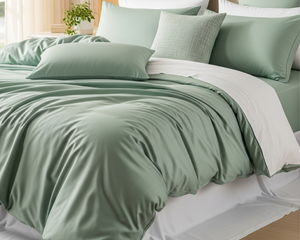
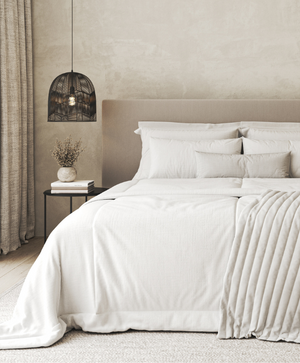
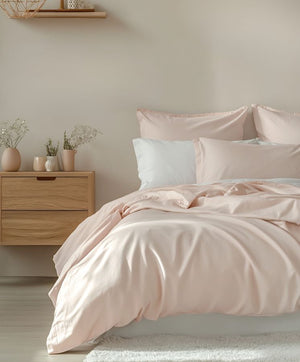
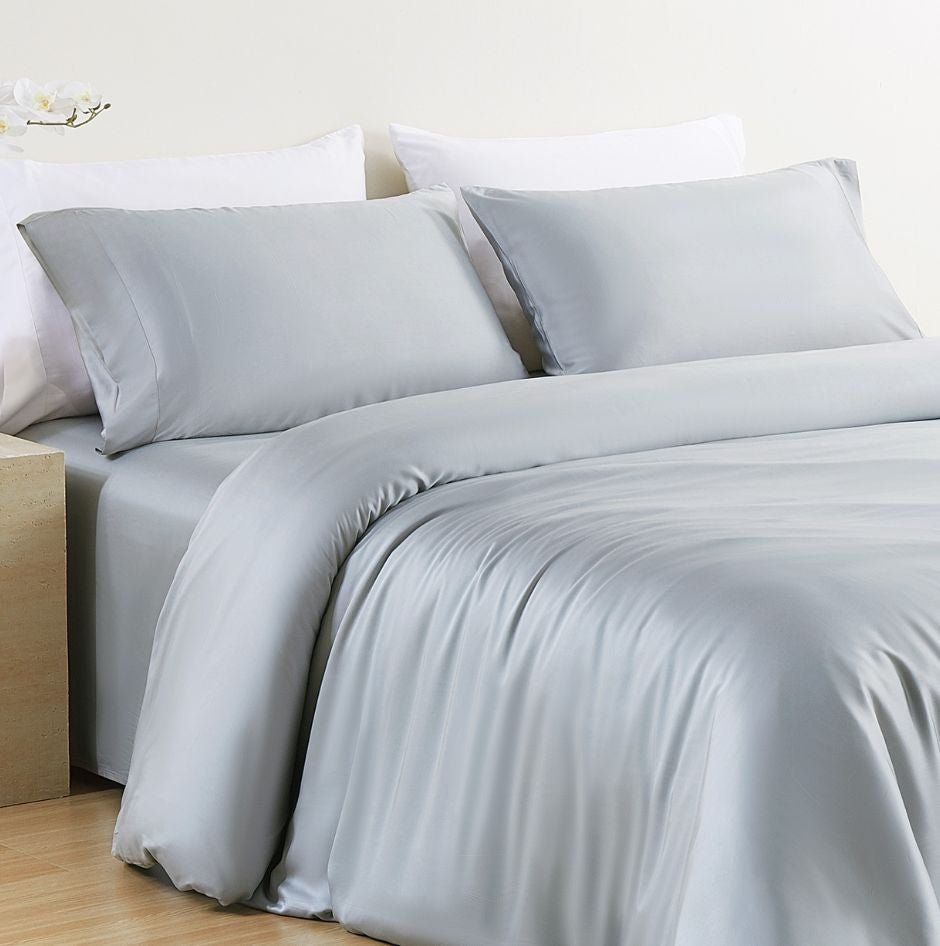
If you wake up at 2 a.m. throwing one leg out from under the covers, your duvet is not neutral - it is part of the problem. The right cooling duvet for hot sleepers can change the entire feel of a bed, not by making it cold, but by helping your body release heat instead of trapping it all night.
That distinction matters. Most overheated sleep is not caused by one dramatic issue. It is usually the result of small layers of heat retention - synthetic fill, dense fabric, poor airflow, and moisture that stays close to the skin. A duvet that looks plush and luxurious can still sleep uncomfortably warm if the materials are working against you.
What a cooling duvet for hot sleepers should actually do
A high-performing duvet should regulate temperature, not just feel cool for the first few minutes. Those are very different experiences. Many products are marketed as cooling because the shell fabric feels smooth and slightly cool to the touch, but surface sensation fades quickly once the bedding adjusts to body temperature.
For hot sleepers, the real test is whether the duvet continues to breathe over the course of the night. That means allowing excess body heat to escape, moving moisture away from the skin, and avoiding the heavy, insulated feel that causes heat buildup around the torso and legs.
The best options also recover well across seasons. If a duvet is too light, it may leave you uncomfortable once the room temperature drops. If it is too dense, it can become oppressive even in strong air conditioning. Good temperature regulation sits in the middle - insulated enough for comfort, breathable enough for consistent sleep.
Why so many duvets sleep hot
A duvet can look soft, lofty, and expensive while still performing poorly for temperature control. The reason usually comes down to construction.
Synthetic fills tend to trap heat more aggressively than natural or advanced plant-based fibers. They are often chosen because they are affordable and easy to manufacture, but they can create a sealed-in feeling that hot sleepers notice almost immediately. Cotton shells can help with breathability, but cotton alone does not guarantee a cool sleep environment, especially if the fill is dense or the weave is too tight.
Weight also plays a role. Many people assume a heavier duvet feels more luxurious. Sometimes it does. But heavier does not always mean better, particularly if you already sleep warm. Excess loft and thick fill can reduce airflow and increase humidity inside the bed. That is when you wake up warm, damp, and strangely tired even after a full night in bed.
The best materials for cooler sleep
Material quality is where most cooling claims either hold up or fall apart. If you are shopping for performance, the shell fabric and fill both deserve scrutiny.
Bamboo lyocell stands out because it combines softness with practical temperature regulation. The fiber structure is naturally smooth, moisture managing, and breathable, which helps create a drier sleep surface. That matters for hot sleepers because humidity often makes a bed feel warmer than the room itself. When moisture lingers, heat lingers with it.
This is also where material distinctions matter. Not all bamboo fabrics are made the same way, and many shoppers have learned that the hard way. Bamboo viscose and bamboo lyocell may sound similar at first glance, but the manufacturing process and resulting fiber performance are not identical. For a premium sleep environment, cleaner processing, better drape, and more dependable breathability can make a meaningful difference in how bedding performs night after night.
Fill matters just as much. A breathable shell paired with heat-trapping fill is still likely to sleep warm. Hot sleepers tend to do better with lighter, more ventilated fills that create loft without sealing in body heat. The goal is comfort with airflow, not bulk for its own sake.
Cooling does not mean thin or flimsy
One of the biggest misconceptions in this category is that cooler bedding must feel insubstantial. It does not. A well-made duvet can still feel polished, cocooning, and premium while sleeping noticeably cooler than traditional options.
This is where craftsmanship shows. Better materials drape more elegantly across the body instead of sitting stiff and heavy on top of it. That lighter hand-feel can create the sense of luxury many shoppers want, without the thick insulation that tends to trigger overheating.
For couples, this balance is especially useful. Shared beds often run warmer simply because there are two body temperatures under one layer. A duvet that breathes well can reduce the nightly negotiation between one partner who is cold and the other who is pushing the covers away.
How to tell if a duvet is truly cooling
Marketing language in bedding is generous. Almost every product promises breathability, softness, and comfort. The more helpful question is what evidence supports those claims.
Start with the fabric composition. Specificity is a good sign. If a brand clearly explains the shell material, fill type, and why that combination helps regulate temperature, it is more credible than vague phrases like "sleep cooler" or "designed for all seasons." Premium bedding should be able to explain itself.
Next, look for moisture-wicking performance. Many hot sleepers focus only on heat, but moisture is often the bigger issue. If your duvet holds humidity near the body, it can feel muggy and warm even in a cool bedroom. Fabrics that wick and release moisture tend to create a more stable sleep climate.
Certifications matter too, particularly for shoppers with sensitive skin. Bedding sits against the body for hours every night. Chemical safety is not a fringe concern in a premium category - it is part of the product's performance. Materials that are independently tested for harmful substances offer a cleaner, more reassuring foundation for rest.
What hot sleepers should avoid
If you consistently overheat, extra lofty down-alternative duvets with dense synthetic fill are often the first thing to question. They can feel inviting in a product photo and stifling in real life. The same goes for heavily brushed fabrics that are designed more for warmth than airflow.
Be cautious with products that emphasize weight as a sign of quality. In bedding, performance is more nuanced than heft. A duvet should support sleep, not overwhelm it.
It is also worth watching for bamboo products that rely on the fiber name more than the actual construction. Bamboo as a category has strong consumer appeal, but the details behind the fabric determine whether the duvet will feel elevated and breathable or simply soft at first touch.
The role of your duvet cover
Even the best duvet insert can lose its cooling advantage if the cover is wrong. A heavy, tightly woven cover can trap heat and reduce airflow, which means your insert has to work harder than it should.
For hot sleepers, the ideal cover should echo the same priorities as the duvet itself: breathability, moisture management, and a smooth hand-feel that stays comfortable against the skin. This is one reason bamboo lyocell bedding systems tend to feel so cohesive. When the insert and cover are both designed for airflow and softness, the bed performs more consistently.
Texture matters here as well. Crisp percale can feel airy to some sleepers, while others prefer a silkier drape that stays cool without feeling dry or stiff. It depends on personal preference, room temperature, and how much insulation you want from the full bed setup.
Is a cooling duvet worth it?
For occasional warm nights, maybe not. Lowering the thermostat or changing sleepwear may be enough. But if overheating is a pattern - if you wake up sweating, toss off the covers, or avoid duvets altogether because they feel too warm - then a cooling-focused duvet can be one of the highest-impact upgrades in the bedroom.
It improves more than comfort. Better temperature regulation can reduce sleep interruptions, help the body settle more easily, and make the bed feel inviting instead of frustrating. That shift is hard to quantify until you experience it. Then it becomes difficult to go back.
For shoppers who care about wellness, skin comfort, and long-term material quality, a premium option is often worth the investment. The point is not simply to buy a lighter blanket. It is to choose bedding engineered to support a calmer sleep environment, night after night.
A cooling duvet should feel like relief, not compromise. When the materials are right, the bed keeps its softness, polish, and serene cascade - but finally lets your body rest the way it deserves to.


