

Cart
0



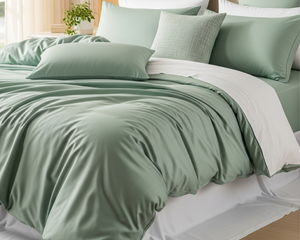
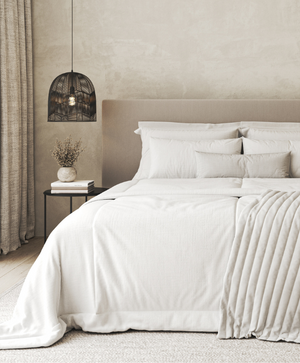
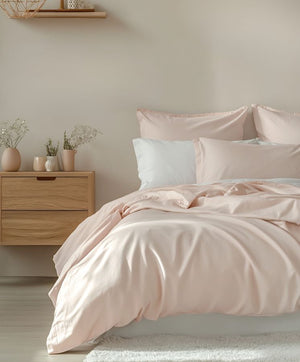
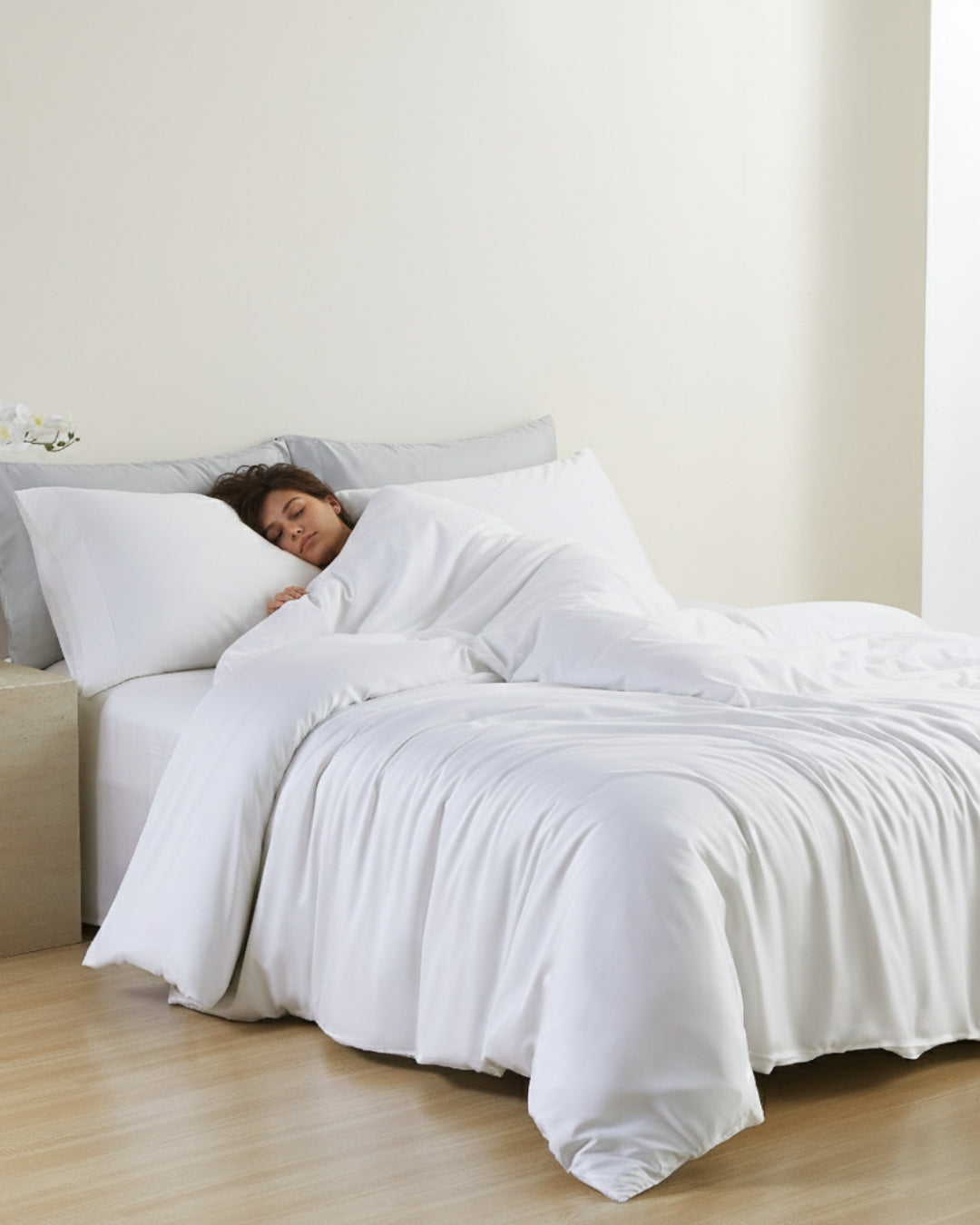
If you wake up with damp sheets, one leg outside the covers, and the thermostat becoming a nightly negotiation, the question is fair: do cooling sheets actually work? The short answer is yes, but not every sheet sold as “cooling” delivers the same result. Some fabrics genuinely help regulate heat and move moisture away from the body. Others simply feel cool for a few minutes and then trap warmth as the night goes on.
That distinction matters because overheating at night is rarely caused by one thing alone. Your body temperature shifts as you sleep. Your mattress may hold heat. Your comforter could be too insulating. And your sheets, which sit directly against your skin for hours, can either help that system breathe or quietly make it worse.
Do Cooling Sheets Actually Work, or Is It Marketing?
Cooling sheets can work, but only if the material itself has properties that support temperature regulation. The term “cooling” is often used loosely, which is why so many shoppers end up disappointed. A sheet can be smooth, soft, and expensive and still sleep warm.
What actually helps is a combination of breathability, moisture management, and low heat retention. Breathable fabrics allow air to circulate around the body instead of sealing heat in. Moisture-wicking fabrics pull perspiration away from the skin so sweat evaporates more easily. Low heat-retaining fibers do not hold onto warmth the way denser or more synthetic materials often do.
So yes, cooling sheets are real. But the effect depends far less on the label and far more on fiber type, construction, and finish.
What Makes Sheets Feel Cooler at Night
A genuinely cooler sheet usually performs in two ways. First, it creates an immediately fresh hand feel against the skin. Second, and more important, it continues to regulate temperature over several hours of sleep.
Those are not always the same thing. Some fabrics feel cold when you first get into bed because they are smooth and conduct surface heat quickly. That initial sensation can be pleasant, but it does not guarantee all-night comfort. If the fabric is not breathable or cannot move moisture well, the bed may still feel stuffy by 2 a.m.
The best cooling sheets are built for sustained performance. They help disperse heat, reduce trapped humidity, and stay comfortable even if you naturally sleep warm or share a bed with a partner.
Fiber content matters most
If you want to know whether a cooling sheet is likely to work, start with the fiber.
Bamboo lyocell is one of the strongest options for hot sleepers because it is exceptionally smooth, breathable, and effective at moisture management. It drapes beautifully, feels cool without being slick, and tends to maintain a more balanced sleep temperature through the night. This is different from bamboo viscose, which may be marketed similarly but is produced through a different process and does not always offer the same standard of cleanliness or performance.
Cotton can also sleep cool, especially in lighter percale constructions. But cotton varies widely. Crisp long-staple cotton percale can feel airy and fresh, while heavier cotton sateen often feels warmer and more insulating.
Linen has excellent airflow and can be very effective for heat management, though some sleepers find it too textured or dry against sensitive skin. Microfiber and polyester blends are usually less effective for hot sleepers because they tend to retain heat and humidity rather than release it.
Weave changes the experience
Weave influences how a sheet performs almost as much as fiber does. Percale is typically cooler and crisper because of its one-over, one-under structure, which allows more airflow. Sateen has a silkier, more lustrous finish, but it is usually denser and often sleeps warmer.
With bamboo lyocell, the feel is naturally smooth and fluid, so you can get a luxurious hand feel without the heavy, heat-holding effect that some sateen cottons have. That is one reason premium bamboo lyocell bedding appeals to people who want both softness and temperature regulation, not just one or the other.
Why Some Cooling Sheets Fail
The biggest reason cooling sheets disappoint is that many products promise a result without using a material capable of delivering it. “Cooling” may refer to a finish, a marketing story, or a temporary surface treatment rather than the actual nature of the fabric.
That is why a set may feel impressive out of the package and still leave you overheated a week later. If the cooling effect depends on a coating instead of the fiber itself, it often fades. If the fabric is heavy, tightly woven, or synthetic-rich, heat can build over time even if the first touch feels cool.
Thread count can be misleading too. Many shoppers are taught to equate higher thread count with higher quality, but very high thread counts can create a denser fabric with less airflow. For hot sleepers, that is not always an upgrade.
And then there is the rest of the bed. Cooling sheets can help, but they cannot fully compensate for a heat-trapping mattress protector, foam mattress, or overly warm duvet. Bedding works as a system.
Who Benefits Most From Cooling Sheets
Cooling sheets tend to make the biggest difference for people who consistently sleep warm, experience night sweats, or live in warmer climates. They can also be a smart choice for couples, especially when one person runs hotter than the other.
People with sensitive skin often notice another benefit: less heat and less moisture can mean less irritation. Smooth, breathable fabrics create a gentler sleep surface, particularly when they are made without harsh chemical residues. For shoppers who care about wellness as much as comfort, that combination matters.
If you only overheat occasionally, the effect may feel more subtle. You may not suddenly sleep cold, but you may notice fewer wakeups, less clinginess in the fabric, and a bed that feels fresher over the course of the night.
How to Tell if a Cooling Sheet Is Worth Buying
Look past the front-of-package language and focus on specifics. A credible cooling sheet should clearly state its fiber content, not hide behind vague terms like “bamboo blend” or “performance fabric.” It should also tell you something about construction, certification, and how the material was produced.
For example, if a brand distinguishes bamboo lyocell from bamboo viscose, that is usually a sign that it understands the material category rather than using bamboo as a broad marketing shortcut. If it references third-party safety standards such as OEKO-TEX certification, that adds another layer of confidence for people who are careful about skin contact and chemical exposure.
You should also pay attention to how the product describes performance. The strongest brands speak precisely. They talk about breathability, moisture wicking, softness, and temperature regulation in measurable, material-based terms. They do not rely on empty language or try to sell visual luxury alone.
Do Cooling Sheets Actually Work Better Than Regular Sheets?
For the right sleeper, yes. A well-made cooling sheet can outperform a standard cotton or synthetic set in comfort, dryness, and overnight temperature balance. But “better” depends on your needs.
If you sleep comfortably in almost any environment, you may care more about texture, weight, or appearance than thermal performance. If you wake up overheated several nights a week, cooling sheets are not a minor upgrade. They can meaningfully change how your bed feels and how well you rest.
The best results usually come from premium natural or regenerated cellulosic fibers with proven moisture management, paired with a breathable overall sleep setup. That is where luxury and function should meet. Beautiful bedding should not just look serene on the bed. It should actively support better sleep.
What to Expect Realistically
Cooling sheets are not air conditioning. They will not make a hot room feel cold, and they will not override every other factor in your bedroom. What they can do is reduce heat buildup, feel fresher against the skin, and help create a drier, more comfortable sleep environment.
That may sound modest, but in practice it can be significant. Better temperature regulation often means fewer sleep interruptions. Fewer interruptions can mean deeper rest, a calmer bedtime routine, and mornings that feel less depleted.
For shoppers investing in premium bedding, that is the real standard. Not hype. Not a passing cool touch. Real, repeatable comfort night after night.
If you are choosing between ordinary softness and performance-driven softness, choose the fabric that does more while you sleep. The right sheets should not ask you to believe the marketing. You should be able to feel the difference by morning.


