

Cart
0



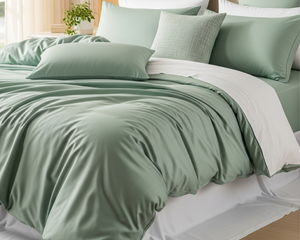
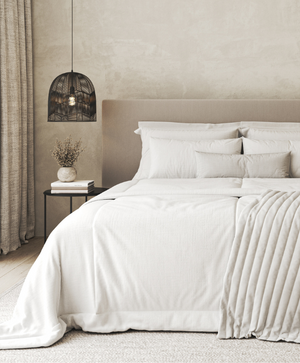
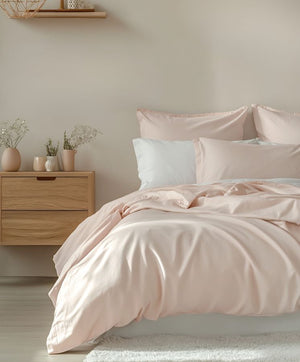
Few things disrupt a well-designed bedroom faster than waking up damp, overheated, and tangled in sheets that feel heavy against your skin. Understanding how moisture wicking sheets help begins with a simple idea: better bedding should not merely feel soft when you first climb in. It should help manage the heat and perspiration your body produces through the night, so your sleep surface stays more comfortable when rest matters most.
For hot sleepers, warm-climate households, couples with different sleep temperatures, and anyone who experiences night sweats, this function can change the entire feel of the bed. The right fabric creates a lighter, drier environment that supports deeper rest without asking you to sacrifice the polished, inviting look of luxury bedding.
How Moisture Wicking Sheets Help Manage Night Sweats
Moisture wicking is a fabric’s ability to draw perspiration away from the skin and disperse it across a wider area of the material. Rather than allowing moisture to remain concentrated beneath your body, wicking fibers move it into the sheet, where it has more opportunity to evaporate.
That distinction matters. Sweat itself is part of the body’s natural cooling process, but when moisture stays trapped between your skin, pajamas, mattress, and sheets, it can leave you feeling clammy. You may wake up, throw off the covers, then feel chilly once the moisture cools. This cycle can interrupt sleep even when you do not fully remember waking.
Moisture wicking sheets help reduce that sticky, saturated feeling by keeping the immediate surface against your skin drier. They do not stop your body from sweating, nor are they a medical solution for persistent or severe night sweats. What they can do is make the physical environment of sleep more accommodating, particularly when paired with breathable layers and a room temperature that supports rest.
Wicking and cooling are related, but not identical
“Cooling” is often used as a catchall term in bedding, yet its performance comes from several separate qualities. Moisture wicking moves perspiration. Breathability allows heat and humid air to pass through the fabric. Temperature regulation describes how well a material helps prevent the bed from feeling excessively warm or cold over time.
A sheet can feel cool at first touch but still trap heat later in the night. Conversely, a fabric may not have a dramatic cold-to-the-touch finish but may offer better sustained comfort because it breathes and manages moisture effectively. For sleepers who wake hot at 2 a.m., sustained performance is usually more valuable than a brief cool sensation at bedtime.
Why Fiber Choice Changes the Experience
Not all moisture wicking sheets perform the same way. Construction, weave, weight, finishing treatments, and fiber chemistry all influence how a sheet handles warmth and humidity. A premium sheet set should feel refined, but it should also earn its place in your bedroom through measurable everyday comfort.
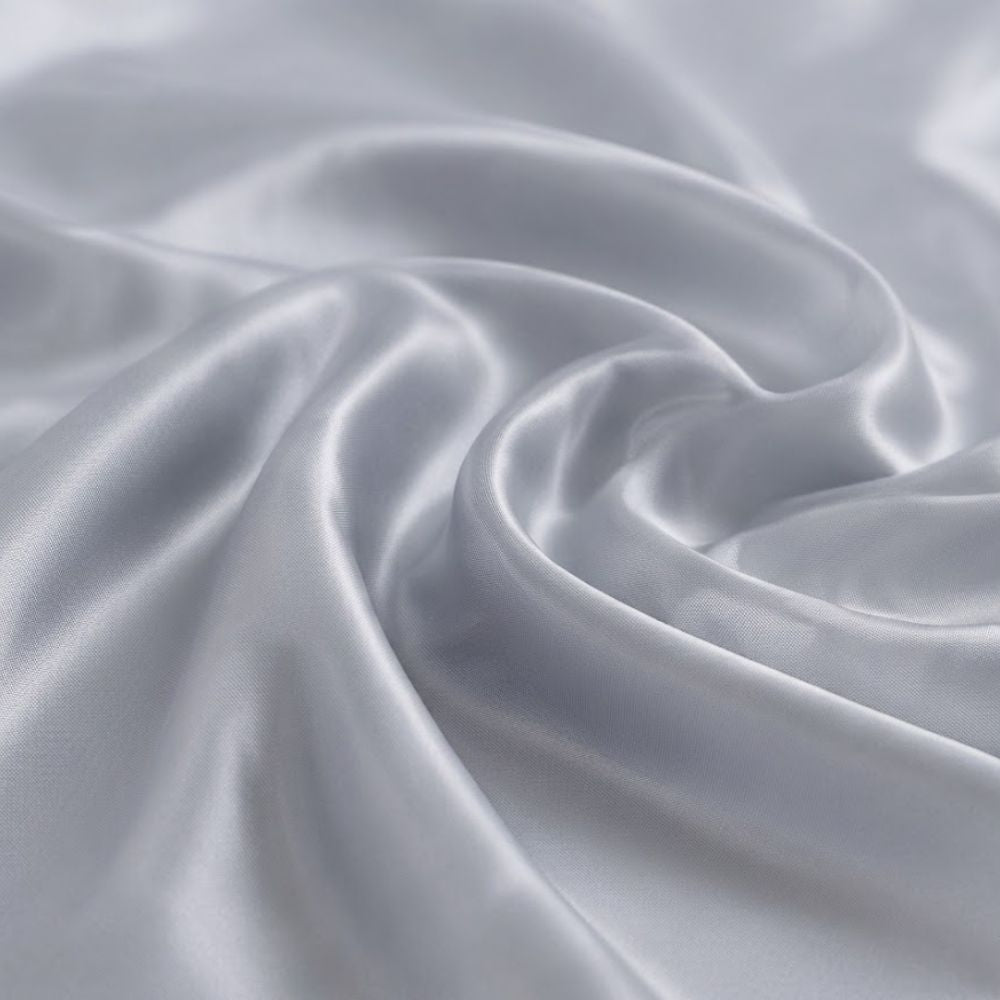
Bamboo lyocell is especially well suited to this balance. Its fibers are engineered to absorb and release moisture efficiently while maintaining a smooth, supple hand feel. The result is a fabric that can feel beautifully fluid against the skin without the dense, heat-holding sensation that some traditional bedding materials create.
This is also where material transparency matters. Bamboo lyocell and bamboo viscose are often grouped together in product descriptions, though they are made through different manufacturing processes. Bamboo lyocell is produced in a closed-loop process designed to recover and reuse much of the water and solvents involved. Bamboo viscose, by comparison, generally relies on a more chemically intensive conversion process. For shoppers who care about both sleep performance and cleaner material choices, the distinction is worth understanding.
At Verleu, bamboo lyocell is chosen for more than its elegant drape. It supports a sleep environment that feels cooler, smoother, and more composed night after night, while aligning premium comfort with considered production.
A Drier Sleep Surface Can Feel Better on Sensitive Skin
When skin is warm, sweaty, or easily irritated, texture becomes more noticeable. Rough fibers, heavy finishes, and lingering moisture can make a bed feel less restful than it should. Moisture wicking sheets help by limiting the dampness that can increase friction and leave skin feeling uncomfortable.
The smoothness of the fabric matters, too. High-quality bamboo lyocell has a naturally sleek surface that glides gently across the skin. This can be particularly appealing for people who prefer bedding without a crisp, stiff feel or who find that coarse sheets become distracting over the course of the night.
Sensitive skin needs a thoughtful approach, however. Moisture management is only one part of the equation. Look for bedding made without unnecessary harsh chemical finishes and with credible textile safety certifications, such as OEKO-TEX certification where applicable. Laundering with a mild detergent and avoiding excess fabric softener can also help preserve both the fabric’s performance and a cleaner sleep surface.
The Benefits Are Most Noticeable for Certain Sleepers
Anyone can appreciate a bed that stays fresh and comfortable, but moisture wicking sheets tend to be especially valuable in a few common situations. If you sleep warm year-round, share a bed with someone who radiates heat, live in a humid region, or use bedding that feels stuffy after several hours, moisture management may be a meaningful upgrade.
They can also be helpful during seasonal temperature swings. A room that feels pleasant at bedtime can become warmer under layered bedding, especially when the body settles into sleep. Sheets that breathe and wick moisture offer a more forgiving foundation than fabrics that hold onto humidity.
For couples, moisture wicking sheets will not make both sleepers experience temperature in exactly the same way. One person may still prefer a lighter comforter while the other wants more insulation. Yet a breathable, moisture-managing sheet set is a smart shared starting point because it reduces the heat and dampness that build closest to the body.
What Moisture Wicking Sheets Cannot Do Alone
Even exceptional sheets work within the larger sleep system. If your mattress protector is waterproof and non-breathable, it can trap heat beneath the fitted sheet. A thick synthetic comforter, flannel pajamas, poor bedroom airflow, or an overly warm thermostat can also limit what the sheets can accomplish.
Consider the bed as a set of layers. Start with a breathable mattress protector, add moisture wicking sheets, then choose a comforter or duvet insert suited to your personal warmth needs. Lightweight, breathable sleepwear can further support the system. These details do not need to make the bedroom feel clinical. They simply allow your bedding to perform as intended.
Humidity is another trade-off. In very humid conditions, evaporation naturally happens more slowly, so even strong moisture-wicking fabric has less opportunity to release moisture into the air. Air conditioning, a fan, or improved ventilation can make a noticeable difference in how fresh the bed feels.
How to Keep Wicking Sheets Performing Beautifully
Luxury bedding should be cared for with the same restraint that went into its construction. Wash moisture wicking sheets in cool water on a gentle cycle with a mild detergent. Skip bleach and heavy fabric softeners, which can leave a coating on fibers and diminish their ability to absorb and release moisture effectively.
Tumble dry on low heat or line dry when practical. Excessive heat can be hard on fine fibers and may shorten the life of the fabric. Removing sheets promptly after drying also helps preserve their smooth finish, so the bed retains that serene, freshly made appearance without demanding extra effort.
A second set of sheets is a practical luxury. Rotating between two sets gives each one time to rest between washes and makes it easier to keep your bed consistently clean, inviting, and ready for sleep.
The best bedding does more than decorate a room. It quietly supports the rituals that help you feel restored: a shower before bed, a cool dark space, and sheets that remain soft and dry when the night grows warm. Choose materials that work with your body, and your bed can become the place where comfort finally holds its promise.


