

Cart
0



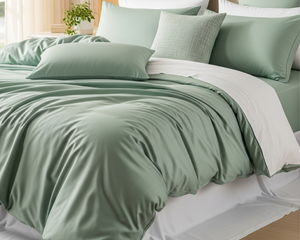
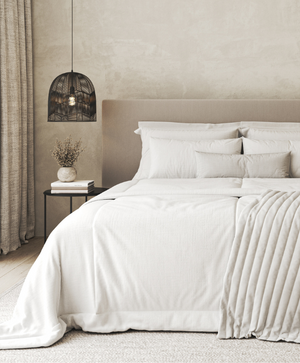

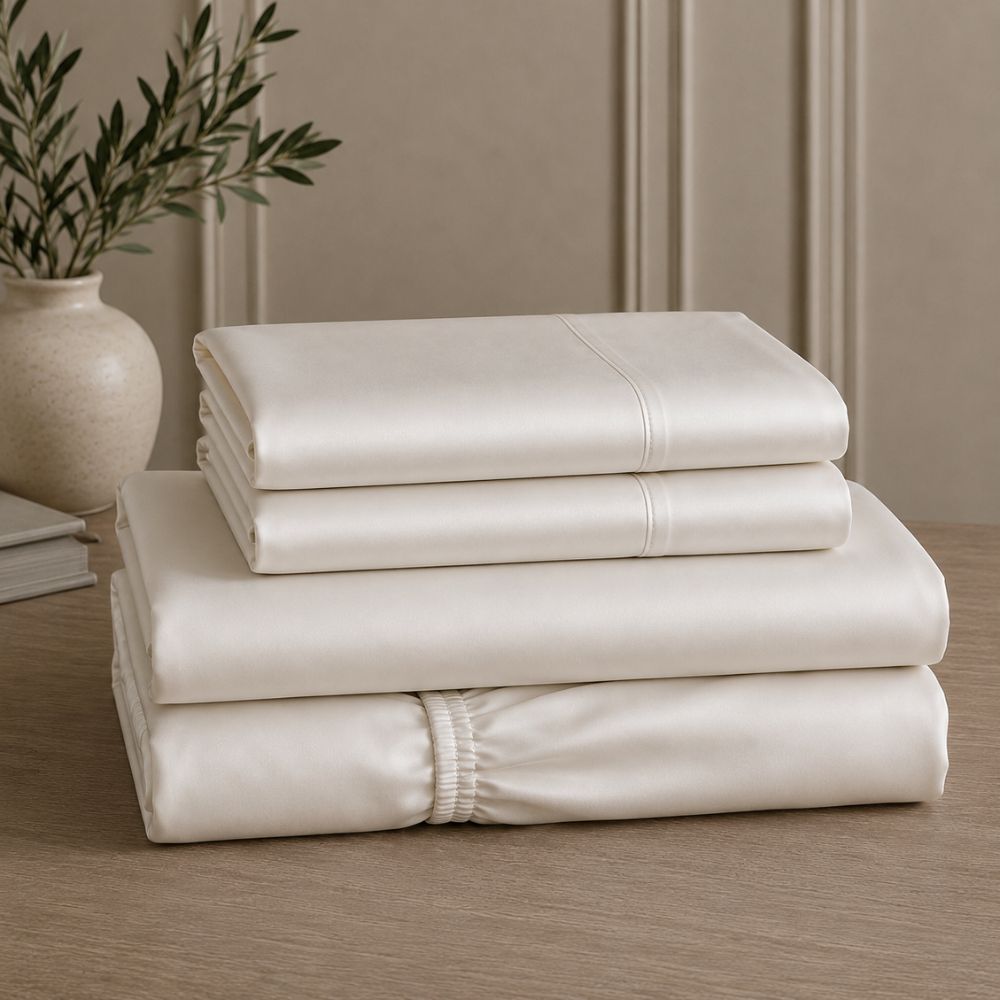
Luxury bedding should not feel high-maintenance. But if you have ever pulled a sheet set from the dryer and found it less silky, less cool, or slightly rougher than before, you already know that fabric care changes how bedding performs. Knowing how to wash bamboo lyocell bedding is what keeps that fluid drape, cool-to-the-touch feel, and clean finish intact over time.
Bamboo lyocell is not delicate in the fussy sense. It is strong, breathable, and exceptionally smooth. What it does need is thoughtful care. The wrong detergent, too much heat, or an overloaded machine can wear down the qualities you bought it for in the first place - softness, temperature regulation, moisture management, and a cleaner sleep surface.
How to wash bamboo lyocell bedding without damaging it
The best approach is simple: wash in cold water on a gentle cycle with a mild liquid detergent, then dry on low heat or air dry when possible. That is the core formula. Where people go wrong is usually in the details.
Start by separating your bamboo lyocell bedding from rougher items like towels, denim, or anything with zippers and hooks. Friction is one of the fastest ways to dull a smooth fabric. Sheets and pillowcases should have room to move in the wash, so avoid cramming the drum too full.
If your bedding is visibly stained, treat the spot before washing, but keep it gentle. A small amount of mild detergent worked into the area is usually enough. Aggressive stain removers and bleach-based products can compromise the fibers and leave the fabric feeling less refined.
Once washed, remove bedding promptly. Letting it sit wet in the machine can create creasing and a stale odor that defeats the point of fresh sheets. If you use a dryer, choose the lowest practical heat setting and pull the bedding out while it is just dry or even slightly damp. Overdrying is a common reason premium sheets lose their elegant hand feel.
Why bamboo lyocell needs different care than cotton
Many shoppers assume all bedding can be treated the same way. That is where cotton habits can cause problems. Cotton often tolerates hotter water, heavier detergents, and more aggressive drying. Bamboo lyocell performs best with a lighter touch.
Its appeal comes from a finer, smoother fiber structure. That structure helps create the cooling, moisture-wicking, gentle-on-skin surface that makes bamboo lyocell so prized among hot sleepers and anyone sensitive to rough textures. Excess heat and chemical-heavy wash products can gradually strip away that softness.
This does not mean the fabric is fragile. It means the care routine should match the material science. Premium performance textiles reward precision. When you wash them properly, they keep delivering the sleep experience they were designed for.
The detergent question matters more than most people think
Use a mild, liquid detergent with no bleach and no fabric softener. Powder detergents can leave residue, especially in cooler washes, and that residue can sit on the fabric rather than rinsing fully clean. The result is often a sheet that feels coated instead of clean.
Fabric softener sounds helpful, but it usually works against bamboo lyocell. It can leave behind a film that interferes with breathability and moisture management. If your goal is cooling comfort, the last thing you want is buildup that makes the bedding less breathable.
Fragrance intensity is another factor worth considering. If you chose bamboo lyocell because you care about skin comfort and cleaner materials, heavily perfumed detergents may not align with that goal. A gentle, low-residue formula is usually the better fit.
Is warm water ever okay?
Cold water is the safest choice for routine washing, especially for preserving softness and minimizing wear. Warm water can be acceptable in some cases, particularly if you are dealing with heavier soil, but it should still be modest - never hot.
Hot water is where the trade-off becomes less favorable. While it may feel more sanitizing, it also increases the chance of shrinkage, fiber stress, and a less fluid finish. For most households, frequent hot washing is unnecessary if you are laundering bedding consistently and drying it thoroughly.
Drying bamboo lyocell bedding the right way
Drying deserves as much attention as washing. In many cases, the dryer does more damage than the wash cycle itself.
Low heat is the standard. Air drying is even gentler if you have the time and space. Some people prefer to line dry or hang sheets indoors and then tumble them on low for a few minutes at the end to soften and release wrinkles. That can work well, especially if you like a polished bed without exposing the bedding to a full high-heat dry.
If you are using a machine dryer from start to finish, avoid dryer sheets for the same reason you skip fabric softener. They often leave residue that affects the fabric's natural performance. Wool dryer balls are a better option if you want help with airflow and soft movement.
The key is restraint. High heat may seem efficient, but it is not efficient if it shortens the life of premium bedding.
Common mistakes when learning how to wash bamboo lyocell bedding
Most damage happens through routine habits, not dramatic mishaps. People wash luxury sheets the way they wash gym clothes, kids' towels, or old cotton basics, then wonder why the feel changes.
One common mistake is using too much detergent. More soap does not mean cleaner bedding. It often means more residue trapped in the fabric. Another is washing bamboo lyocell with abrasive household textiles that create unnecessary friction. A third is leaving the bedding in the dryer too long because it feels easier to run a full hot cycle and forget about it.
Bleach is also a problem, even when used sparingly. If you are trying to brighten white bedding, bleach may seem like the obvious solution, but it is harsh on the fibers and can undermine the finish. Oxygen-based alternatives are generally safer, though even then, moderation matters.
There is also the issue of infrequent washing. While overhandling can cause wear, underwashing allows body oils, sweat, and residue to accumulate. That buildup can make even premium bedding feel heavier and less fresh.
How often should you wash bamboo lyocell bedding?
For most people, every one to two weeks is ideal. If you sleep hot, sweat at night, use skincare products that transfer to your pillowcase, or share the bed with pets, weekly washing is often the better standard.
Pillowcases may deserve even more frequent care, especially for sensitive skin. A cleaner sleep surface is part of the benefit of bamboo lyocell, but it only stays that way if the bedding is laundered regularly.
Comforters and duvet covers follow a different rhythm. Duvet covers usually need washing more often because they sit closest to the body. Comforters can often go longer, depending on whether they are used with a cover and how heavily they are soiled. Always check the care label for fill-specific instructions.
Keeping the luxury feel wash after wash
If you invested in bamboo lyocell for its cool hand, elegant drape, and skin-friendly finish, care is part of preserving value. Think of laundering less as a chore and more as maintenance for performance.
A few habits make a noticeable difference. Wash bedding separately or with similarly soft items. Keep temperatures low. Use less detergent than you think you need. Dry gently and remove promptly. Store the bedding fully dry in a cool, clean space so it stays fresh between uses.
This is one reason premium brands such as Verleu place so much emphasis on material integrity. Bamboo lyocell is engineered to offer a more refined sleep experience than many conventional fabrics, but performance only lasts when the care routine supports it.
There is no need to overcomplicate the process. Wash gently, avoid harsh chemistry, and respect heat. Do that consistently, and your bedding will keep the soft, serene finish that makes getting into bed feel like the best part of the day.


