

Cart
0



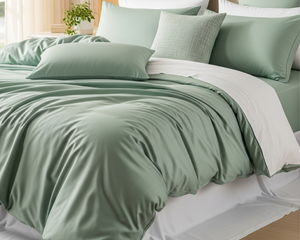
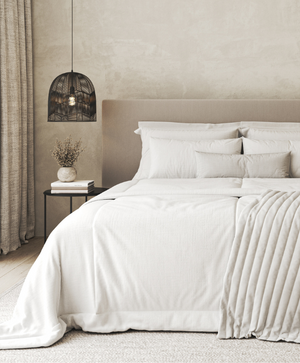
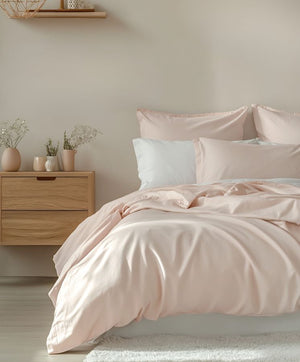
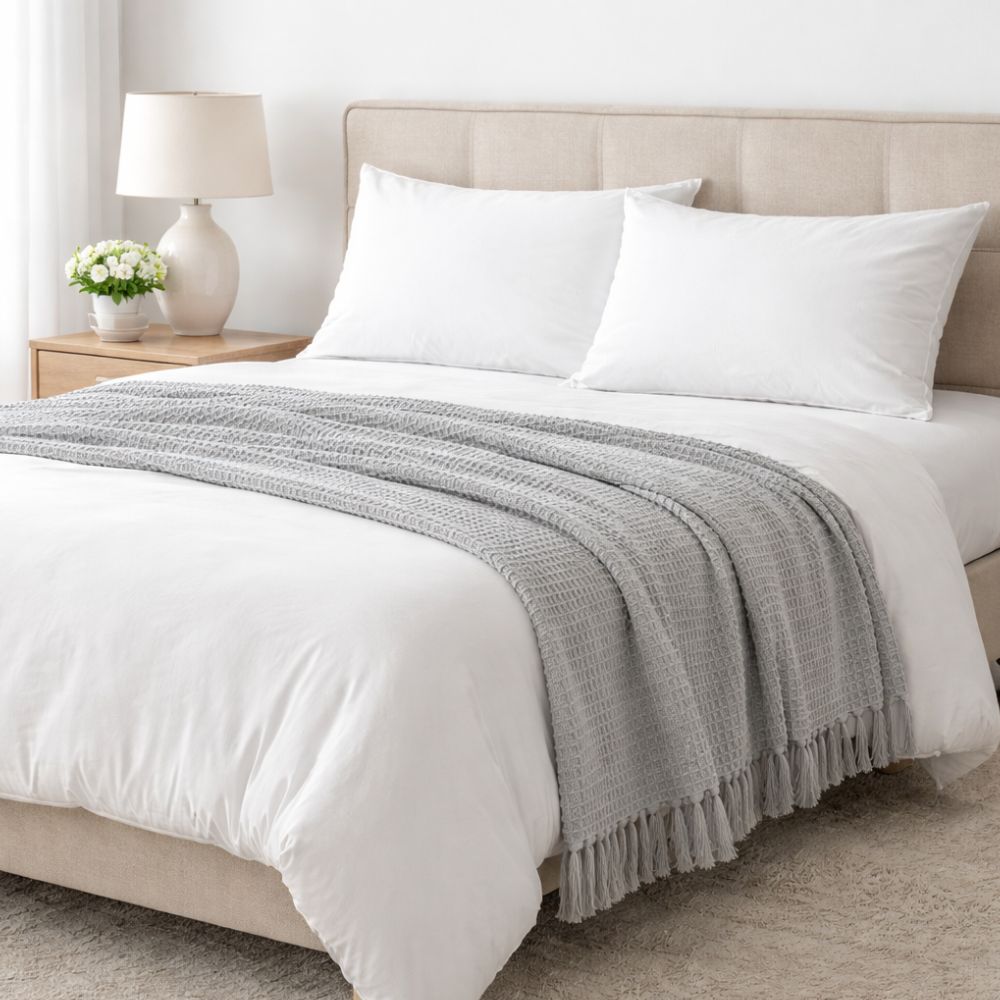
The difference between a restless, overheated night and deeply restorative sleep is often not your thermostat. It is the system directly around your body: your mattress, protector, sheets, blanket, and the way those layers manage heat and moisture. Learning how to build a cooler bed means looking beyond a single “cooling” product and creating a sleep environment that lets excess warmth escape instead of trapping it beneath the covers.
For hot sleepers, this distinction matters. A bed can feel cool when you first climb in, then become uncomfortably warm by 2 a.m. as dense materials hold onto body heat and humidity. The goal is not to make your bed cold. It is to create a balanced, breathable sleep surface that stays dry, soft, and comfortable as your temperature naturally shifts through the night.
Start With the Heat Trapped Below You
Your mattress is the largest component of your bed, and it can either support airflow or quietly undermine every cooling layer you add on top. Traditional high-density memory foam is a common culprit for sleepers who feel heat building from beneath them. Foam conforms closely to the body, which can reduce the space available for air circulation and retain warmth over time.
That does not mean every foam mattress sleeps hot, or that you need to replace a mattress immediately. Mattress construction varies widely. Hybrid designs with coils tend to allow more internal airflow than solid foam models, while latex can offer a more responsive, breathable feel than dense memory foam. If your mattress is otherwise supportive and comfortable, begin by improving the layers above it before making a major change.
A breathable mattress topper may help when the mattress feels warm but still provides proper support. Choose materials designed for ventilation rather than thick, plush cushioning. The trade-off is straightforward: extra loft can feel luxurious, but each dense layer creates another place for heat to collect. For people who routinely wake sweaty, a slimmer, more breathable setup is usually the better investment.
Choose a Mattress Protector That Does Not Seal In Heat
A mattress protector is sensible for protecting an investment, especially in homes with pets, children, or allergies. But many waterproof protectors rely on thick plastic-like barriers that restrict airflow and create a noticeable heat-trapping effect.
Look for a protector with a thin, breathable waterproof membrane and a fabric surface that can move moisture away from the body. It should fit smoothly without bunching or changing the feel of the mattress. A protector cannot make an inherently warm mattress cool, but choosing the wrong one can make a comfortable mattress feel far less breathable.
This is one area where “waterproof” and “cooling” require a realistic expectation. Complete liquid protection always involves some form of barrier. The best option is one that balances that protection with vapor permeability, rather than adding a heavy, non-breathable layer directly below your sheets.
How to Build a Cooler Bed With Better Sheets
Your sheets are the layer closest to your skin, so their fiber and weave have an outsized effect on overnight comfort. If you sleep warm, prioritize breathability, moisture management, and a smooth surface that does not cling when humidity rises.
Bamboo lyocell is particularly well suited to this role. Its fibers are engineered in a closed-loop process and can create a fabric with a silky hand feel, excellent moisture wicking, and a naturally breathable drape. Rather than holding perspiration against the skin, high-quality bamboo lyocell helps move moisture across the fabric so it can evaporate more efficiently. The result is a bed that feels fresher and less sticky during warm nights.
Not all bamboo bedding performs the same way. Bamboo viscose is often marketed with similar language, yet it uses a different manufacturing process and may vary significantly in quality, chemical inputs, and long-term performance. For shoppers who care about skin safety and material transparency, it is worth looking beyond the word “bamboo” on a label. Certifications such as OEKO-TEX can offer added reassurance that the finished textile has been tested for harmful substances.
Cotton percale can also be a strong choice for hot sleepers, particularly if you prefer a crisp, structured feel. Linen offers exceptional airflow and a relaxed texture, although it may feel too textured for those who want a smoother sleep surface. Bamboo lyocell is the refined middle ground for many sleepers: breathable and temperature-regulating, with a softer, more fluid finish than percale or linen.
Thread count alone is not a reliable cooling metric. An extremely high thread count can signal a denser weave, which may reduce airflow. Fiber quality, fabric construction, and finish matter far more than an impressive number on the package.
Rethink the Top Layer, Not Just the Sheets
Many people upgrade their sheets while continuing to sleep under a heavy comforter built for winter. That is like opening a window while leaving the heat running. A cooler bed needs each layer to work with the next one.
For year-round comfort, use a lightweight, breathable comforter or duvet insert, then adjust warmth with a separate layer when needed. This gives you more control than relying on one oversized, dense blanket in every season. Couples with different sleep temperatures can also benefit from separate blankets or a split layer arrangement. It is not always the most styled look, but uninterrupted sleep tends to matter more than a perfectly symmetrical bed at 3 a.m.
Fill material makes a real difference. Down can be light and insulating, but its warmth level depends on fill power, fill weight, and construction. A lightweight down or down-alternative comforter may work well in a cool room, while a thick, high-fill option can overwhelm warm sleepers. Look for breathable shell fabrics and choose weight according to your bedroom temperature, not just the season printed on the label.
A bamboo lyocell duvet cover can further improve the feel of the top layer by adding a smooth, moisture-wicking surface around the insert. It will not transform an overly warm comforter into a cool one, but it can prevent the cover itself from becoming another source of heat and friction.
Create Airflow Around the Entire Bed
Cooling bedding manages the microclimate against your skin. Your bedroom still needs to support it. Set the room temperature to a level that feels comfortably cool before bed, and consider a fan if your space tends to feel stagnant. Air movement helps perspiration evaporate, which is one of the body’s most effective cooling mechanisms.
Keep the area beneath the bed as open as practical. Storage bins packed tightly under the frame can limit airflow around the mattress, especially with platform beds. This will not be the deciding factor for every sleeper, but it is a worthwhile adjustment when you are trying to reduce retained warmth.
Your bed frame can also play a supporting role. Slatted foundations generally encourage more ventilation than a solid, unventilated base. If your mattress manufacturer allows it, ensure slats are properly spaced and the mattress is not sitting on a surface that blocks air from moving underneath.
Remove the Small Sources of Overnight Heat
A cooler bed is easier to maintain when your bedtime habits are not working against it. Take a warm shower earlier in the evening rather than immediately before bed, giving your body time to cool naturally. Avoid leaving laptops, heated blankets, or charging devices under the covers. Even small heat sources can make a noticeable difference in a tightly layered bed.
Wash sheets regularly, especially during warmer months or if you sweat at night. Body oils, skin cells, and product residue can reduce a fabric’s fresh feel and make bedding less pleasant against the skin. Use a gentle detergent and skip excessive fabric softener, which can coat fibers and interfere with moisture-wicking performance. Low to medium heat drying, or air drying when possible, helps preserve both softness and fiber integrity.
If night sweats are new, severe, or accompanied by other symptoms, bedding may not be the full answer. Persistent night sweating can have medical, hormonal, medication-related, or environmental causes worth discussing with a healthcare professional.
Build for Your Own Sleep Temperature
The coolest bed is not necessarily the bed with the fewest layers. It is the one with the right layers for your body, room, and preferences. A person in a naturally cool bedroom may need only breathable sheets and a lighter comforter. Someone sleeping on a heat-retaining mattress in a humid climate may need to address the mattress protector, sheets, duvet, and airflow together.
Begin with the layer touching your skin, then work outward. Premium bamboo lyocell sheets, such as those in Verleu’s Héritage collection, create an elegant foundation because they pair a soft, fluid finish with the practical performance hot sleepers need. From there, keep the protector thin, the comforter appropriately light, and the room air moving.
A well-made cooler bed should feel less like a collection of cooling products and more like a quiet invitation to rest. When every layer can breathe, your bedroom becomes the serene, dry retreat your body has been asking for.


