

Cart
0


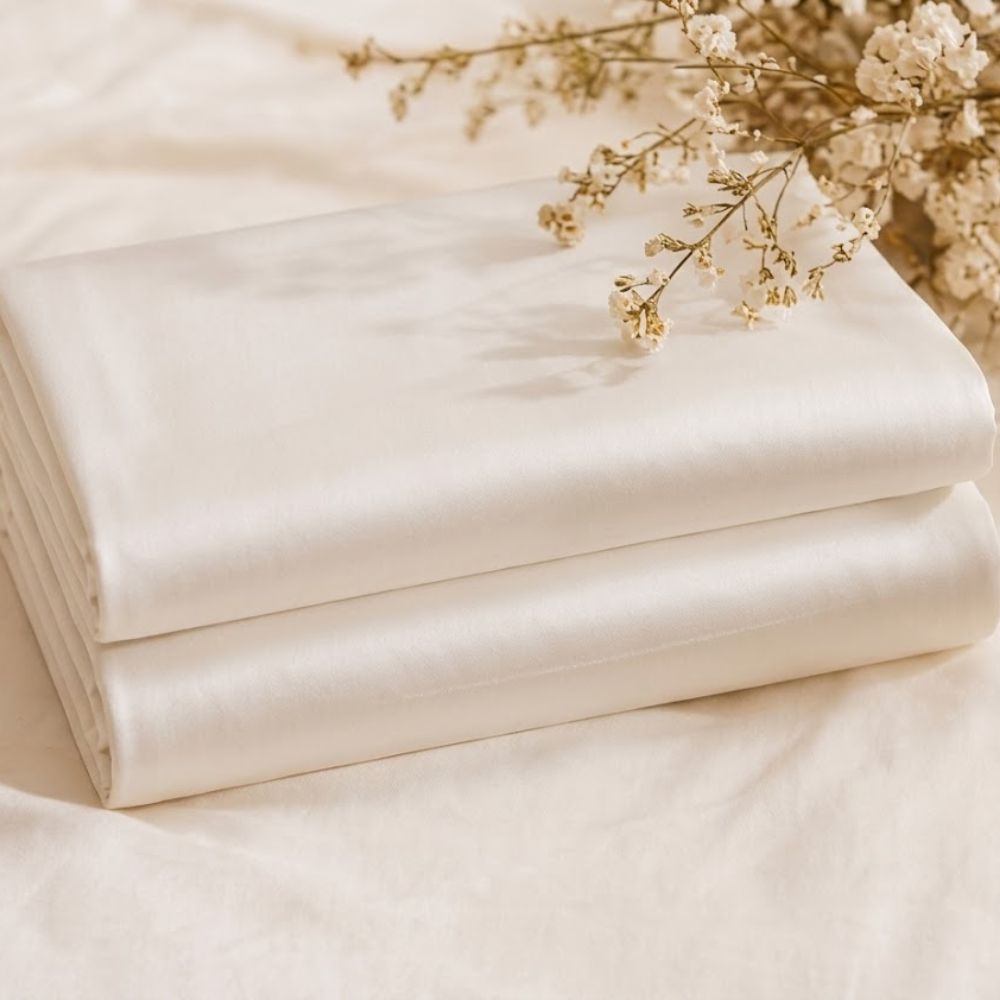
A warm bedroom is one thing. Waking at 3 a.m. damp, tangled in sheets, and suddenly very awake is another. The best breathable bedding materials do more than feel cool for the first few minutes of bedtime. They help move heat and moisture away from the body, so your sleep surface stays composed through the night.
That distinction matters because breathability is often reduced to a marketing phrase. A fabric can feel airy in your hand yet hold moisture once it is layered beneath a comforter. Others may feel crisp but become less comfortable for sensitive skin. The right choice depends on your body temperature, climate, preferred texture, and the quality of the fiber and weave.
What Makes Bedding Truly Breathable?
Breathable bedding manages the small climate between your body and the bed. It allows air to circulate, releases excess warmth, and transports perspiration away from the skin. Those three functions are related, but they are not identical.
Fiber structure is the starting point. Natural fibers and regenerated cellulosic fibers can absorb moisture to varying degrees, while synthetic fibers tend to repel it. Weave is equally influential. A light percale weave has more open airflow than a dense sateen, even when both are made from cotton. Weight, finish, and the fill inside a comforter or duvet also shape how warm the bed ultimately feels.
For hot sleepers, moisture management is often the missing piece. When perspiration remains against the skin, it can make even an air-conditioned room feel uncomfortable. A material that wicks and releases moisture efficiently creates a drier, more polished sleep experience.
Bamboo Lyocell: Refined Cooling With a Softer Finish
Bamboo lyocell is among the strongest options for sleepers who run hot or wake with night sweats. The fiber is engineered from bamboo-derived cellulose in a closed-loop solvent process designed to recover and reuse water and processing materials. The resulting fabric has a smooth surface, elegant drape, and a natural capacity to manage moisture.
Its appeal is not simply that it feels cool. Bamboo lyocell helps move moisture away from the body and release it, which can keep sheets from developing that clammy feeling common in humid nights. The smooth hand also creates less friction against hair and skin than more textured fabrics, making it especially appealing for people who experience irritation or simply prefer a polished, fluid finish.
Not all bamboo bedding is equivalent. Bamboo viscose and rayon are frequently marketed with similar language, but their manufacturing processes differ significantly from lyocell. Shoppers should look beyond the word “bamboo” and ask what the finished fiber actually is, how it was produced, and whether the product has credible third-party testing for harmful substances. At Verleu, this distinction is central: premium comfort should be supported by material transparency, not a vague botanical claim.
Linen: Airy, Distinctive, and Naturally Relaxed
Linen has earned its reputation in warm climates for good reason. Made from flax, its fibers and looser constructions promote airflow beautifully. Linen can absorb moisture without immediately feeling wet, and its relaxed texture gives the bed an effortlessly lived-in character.
The trade-off is tactile. Linen is not naturally silky, and even high-quality linen retains a textured, slightly crisp personality. It softens over time, but sleepers who want a smooth, enveloping sheet from the first night may prefer bamboo lyocell or a fine cotton sateen. Linen also wrinkles readily, which is part of its charm for some and a drawback for others.
Cotton Percale: Crisp Airflow for Traditionalists
A quality cotton percale is a dependable choice for people who love the cool, freshly made feel of a boutique hotel bed. Percale uses a simple one-over, one-under weave that encourages airflow and produces a matte, crisp finish. It is generally more breathable than cotton sateen, particularly at a lighter weight.
Cotton’s performance varies widely. Long-staple cotton and thoughtful finishing make a meaningful difference, while thread count alone does not guarantee cooler sheets. An excessively high thread count can create a denser fabric that limits airflow. Percale can also feel less forgiving than lyocell for dry or sensitive skin, especially before it has softened through washing.
Cotton Sateen: Smooth Comfort With More Warmth
Sateen is also cotton, but its weave changes the experience. The yarns float across the surface, creating a smoother, subtly luminous fabric with a more substantial feel. It can be beautiful for cooler bedrooms, but it is usually not the first recommendation for a person who consistently overheats.
If you enjoy the visual richness and softness of sateen, choose a lighter-weight construction and pair it with a breathable insert. Otherwise, a smooth lyocell sheet offers a more cooling route to that elevated, draped look.
Silk: Luxurious, Gentle, and High Maintenance
Silk is naturally temperature adaptable and exceptionally gentle against skin and hair. It does not trap heat in the way many synthetic satin fabrics do, and it offers an unmistakably indulgent finish. For a pillowcase, silk can be a considered choice for those prioritizing low friction.
For everyday sheets, however, silk asks for more care and a larger investment. It is delicate, can be affected by perspiration and skincare products, and does not provide the same easy-wash practicality as bamboo lyocell, linen, or cotton. It is a specialty material rather than the most versatile answer for a complete cooling bed.
Breathable Bedding Is More Than Sheets
Even the most cooling sheet set cannot compensate for a heat-trapping comforter. If your bed feels warm despite breathable sheets, look at the layer above you. Dense polyester fills, heavy down alternatives, and non-breathable duvet covers can hold warmth close to the body.
A breathable comforter should have fill that allows air to circulate and a shell that can release moisture. Weight matters as well. Many sleepers do best with a lighter comforter for summer and a layered approach for winter, rather than using one heavy insert year-round. A breathable duvet cover in bamboo lyocell, linen, or percale cotton can further improve the system.
Your mattress protector is another quiet factor. Waterproof protectors made with thick vinyl-like layers can block airflow from below, creating a warmer sleep surface regardless of your sheets. If protection is necessary, seek a design that prioritizes breathability rather than treating the protector as an afterthought.
How to Choose for Your Sleep Style
Start with the problem you are trying to solve. For frequent night sweats, prioritize moisture wicking and a smooth surface: bamboo lyocell is particularly well suited. For a sun-washed, textural bedroom in a dry climate, linen brings exceptional airflow and relaxed style. For a crisp, tailored bed, cotton percale remains a classic.
Sensitive skin deserves a more careful filter. Rough texture, heavy finishes, and poorly disclosed chemical treatments may all affect comfort. Look for bedding certified to OEKO-TEX® STANDARD 100, which tests finished textiles for a list of harmful substances. Certification does not mean a product was made without every processing chemical, but it offers a meaningful layer of assurance about what reaches your bed.
Finally, consider the feel you want when you turn down the covers. Cooling should not require settling for a fabric that feels clinical, scratchy, or overly delicate. The most successful bedding balances performance with the sensory pleasure that makes bedtime feel like a restoration, not a recovery.
Choose a material that respects your personal sleep climate, then build the rest of the bed around it. When every layer is selected for airflow, moisture control, and comfort, cooler sleep begins to feel less like a lucky night and more like your standard.


