

Cart
0


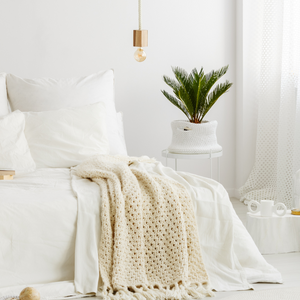
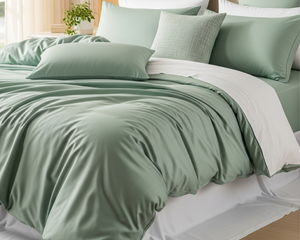
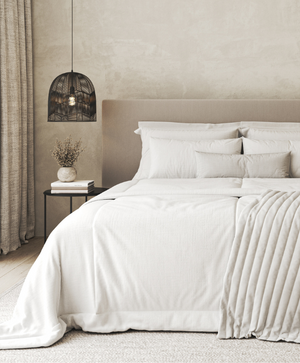
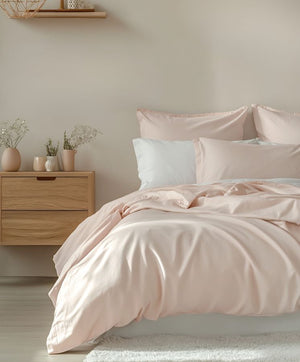
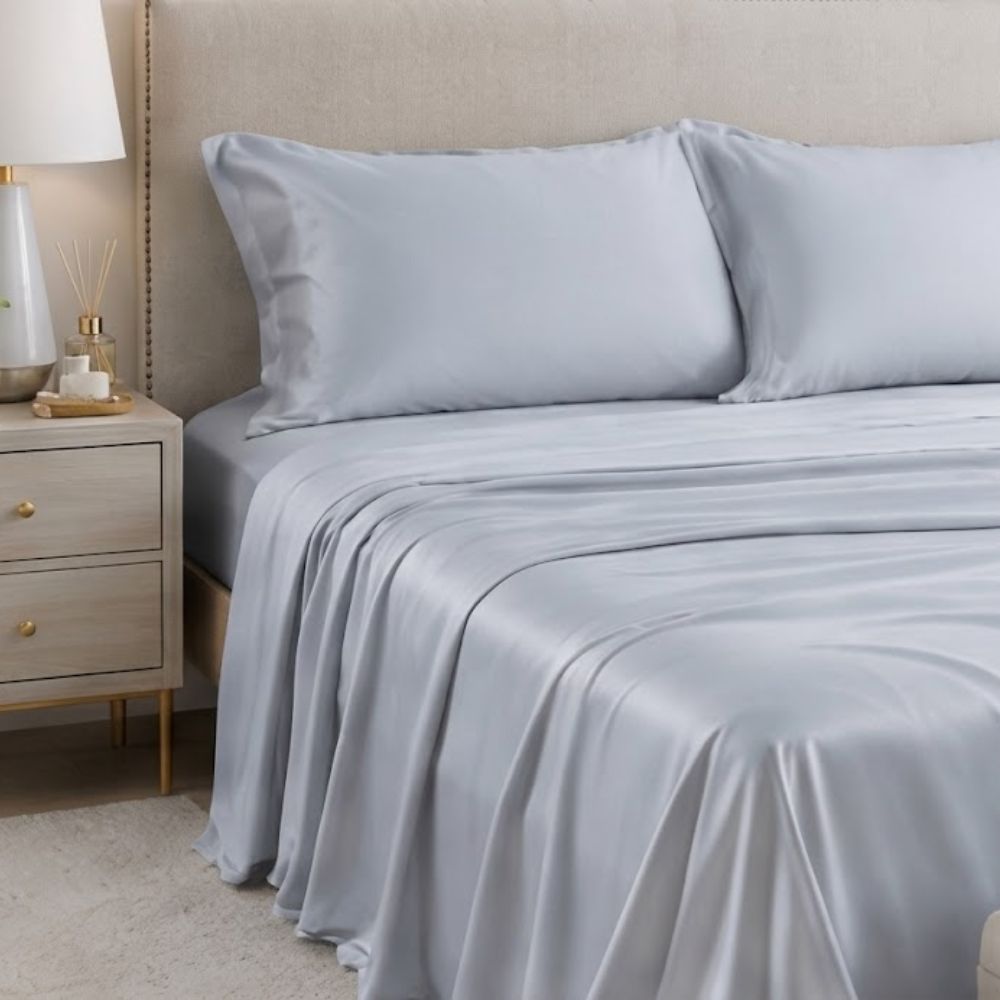
A warm bedroom can turn even the most beautiful bed into a source of frustration. If you wake up damp, kick the covers aside, or find your sheets clingy by morning, the bamboo sheets vs microfiber decision is not simply about softness or price. It is about how your bedding handles heat, moisture, and contact with your skin for eight hours at a time.
Microfiber is widely available, inexpensive, and often remarkably soft straight out of the package. Bamboo bedding, however, can offer a more elevated sleep experience - especially when it is made from bamboo lyocell rather than lower-grade bamboo viscose. The distinction matters because the fiber, the weave, and the manufacturing process all influence how sheets feel long after the first wash.
The Cooling Difference Comes Down to Moisture
The most noticeable difference between bamboo sheets and microfiber is what happens when your body temperature rises. Microfiber is usually made from finely woven polyester fibers. Its dense construction creates a smooth hand feel and can make the fabric more resistant to wrinkles, but it also limits airflow compared with more breathable cellulosic fibers.
Bamboo lyocell is engineered from bamboo pulp into a smooth, fine fiber with a cool-touch sensation and natural moisture management. Rather than leaving perspiration sitting against the skin, it helps move moisture through the fabric so it can evaporate. That does not mean any sheet can override a hot room, a heavy comforter, or hormonal night sweats. It does mean the fabric is less likely to amplify the problem.
For sleepers who run warm, this is where premium bedding earns its place. Cooling should not feel like a thin, scratchy compromise. The best bamboo lyocell sheets feel substantial enough for a composed bed, yet light enough to create a serene cascade around the body rather than a heat-trapping layer.
Microfiber can feel warm despite its light weight
Microfiber sheets are often described as lightweight, which can be misleading. Weight and breathability are not the same thing. A lightweight synthetic sheet may still hold warmth close to the body because polyester is less absorbent and the weave is tightly packed.
Some people enjoy this effect in a cool climate or during winter. If you sleep cold and prefer a cozy, enveloping feel, high-quality microfiber may be a sensible budget choice. For year-round use in a warm home, however, it can feel less adaptable than bamboo lyocell.
Softness Is More Than a First Touch
Both materials can feel soft, but they offer different kinds of softness. Microfiber commonly has a plush, brushed finish. It can feel inviting at first, though that finish may become less luxurious as oils, detergent residue, and friction accumulate over time.
Bamboo lyocell has a smoother, more fluid character. Think of a clean, cool surface with a subtle sheen rather than fuzzy softness. Its fine fibers create low friction against the skin and hair, an advantage for anyone who dislikes waking with fabric marks, irritation, or a dry, overheated feeling.
This is also why material labels deserve a closer look. “Bamboo” is not a complete description of a sheet’s quality. Bamboo viscose and bamboo rayon are common, but their production can involve more intensive chemical processing. Bamboo lyocell is produced through a more controlled solvent-spinning process, often designed to recover and reuse much of the solvent. The result is a fiber that aligns more naturally with the premium performance shoppers expect from bamboo bedding.
At Verleu, this distinction is central: luxury should be felt in the hand, but it should also be supported by transparent material choices and considered construction.
Which Is Better for Sensitive Skin?
For sensitive skin, the goal is not to find a fabric that makes sweeping medical promises. It is to choose bedding that feels smooth, manages moisture, and is made with attention to chemical safety. Skin is more likely to feel uncomfortable when heat, sweat, rough texture, and lingering laundry residue build up night after night.
Bamboo lyocell’s smooth surface and moisture-wicking qualities can make it an especially comfortable option for people prone to feeling hot or sticky in bed. Look for bedding certified to standards such as OEKO-TEX, which tests finished textiles for a wide range of harmful substances. Certification is more meaningful than vague claims that a product is “chemical-free,” because every textile is made through a process. What matters is whether the finished product has been independently tested for safety.
Microfiber is not inherently harsh, and many people sleep comfortably on it. Still, its lower breathability and tendency to retain body oils can make regular washing especially important. If you have reactive skin, the smoother, cooler feel of bamboo lyocell is often the more comfortable long-term choice.
Durability and Care: The Trade-Off Worth Understanding
Microfiber has a reputation for easy care. It resists wrinkles, dries quickly, and typically tolerates frequent washing well. Yet inexpensive microfiber can pill, develop static, and hold onto oil-based stains. Because it is synthetic, it can also release microfibers during laundering.
Bamboo lyocell requires more intention, but not difficult care. Wash on cold with a gentle detergent, avoid bleach and fabric softener, and use low heat or line dry when possible. High heat can stress the fibers and diminish the fabric’s signature smoothness. Treated well, bamboo lyocell sheets become even more inviting with use while preserving their elegant drape.
The upfront price is usually higher for bamboo lyocell. That premium reflects a more sophisticated fiber and, in well-made sheets, stronger attention to weave, finish, and certification. If your priority is the lowest immediate cost, microfiber is hard to beat. If you are investing in bedding you touch every night, cost per comfortable night is the more useful measure.
Sustainability Is Not a Simple Material Claim
Bamboo grows quickly and can require fewer agricultural inputs than many conventional crops, but the environmental story does not end at the plant. The conversion of bamboo into fabric matters enormously. Bamboo lyocell made in a closed-loop system is generally the more responsible choice because it is designed to recapture and reuse processing solvents.
Microfiber is commonly polyester, a fossil-fuel-derived material. It is durable, but it is not biodegradable and may shed plastic microfibers in the wash. That does not make every bamboo sheet automatically sustainable, nor every microfiber purchase irresponsible. It does mean thoughtful shoppers should ask what the fiber is, how it was made, and whether the brand provides credible safety and manufacturing information.
How to Choose the Right Sheet for Your Bed
Choose microfiber if you need an affordable, low-maintenance sheet for occasional use, prefer a warmer feel, or want wrinkle resistance above all else. It can be a practical solution when expectations are clear.
Choose bamboo lyocell if you sleep warm, value a cool and silky hand feel, want stronger moisture management, or are creating a bedroom that supports better recovery. It is particularly compelling for people who see their bed as part of a larger wellness routine, not just a place to land at the end of the day.
The right sheets should disappear into the experience of sleep: cool when you first slip in, dry when the night warms up, and soft enough that getting out of bed feels like the difficult part. That is the standard worth bringing home.


