

Cart
0


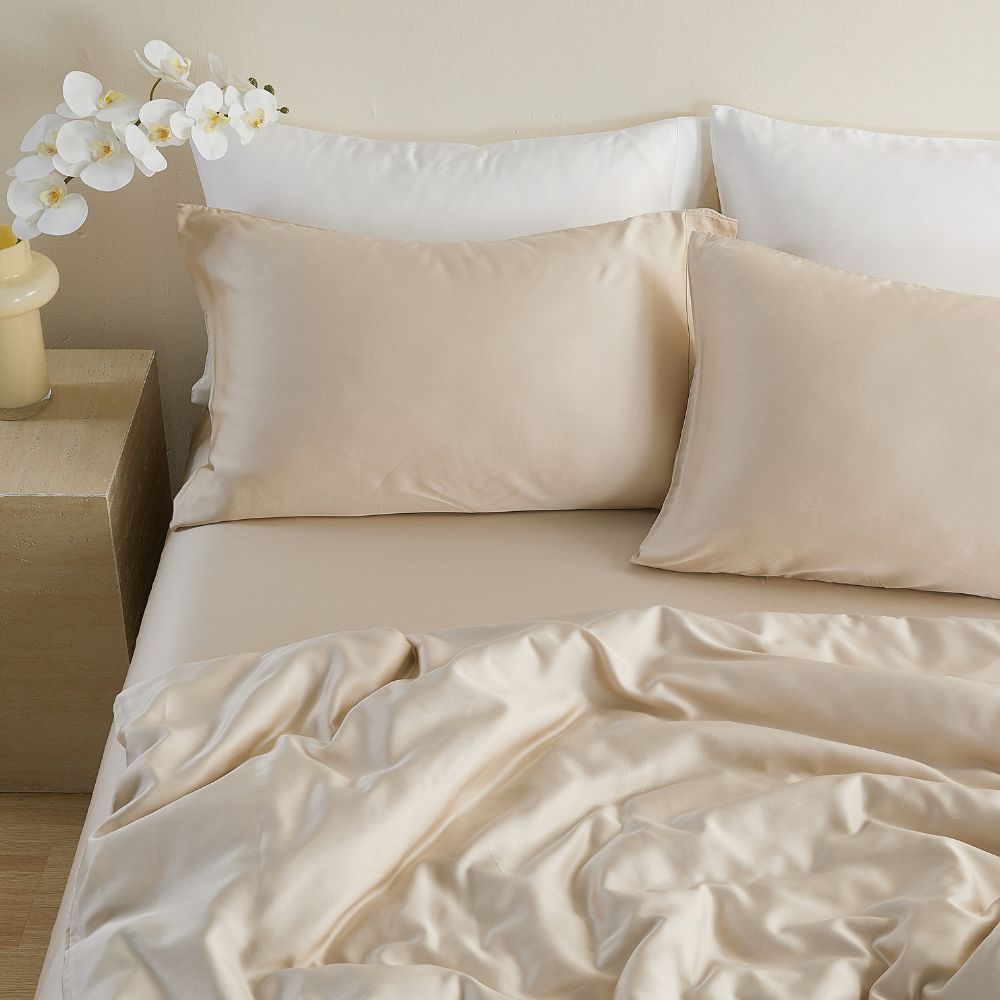
If your sheets feel crisp at bedtime and clammy by 2 a.m., the problem is not just comfort. It is sleep quality. The most meaningful bamboo sheet benefits show up in the middle of the night, when temperature swings, trapped moisture, and fabric friction can quietly work against real rest.
That is why material choice matters more than thread count slogans or showroom softness. Premium bedding should do more than look polished on the bed. It should help regulate heat, manage humidity, stay gentle on skin, and keep that elevated feel over time. For people who sleep hot, wake up irritated, or simply want their bedroom to perform as beautifully as it looks, bamboo-based bedding has earned serious attention.
Why bamboo sheet benefits stand out
Not all bedding problems come from your mattress or room temperature. Often, the fabric closest to your body is the real variable. Sheets influence how heat builds, how moisture moves, and how your skin responds over eight hours of contact.
Bamboo-derived fabrics are often chosen because they feel noticeably smoother and cooler than many traditional cotton options. But the headline features only tell part of the story. The better question is why those sensations happen and whether they hold up beyond the first few washes.
The answer depends heavily on the fiber technology behind the fabric. This is where shoppers need to be selective. Bamboo as a source material can be processed in different ways, and those methods affect softness, breathability, environmental impact, and chemical exposure. Bamboo lyocell is especially valued in premium bedding because it is engineered for performance with a cleaner, more advanced production approach than conventional bamboo viscose.
Cooler sleep without the cold, slippery feel
One of the most talked-about bamboo sheet benefits is temperature regulation. That is not marketing fluff when the material is well made. Bamboo lyocell is known for helping release heat rather than trapping it close to the body, which can make a noticeable difference for hot sleepers and couples who run warm under the same comforter.
This does not mean the fabric feels icy or clinical. The better versions feel cool to the touch in a refined, quiet way. Think less chilled hotel sheet and more serene cascade across the bed. That distinction matters because bedding should support a stable sleep environment, not create a sharp temperature contrast that disappears after a few minutes.
If you live in a warm climate, deal with night sweats, or find yourself constantly kicking off the covers, this kind of thermal balance can be one of the most immediate upgrades in your bedroom.
Better moisture management through the night
Heat is only half of the comfort equation. Moisture is often what turns warmth into discomfort. When sheets hold onto perspiration, they can feel heavy, sticky, or humid against the skin.
A major advantage of bamboo lyocell is moisture wicking. Instead of allowing dampness to linger on the surface, the fabric helps move moisture away from the body more efficiently. The practical result is a drier sleep experience, especially during warmer months, after evening showers, or for sleepers who naturally run hot.
This is one of the most underrated bamboo sheet benefits because it affects comfort in such a subtle but constant way. You may not think, these sheets are wicking moisture beautifully, but you will notice fewer wake-ups from overheating and less of that slightly damp, restless feeling that can sabotage deep sleep.
A smoother surface for sensitive skin and hair
Some fabrics feel soft at first touch but create more friction than you realize over a full night. That matters for anyone with sensitive skin, eczema-prone skin, or even just a low tolerance for rough textiles.
Bamboo lyocell is prized for its exceptionally smooth hand feel. The fibers create a fluid, silk-like surface that glides rather than drags. For skin, that can mean less irritation from rubbing and fewer moments when bedding feels scratchy or overworked. For hair, it may also mean less friction compared with coarser fabrics, which some sleepers appreciate as part of a more polished nighttime routine.
That said, softness alone is not the full measure of quality. Some lower-grade fabrics are chemically processed to feel slick out of the package, then lose that appeal quickly. Premium construction is what helps preserve softness after repeated laundering.
Hypoallergenic appeal for a cleaner sleep environment
For many shoppers, bamboo sheet benefits become even more compelling when allergies or sensitivities are part of the picture. Bedding sits in prolonged contact with your face and body, so the fabric you choose can either support comfort or quietly contribute to irritation.
Bamboo lyocell is often favored by people seeking a hypoallergenic sleep surface because it is gentle, breathable, and less likely to feel harsh against reactive skin. When paired with standards like OEKO-TEX certification, it also gives consumers more confidence that the finished fabric has been tested for harmful substances.
This is especially relevant for people who have outgrown the idea that luxury bedding is only about appearance. Premium comfort should also mean cleaner materials, thoughtful production, and fewer compromises where skin safety is concerned.
Bamboo sheet benefits vs cotton
Cotton still has a strong place in the bedding world, and high-quality cotton can be beautiful. But it is not automatically the best option for every sleeper.
Compared with many cotton sheets, bamboo lyocell often feels cooler, drapes more fluidly, and maintains a smoother touch. Cotton can range widely in quality, and some cotton percale lovers may still prefer that crisp, airy structure. Others find cotton too dry, too stiff, or too heat-retentive for year-round comfort.
This is where preference matters. If you want a tailored, matte finish with a classic hotel feel, cotton may still appeal to you. If you want a softer, more liquid drape with stronger moisture management and a cooler sleep profile, bamboo lyocell often has the edge.
The better comparison is not bamboo versus cotton in the abstract. It is which specific fabric performance solves your actual sleep problem.
The difference between bamboo lyocell and bamboo viscose
This is where the conversation gets more sophisticated. Many shoppers assume all bamboo bedding performs the same because the label starts with bamboo. It does not.
Bamboo viscose is common in the market, but the process used to make it can be more chemically intensive. Bamboo lyocell, by contrast, is generally positioned as the cleaner and more technologically advanced route. For brands focused on wellness, sustainability, and material integrity, that distinction matters.
The feel can be similar at first glance, but the underlying manufacturing story is different. If you care about cleaner processing, premium construction, and long-term trust in what touches your skin every night, it is worth looking beyond the front label. This is one reason Verleu places so much emphasis on bamboo lyocell specifically rather than relying on generic bamboo language.
Durability is part of luxury
A sheet set does not become premium because it feels impressive for one weekend. Real luxury holds its standard over time.
Among the practical bamboo sheet benefits, durability deserves more attention. Well-crafted bamboo lyocell sheets can retain their softness and elegant drape through repeated washing when cared for properly. They resist that disappointing shift from buttery to tired that many lower-end sheets go through after a short stretch of use.
Of course, durability depends on construction, weave quality, and laundering habits. Overdrying, harsh detergents, and high heat can shorten the life of almost any bedding. But when the material and finishing are well executed, bamboo lyocell tends to justify its premium positioning through consistency, not just first impressions.
Sustainability matters, but only when the claims are precise
Consumers are right to be skeptical of vague eco messaging. Bamboo is often marketed as inherently sustainable, but the more responsible question is how the fiber is made and finished.
That is why the best sustainability conversation is specific. Responsibly produced bamboo lyocell offers a stronger case for environmentally conscious bedding than broad claims about bamboo alone. Shoppers who care about both personal wellness and environmental responsibility should look for transparency around processing, certifications, and material standards rather than settling for green-sounding language.
A beautiful bed should not ask you to choose between performance and principles. The strongest products deliver both.
Who benefits most from bamboo sheets?
The answer is not everyone equally. If you are a hot sleeper, someone with sensitive skin, or a shopper who wants bedding that feels polished but works hard, bamboo lyocell makes a compelling case. It also suits people building a more intentional bedroom - one where design, comfort, and wellness belong in the same conversation.
If you prefer crisp structure over fluid drape, or if you love the dry hand feel of traditional cotton, your preference may lead you elsewhere. There is no single perfect fabric for every sleeper. But for many adults upgrading their sleep environment, bamboo sheets solve several problems at once without sacrificing elegance.
The best bedding is not the loudest product on the market. It is the one you stop thinking about because your room feels cooler, your skin feels calmer, and your sleep feels more restored night after night. That is where bamboo sheets earn their place.


