

Cart
0



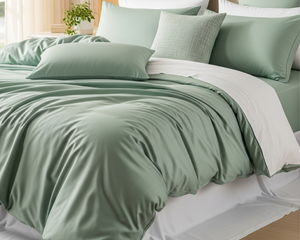
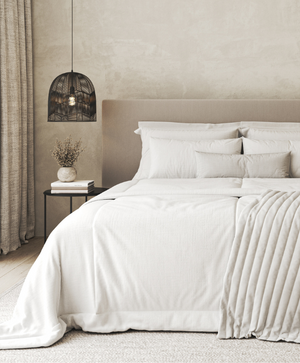
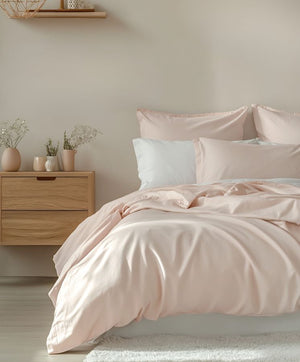
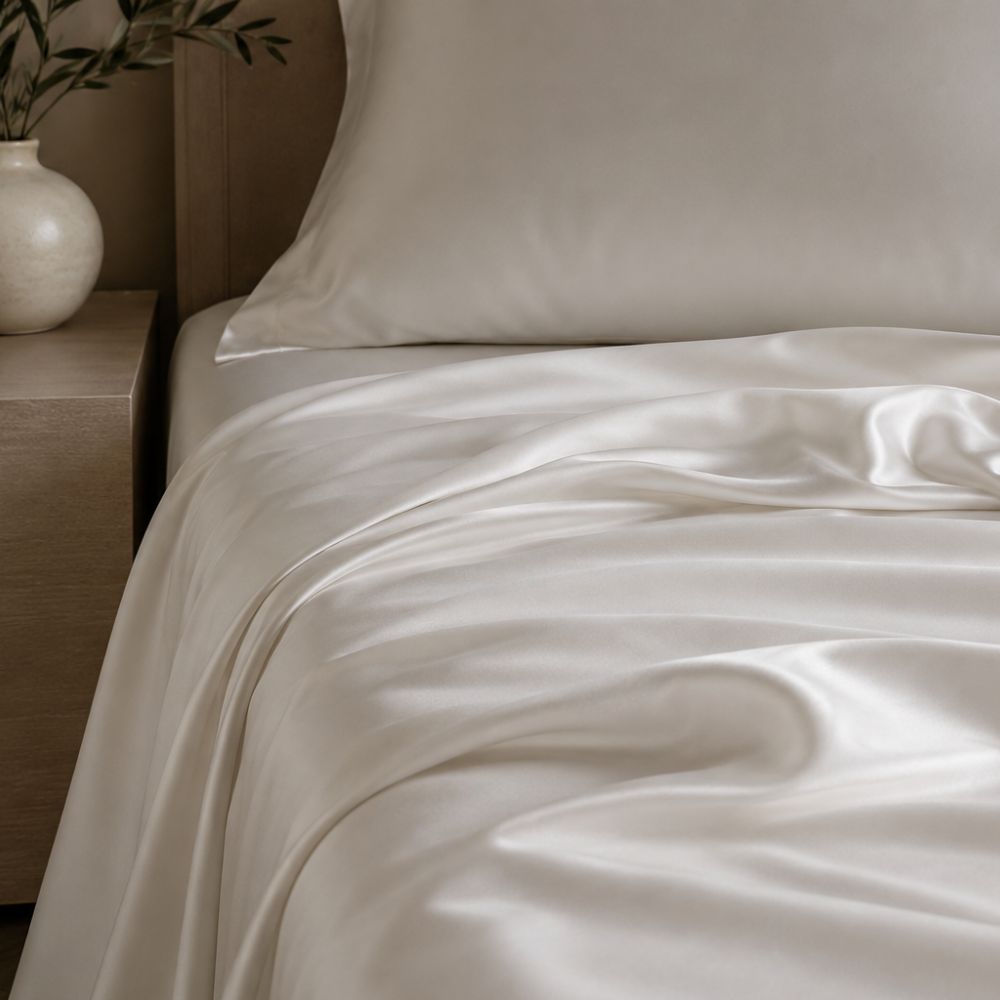
You usually notice bad bedding at 2:13 a.m. - when one side of the bed feels warm, the sheets feel damp, and flipping the pillow buys you maybe six minutes of relief. That is the real test for temperature regulating bedding. Not how it looks folded at the foot of the bed, but whether it can keep your sleep environment cooler, drier, and more stable through the night.
The phrase gets used loosely, which is why shoppers often end up disappointed. Plenty of bedding is labeled cooling when it simply feels cold for a moment or has a slick finish that mimics freshness. True temperature regulating bedding does more. It helps your body release excess heat, manages humidity before it turns clammy, and maintains comfort across changing sleep conditions.
What temperature regulating bedding actually does
Your body temperature naturally shifts while you sleep. The bedroom temperature changes too, especially if you share a bed, use layered blankets, or live in a climate with humid summers and heated winters. Bedding sits right at the center of that exchange. If the fabric traps heat and moisture, sleep gets disrupted fast.
Temperature regulating bedding works by balancing three factors: breathability, moisture management, and thermal adaptability. Breathable fabric allows air to circulate instead of trapping body heat near the skin. Moisture-wicking fibers move perspiration away from the body so the bed does not feel damp. Thermal adaptability matters because bedding should not only feel cool at bedtime - it should continue adjusting as your body moves through the night.
This is where many materials separate themselves. A sheet can feel smooth and lightweight yet still hold onto heat. Another can feel crisp at first but become humid after a few hours. Regulation is not a surface sensation. It is sustained performance.
Why some bedding sleeps hot
Heat retention usually comes down to fiber structure, weave, fill, and finish. Synthetic-heavy fabrics often struggle here because they can trap warmth and hold moisture close to the body. That may be useful in winter, but for hot sleepers or anyone dealing with night sweats, it can make the bed feel stifling.
Traditional cotton depends heavily on staple length, thread count, and weave. A breathable percale can sleep quite differently from a dense sateen. Higher thread count, often marketed as luxury, is not automatically better for temperature control. In some cases, it creates a tighter fabric that restricts airflow.
The same issue appears in comforters and duvet inserts. Even if your top sheet is breathable, a dense fill or poorly ventilated shell can cancel out the benefit. That is why evaluating temperature regulating bedding means looking at the full sleep system, not just one layer.
The difference between cooling and regulating
Cooling is immediate. Regulating is continuous.
A fabric with a cool hand feel may seem impressive in the first few minutes because it pulls heat away from your skin on contact. But if it cannot release that heat and handle moisture efficiently, the effect fades. Temperature regulating bedding is built for the longer job. It helps prevent overheating rather than offering a brief cool sensation.
For many sleepers, that distinction matters more than any marketing phrase. If you wake up warm at 3 a.m., initial coolness did not solve the problem.
The materials that matter most
When bedding performs well, the answer is usually in the fiber itself. Material quality shapes softness, airflow, absorbency, and how consistently the fabric holds up after washing.
Bamboo lyocell stands out because its fiber structure supports both airflow and moisture management without relying on chemical finishes to create the effect. It feels smooth and refined against the skin, yet its performance is what makes it especially compelling for hot sleepers and sensitive sleepers alike. The fabric can help disperse heat and wick moisture efficiently, creating a sleep surface that feels cleaner and calmer across the night.
That distinction is worth making because not all bamboo bedding is the same. Bamboo viscose and bamboo lyocell are often grouped together in casual shopping language, but the manufacturing process differs significantly. For consumers who care about cleaner materials, lower chemical exposure, and premium performance, the difference is not cosmetic. It is foundational.
Linen can also regulate temperature well, especially in warm climates, though its texture is more relaxed and less silky than many luxury shoppers prefer. Cotton percale remains a reasonable option for those who like a crisp hotel feel, but results vary more widely by quality and construction. Performance synthetics can wick moisture, yet they often lack the elevated hand feel and breathable balance people want in a premium bed.
How to choose temperature regulating bedding without falling for marketing
Start with the material, then look at the construction, then consider your own sleep habits. That order matters.
If you sleep hot every night, prioritize naturally breathable fibers over topical cooling treatments. If you mainly get warm because of humidity or night sweats, moisture management should be your first concern. If you share a bed with someone whose temperature needs are different from yours, flexibility becomes important - think breathable sheets paired with a comforter that is insulating without feeling heavy.
Pay close attention to how specific claims are explained. “Cooling” on its own is vague. “Moisture wicking,” “breathable,” and “temperature regulating” should connect back to the fiber and construction, not just the finish or the packaging language. Certifications also matter, especially for shoppers with sensitive skin or anyone trying to limit unnecessary chemical exposure.
Price plays a role, but not in the simplistic way many retailers suggest. Premium bedding can justify its cost when it performs consistently, launders well, and supports better sleep over time. Cheap bedding that pills, traps heat, or loses softness after a few washes is expensive in a different way.
What hot sleepers should prioritize
If you regularly kick off the comforter, wake up damp, or avoid certain pajamas because everything feels too warm, look for bedding that addresses humidity as much as heat. Moisture is often what makes overheating feel unbearable. Once sweat is trapped against the skin, the bed stops feeling fresh.
That is why silky softness alone is not enough. The best temperature regulating bedding has a dry, breathable elegance to it. It feels polished, but it also works.
What sensitive sleepers should prioritize
For sensitive skin, friction and residue matter almost as much as temperature. Rougher fabrics can irritate the skin barrier, and chemically heavy finishes may create discomfort over time. Softer fibers with a clean manufacturing profile can make a noticeable difference, especially for people already dealing with heat-triggered irritation.
This is one reason premium bamboo lyocell bedding has become increasingly relevant in the wellness conversation. It does not just help the bed feel cooler. It can contribute to a sleep environment that feels gentler, cleaner, and more stable.
Why your bedding layers need to work together
Even excellent sheets cannot fully compensate for an overly warm mattress protector, a dense duvet insert, or a mattress that retains heat. Temperature regulating bedding works best as a coordinated system.
If your goal is a cooler bed, begin with the layer touching your skin, then work upward. Sheets and pillowcases have the most immediate effect on comfort because they shape the microclimate around your body. After that, consider your comforter or duvet cover. A breathable outer shell with thoughtful fill weight usually performs better than a heavy insert hidden beneath luxury marketing.
Seasonality matters too. Some people need lightweight bedding year-round, while others do well with adaptable layers they can change as the weather shifts. There is no virtue in using a heavier bed than your body can comfortably handle.
Is temperature regulating bedding worth it?
If you sleep comfortably in almost anything, maybe not. But for people whose sleep is interrupted by overheating, humidity, or fabric sensitivity, the difference can be immediate and meaningful. Better temperature control often means fewer wakeups, less tossing, and a calmer transition into deeper sleep.
That benefit is not purely physical. A bed that stays fresh and balanced feels more restorative. It supports the kind of evening routine that looks refined and feels genuinely functional, which is exactly what premium bedding should deliver.
Verleu approaches this category with that standard in mind: bedding should be beautiful, but beauty without performance is not luxury. Real luxury earns its place night after night.
If your bedroom is meant to support how well you live, work, and recover, temperature regulating bedding is not a trend purchase. It is one of the quiet upgrades that changes how sleep feels when the lights are out.


