

Cart
0



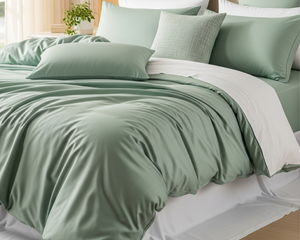
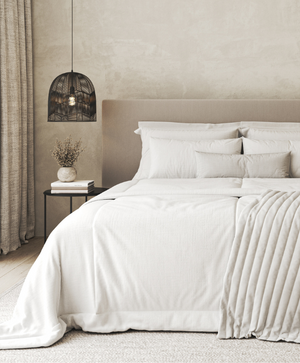
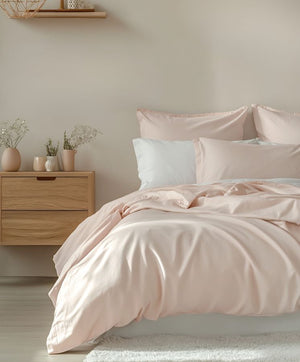
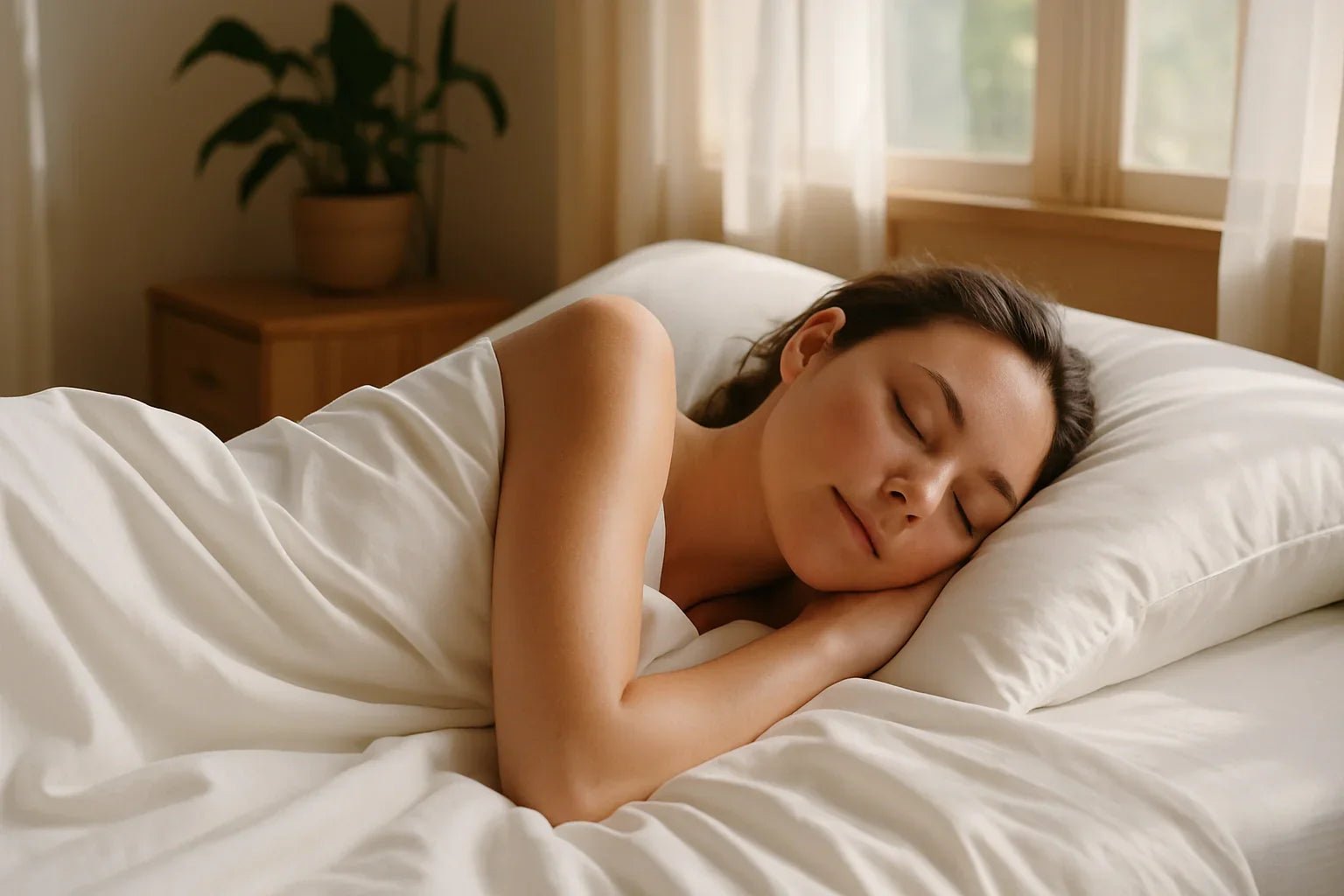
When your skin is already irritated, bedtime can turn into a second shift of discomfort. The best sheets for eczema sufferers do more than feel soft at first touch - they help manage heat, moisture, friction, and exposure to harsh finishes that can leave skin even more reactive by morning.
What actually makes sheets eczema-friendly
Eczema-prone skin is dealing with a compromised barrier, which means fabric choice matters far beyond comfort. Sheets sit against the body for seven to nine hours at a time, so the wrong material can trap sweat, create heat buildup, and increase rubbing across already inflamed areas.
That is why softness alone is not enough. Some fabrics feel smooth in the store but hold onto heat, stay damp after perspiration, or carry chemical residues from processing and finishing. For eczema sufferers, the better question is not simply which sheets are soft. It is which sheets create the calmest possible sleep environment.
In practice, that usually means looking for four things working together: a smooth hand feel, strong breathability, reliable moisture control, and credible chemical safety. If one of those is missing, the fabric may still feel luxurious, but it may not perform well for sensitive skin over time.
Best sheets for eczema sufferers: the fabrics worth considering
Not every premium sheet set is a good fit for reactive skin. The material itself determines how the bed feels at 2 a.m., when overheating and perspiration tend to trigger itching.
Bamboo lyocell
Bamboo lyocell stands out because it combines a remarkably smooth surface with excellent moisture management and a naturally cool feel against the skin. For eczema sufferers who also sleep hot, that combination matters. Less heat retention can mean fewer overnight flare triggers, and less lingering moisture can reduce the sticky, abrasive feeling that makes scratching more likely.
There is also an important difference between bamboo lyocell and more common bamboo viscose. Both may sound similar on a product page, but the manufacturing process is not the same. Bamboo lyocell is generally positioned as the cleaner, more advanced option, with stronger performance credentials and a more refined finish. For shoppers trying to reduce exposure to unnecessary chemical concerns while still getting a luxury hand feel, that distinction is worth paying attention to.
Cotton, especially long-staple or organic cotton
Cotton can work well, especially if you prefer a crisper bed or want a familiar fabric. Breathable, high-quality cotton percale is often a sensible option for eczema sufferers because it sleeps cooler than heavier sateen weaves and tends to feel cleaner and drier through the night.
But cotton has trade-offs. It can absorb moisture without moving it away from the body as efficiently as performance-driven fibers, and some cotton sheets become rougher over time. If your skin is highly reactive to friction, even a good cotton set may not feel as gentle night after night as a smoother lyocell fabric.
Linen
Linen is breathable and beloved by hot sleepers, but it is not always ideal for eczema. Even when it is high quality, linen has texture. Some people find that airy, relaxed feel comfortable. Others with inflamed or broken skin find the natural slub and dryness too abrasive.
If eczema is mild and your main issue is overheating, linen may be acceptable after repeated washing softens it. If your skin flares easily from rubbing, it is usually not the first fabric to test.
Silk
Silk is smooth and can reduce friction, which sounds promising on paper. The challenge is practicality. Silk often requires more delicate care, can be less durable in everyday family use, and may not offer the same combination of moisture-wicking and easy maintenance many eczema sufferers need.
As a pillowcase fabric, silk can make sense for some people. As a full-sheet solution, it is often more temperamental than most shoppers want.
What to avoid when shopping for sheets
The wrong details can undermine even a beautiful set of bedding. For sensitive skin, watch for fabrics advertised mainly by thread count, heavy brushed finishes, or vague claims like "silky soft" with no explanation of fiber type or certifications.
Microfiber is one to approach carefully. It can feel soft initially, but it often traps heat and does not breathe especially well. For eczema sufferers who already run warm, that can create the exact conditions that worsen nighttime irritation.
You should also be cautious with heavily fragranced detergents used in laundering new sheets, wrinkle-resistant finishes, or bargain fabrics with unclear sourcing. If a brand cannot explain what the sheets are made of and how they are processed, that lack of transparency is its own answer.
The role of cooling and moisture control
Many eczema flare-ups are not caused by fabric alone. They are made worse by heat. Once the bed gets too warm, perspiration increases, skin becomes damp, and itching becomes harder to ignore.
This is why the best sheets for eczema sufferers tend to overlap with the best sheets for hot sleepers. A fabric that regulates temperature and moves moisture away from the skin helps preserve a drier, calmer sleep surface. It is not a cure for eczema, but it can remove one of the most common nighttime triggers.
Bamboo lyocell performs especially well here because it feels cool on contact and supports airflow without sacrificing drape. That matters if you want your bedroom to feel elevated rather than clinical. There is no reason bedding for sensitive skin should look utilitarian when it can deliver premium comfort and measurable performance at the same time.
Certifications matter more than marketing adjectives
For eczema-prone skin, material claims should be backed by standards, not just polished language. Certifications such as OEKO-TEX can offer reassurance that the finished fabric has been tested for harmful substances, which is particularly relevant when your skin reacts easily.
This is one area where premium bedding can justify its price. Better bedding is not simply softer or prettier. It should provide evidence of cleaner production, safer finishing, and quality that holds up after repeated washing. If the sheets lose their softness, pill quickly, or start feeling coarse after a few cycles, they stop serving sensitive skin very well.
How weave and finish affect irritation
Even within the same fiber category, construction changes the experience. A crisp percale and a fluid sateen do not feel the same, and neither performs exactly the same way for heat and friction.
For eczema sufferers, smoother is generally better, but not if that smoothness comes with heat retention. A breathable sateen made from the right fiber can feel beautifully gentle. A dense sateen in the wrong material may feel too warm. Percale tends to allow more airflow, though it can feel less silky.
The best choice depends on your skin and your sleep temperature. If your eczema worsens with sweating, prioritize cooler, more breathable construction. If friction is your main issue and you sleep fairly neutral, a softer, drapier finish may be more comfortable.
How to choose the right sheets for your skin
Start with your biggest trigger. If you wake up hot and itchy, choose a cooling, moisture-wicking fabric first. If your irritation is mostly about texture, prioritize a smoother hand feel. If you react to products easily, place certifications and transparent processing near the top of your list.
Then think about maintenance. Eczema-friendly sheets should be easy to wash frequently without losing integrity. Bedding that requires special handling sounds luxurious until laundry day becomes a barrier to keeping your sleep environment clean.
For many shoppers, this is where high-quality bamboo lyocell makes the most sense. It offers the softness people want from luxury sheets, the cooling performance hot sleepers need, and the cleaner-material story that matters when skin is already under stress. Brands like Verleu have also helped clarify that not all bamboo fabrics are equal, which is useful in a category full of vague claims.
A few practical habits that help your sheets work better
Even the best fabric cannot compensate for irritating laundry habits. Wash sheets before first use, skip heavily fragranced detergents, and avoid fabric softeners if they leave residue. Keeping nails short, showering off allergens before bed, and maintaining moderate bedroom humidity can also make a noticeable difference.
If your eczema is severe, it may be worth rotating between two high-quality sheet sets so you can wash more often without wearing one out too quickly. Clean bedding is part of skin care when your body is in direct contact with it every night.
Choosing better sheets will not solve eczema on its own, but it can make nights feel less like recovery and more like rest. When bedding stays cool, gentle, and clean against the skin, sleep starts to support healing instead of interrupting it.


