

Cart
0



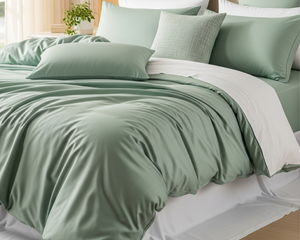
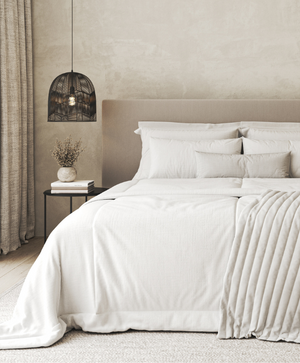
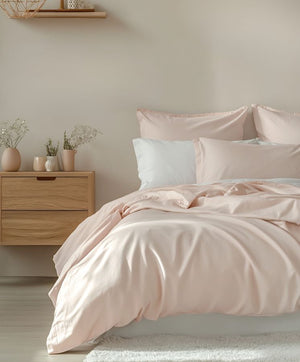
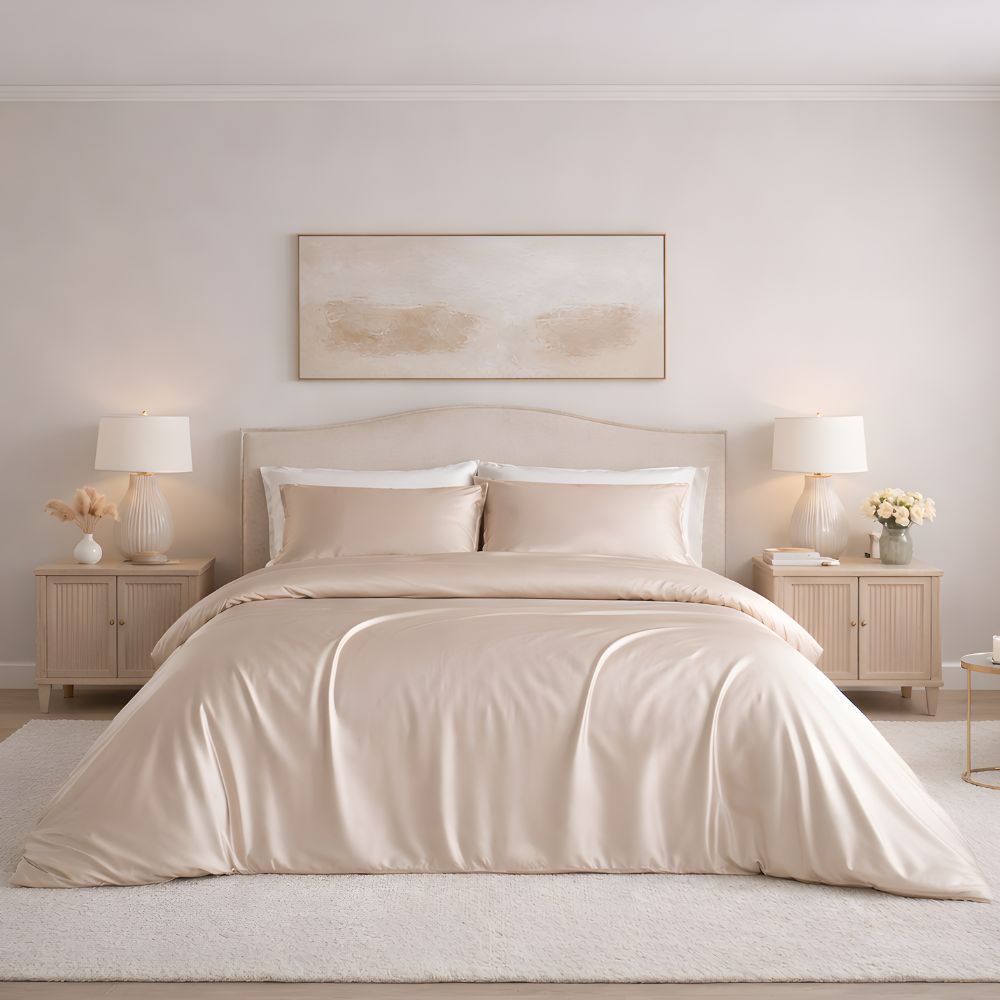
If your skin feels calmer the moment you slip into bed, your sheets are doing more than looking beautiful. For anyone dealing with dryness, itching, overheating, or unexplained irritation, hypoallergenic sheets for sensitive skin can change the quality of sleep in a very real way. The catch is that not every sheet labeled soft, natural, or even hypoallergenic is actually built to support skin that reacts easily.
That gap between marketing language and material performance is where most shoppers get stuck. Bedding sits against your skin for hours at a time, absorbs sweat, traps heat, and collects residue from detergents, skincare, and the environment. When your skin barrier is already stressed, those details matter. Premium bedding should not only feel luxurious. It should help create a cleaner, cooler, less irritating sleep surface night after night.
What hypoallergenic sheets for sensitive skin really means
Hypoallergenic does not mean allergy-proof, and it does not guarantee that every sensitive sleeper will have the same experience. It usually means a material is less likely to harbor common irritants such as dust, excess moisture, and certain chemical residues. For sensitive skin, that distinction matters because irritation is often cumulative rather than dramatic.
A sheet can feel smooth in the showroom and still underperform at home if it traps heat, holds onto moisture, or contains harsh finishing treatments. Sensitive skin tends to respond best to fabrics that stay breathable, wick moisture efficiently, and maintain a clean hand-feel without heavy chemical processing. In other words, comfort is part of the equation, but performance is what makes comfort last until morning.
Why skin reacts to bedding in the first place
When people think about skin flare-ups, they often blame detergent first. That can be part of it, but bedding itself plays a larger role than many realize. Friction, temperature buildup, humidity, and residual chemicals can all aggravate skin that is already vulnerable.
Heat is one of the biggest drivers. If your sheets hold warmth and moisture against the body, the skin barrier can become more reactive. That is especially common for hot sleepers, people with eczema-prone skin, and anyone using active skincare products that make skin more delicate. The result may show up as redness, itchiness, or the feeling that your skin never fully settles at night.
Texture matters too. Coarser fibers can create low-level friction across shoulders, legs, and the face. You may not notice it immediately, but over time that constant contact can make sensitive skin feel stripped rather than soothed. This is why the best bedding for reactive skin often combines smoothness with moisture control, rather than relying on softness alone.
The best materials for sensitive skin sheets
Not all premium fabrics behave the same way. Cotton can be breathable, but it depends heavily on staple length, weave, and finish. Linen has excellent airflow, but its texture is not ideal for everyone, especially if your skin reacts to surface roughness. Synthetic microfiber can feel soft at first touch, yet it often traps more heat than sensitive sleepers want.
Bamboo lyocell stands out because it addresses several skin concerns at once. It is known for a smoother surface, strong moisture management, and a cooler sleep feel than many traditional fabrics. For sleepers who run warm or wake up damp, that matters. Less retained heat and humidity can mean fewer conditions that leave skin irritated by morning.
There is also an important quality difference within bamboo bedding itself. Bamboo lyocell and bamboo viscose are often grouped together, but they are not the same. The processing method affects purity, environmental impact, and often the final hand-feel of the fabric. Shoppers looking for hypoallergenic sheets for sensitive skin should pay attention to that distinction instead of assuming every bamboo product delivers the same result.
What to look for beyond the fabric name
Material is the starting point, not the whole story. A well-made sheet set should disclose how the fabric is produced and what standards it meets. If a brand is vague about certifications, finishes, or fiber composition, that is usually a sign to keep looking.
OEKO-TEX certification is one of the clearest signals because it indicates the fabric has been tested for harmful substances. For sensitive skin, that kind of transparency is more valuable than broad comfort claims. Clean processing and verified safety standards help reduce the likelihood that hidden chemical residues are part of the problem.
Weave also affects performance. A sateen weave, when executed in a high-quality fiber, can create a smooth, fluid surface that reduces friction against the skin. But if the fabric is too dense or poorly balanced, it may sleep warmer than expected. Percale tends to feel crisper and airier, though not everyone with reactive skin prefers that texture. The right choice depends on whether your skin is more bothered by heat, dryness, or tactile sensitivity.
Signs your current sheets may be making irritation worse
Sometimes the issue is obvious. You wake up sweaty, itchy, or uncomfortable and your sheets feel heavy or damp. More often, the signs are subtle. Your face looks more flushed in the morning. Your legs feel itchy after shaving. Your shoulders or chest seem slightly irritated even though you have not changed skincare.
If these patterns happen mostly at night or improve when you travel, bedding deserves a closer look. That does not always mean your sheets are low quality. It may simply mean they are not suited to your body, your home climate, or your skin’s current sensitivity level.
This is also where premium performance bedding earns its place. The best sheets do not just impress on the first night. They continue to regulate temperature, manage moisture, and stay exceptionally soft after repeated washing. For sensitive skin, consistency matters as much as initial comfort.
How to choose hypoallergenic sheets without falling for buzzwords
Start with what your skin actually needs. If you sleep hot, prioritize temperature regulation and moisture wicking. If your skin feels irritated by texture, focus on smoothness and fiber quality. If you are concerned about chemical exposure, look for verified safety certifications and brands that explain their manufacturing process clearly.
Be careful with terms like natural, organic-feel, hotel-quality, and breathable. They sound reassuring, but they are not precise. A sheet set can be marketed as luxurious and still perform poorly for someone with reactive skin. What matters is whether the fabric helps create a cooler, cleaner, lower-friction sleep environment.
This is why a material-forward brand approach matters. At Verleu, the conversation is not just about softness. It is about how bamboo lyocell performs across the full sleep experience, from cooling comfort to cleaner fiber technology to the kind of gentle drape that feels serene against skin that needs less stress, not more.
Care matters as much as material
Even the best sheets can become irritating if they are washed aggressively or coated in residue. Sensitive skin usually responds better to fragrance-free detergent and a restrained laundry routine. More product does not equal cleaner fabric. In many cases, it leaves more behind.
Skip fabric softeners if your goal is cleaner performance. They can coat fibers, reduce breathability, and introduce ingredients that skin does not appreciate. A gentle wash cycle and low-heat drying help preserve softness without compromising the structure of the fabric.
It also helps to wash new sheets before the first use. That gives the fabric a fresh start and allows you to experience its true hand-feel after finishing residues from packaging and handling are gone.
Are hypoallergenic sheets worth the premium?
If your skin is genuinely sensitive, better sheets are not a decorative upgrade. They are part of your sleep environment, and your sleep environment affects recovery, comfort, and how rested you feel when the day begins. Paying more only makes sense if the material quality and manufacturing standards support measurable benefits.
That is the real difference between premium and overpriced. Premium bedding should regulate heat more effectively, feel better against the skin, and maintain that performance over time. If it does, the value shows up every night you do not wake up overheated, restless, or irritated.
For some sleepers, cotton will still be enough. For others, especially those dealing with persistent warmth, moisture, or reactive skin, a more advanced fabric can make a visible difference. It depends on your body and your expectations. But if your current bedding leaves you feeling less comfortable than you should, the answer may be simpler than another skincare product or a new mattress.
The sheets closest to your skin should feel calm, clean, and quietly high-performing. When they do, bedtime stops being another source of irritation and starts feeling like the reset it was always meant to be.


