

Cart
0


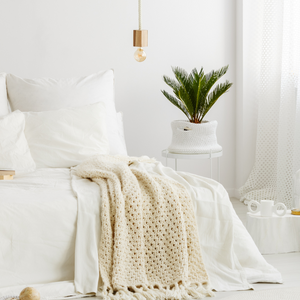
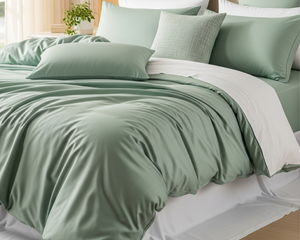
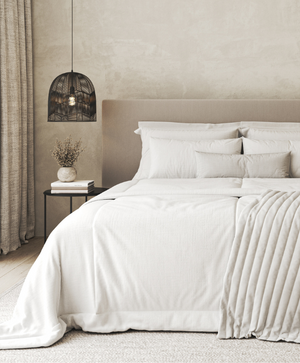
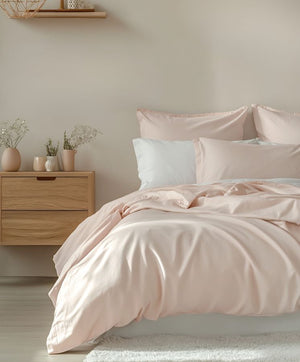
Some sheets feel soft for a week and then turn clammy, rough, or oddly heavy after a few washes. If you have ever woken up overheated, dealt with fabric irritation, or wondered why one “bamboo” set feels luxurious while another feels forgettable, this guide to bamboo lyocell bedding is for you.
Bamboo lyocell has earned attention for good reason. It is exceptionally smooth, naturally breathable, and often better suited to modern sleep needs than traditional cotton or lower-grade bamboo alternatives. But the category is full of vague claims, and not every bamboo fabric is made the same way. If you are investing in premium bedding, the details matter.
What bamboo lyocell bedding actually is
Bamboo lyocell bedding is made from bamboo pulp that is transformed into fiber through a closed-loop process using a solvent system designed to recover and reuse materials rather than discard them. That technical distinction shapes the final product in meaningful ways. It influences how the fabric drapes, how it handles moisture, how it feels against skin, and how clean the production process is compared with more chemically intensive alternatives.
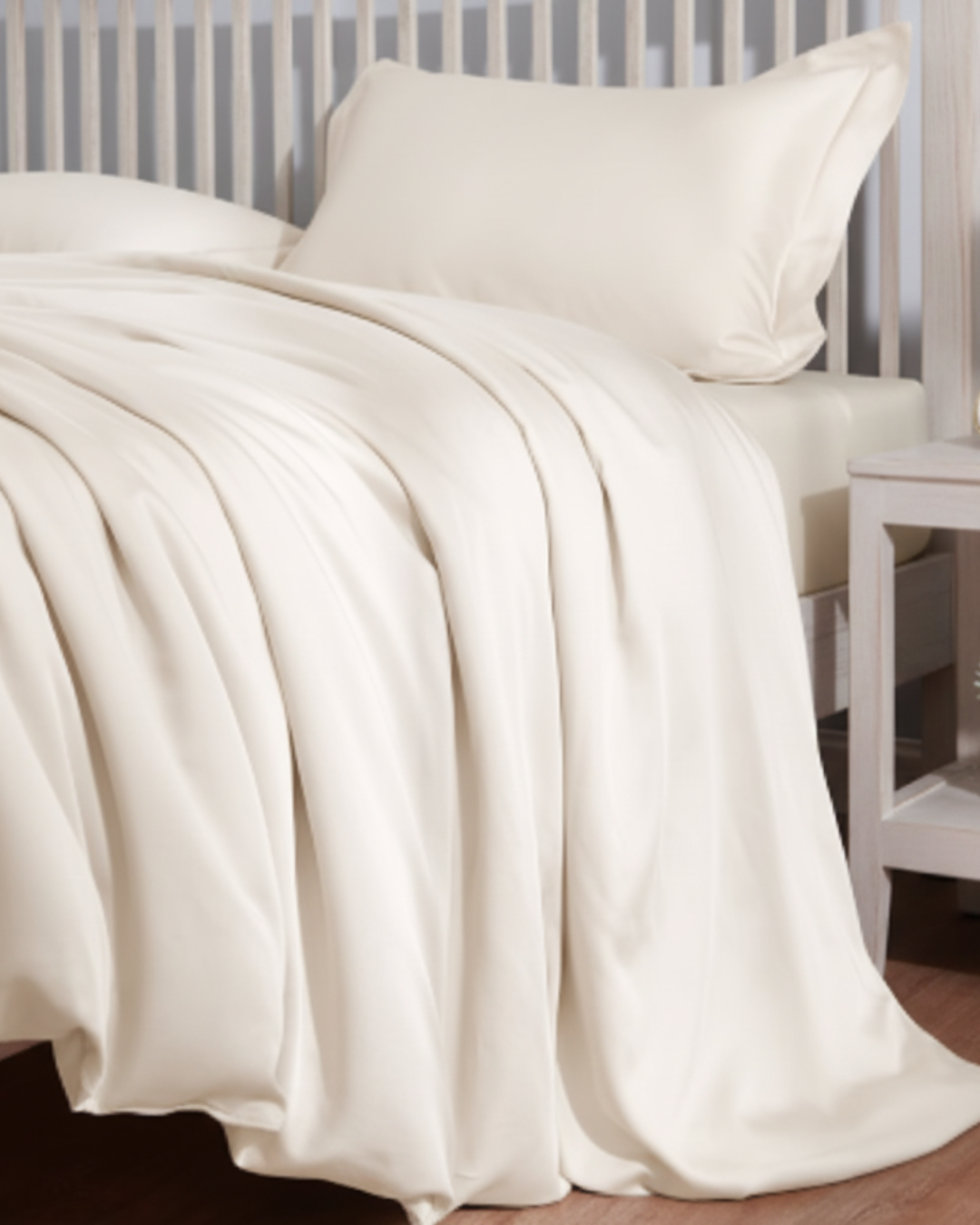
In practical terms, bamboo lyocell tends to feel cool, fluid, and refined. Many people describe it as silk-like without the fragility or high-maintenance reputation of silk. The surface is smooth rather than crisp, and the fabric usually falls in a soft, elegant cascade across the bed.
That feel is one reason shoppers are drawn to it. The more important reason is performance. For hot sleepers, couples with different temperature needs, and anyone sensitive to rougher fabrics, bamboo lyocell can offer a noticeably more comfortable sleep environment.
Why this guide to bamboo lyocell bedding matters
The phrase “bamboo bedding” sounds simple, but it covers very different materials. Some products are made with bamboo viscose or rayon, which may still feel soft but are produced through processes that can be harsher from a chemical and environmental standpoint. Others blend bamboo with cotton or microfiber, which changes both the feel and the performance.
That is where many shoppers get frustrated. They are paying for the promise of cooler, cleaner, more luxurious sleep, but the label does not always tell the full story. A true guide to bamboo lyocell bedding should help you separate broad marketing language from meaningful material quality.
If your goal is premium comfort with measurable benefits, the construction matters as much as the fiber name.
How bamboo lyocell feels on the bed
The first thing most people notice is the hand feel. Bamboo lyocell is unusually smooth, with very little surface friction. For sensitive skin, that can be a major upgrade from fabrics that feel dry, textured, or stiff. Smoothness is not just about indulgence. It can reduce the low-level irritation that makes it harder to settle into deep sleep.
The second thing you notice is the drape. Bamboo lyocell bedding tends to move with a fluid, elegant softness that makes the bed feel more polished and inviting. It has a relaxed luxury to it, not the starched hotel-bed effect of some cotton weaves.
Then there is temperature. A quality bamboo lyocell sheet set often feels cool to the touch and remains more breathable through the night than denser, less moisture-managing fabrics. If you run warm, sleep under layers, or share a bed with someone whose body heat pushes the temperature up, this difference can feel immediate.
Performance benefits that go beyond softness
Softness gets attention because it is easy to feel in a product description or a quick touch test. Sleep performance is where bamboo lyocell earns its premium position.
Temperature regulation
Bamboo lyocell is well known for helping regulate heat. It does not trap warmth the way some synthetic-heavy fabrics do, and it generally allows for better airflow than many conventional bedding options. That does not mean it will feel icy in every season. It means it is better at helping your bed stay balanced rather than stuffy.
For some sleepers, especially those who deal with night sweats, perimenopausal heat shifts, or naturally high body temperature, that balance matters more than thread count ever will.
Moisture management
Heat is only part of the problem. The more uncomfortable issue is often moisture. Fabrics that hold onto humidity can quickly feel damp and oppressive. Bamboo lyocell tends to wick moisture more effectively, helping sweat disperse instead of lingering against the skin.
This can make the bed feel fresher overnight and more comfortable in warm climates, humid bedrooms, or homes where the thermostat is not always on your side.
Skin sensitivity and cleanliness
If you have sensitive skin, fabric chemistry matters. Many shoppers in the premium bedding category are not only looking for softness. They are trying to avoid harsh finishes, questionable processing, and materials that aggravate irritation.
Bamboo lyocell is often favored for its smooth fiber surface and compatibility with cleaner manufacturing standards, particularly when paired with certifications such as OEKO-TEX. That does not make every product identical, but it is a strong sign that the bedding was made with greater attention to skin safety.
Bamboo lyocell vs bamboo viscose vs cotton
This is where smart shopping happens.
Bamboo lyocell and bamboo viscose can look similar at a glance because both come from bamboo-derived cellulose. The difference is in processing. Lyocell is generally considered the more advanced and cleaner method, with better solvent recovery and a stronger sustainability profile. For shoppers who care about material integrity, that distinction is not cosmetic.
Cotton, meanwhile, remains familiar and widely loved, but it depends heavily on weave, staple quality, and finishing. Percale can feel crisp and breathable. Sateen can feel smoother and warmer. High-quality cotton can absolutely be luxurious, but many cotton sheets are less effective at moisture management and can feel heavier on warm nights.
If you prefer a structured, classic hotel-sheet feel, cotton may still be your choice. If you want a softer drape, a cooler hand feel, and a fabric more aligned with heat regulation and skin comfort, bamboo lyocell often has the edge.
What to look for when buying bamboo lyocell bedding
Start with transparency. Brands should clearly state that the product is bamboo lyocell, not simply “bamboo.” If the wording is vague, assume you need more information.
Next, look at certifications. OEKO-TEX certification is especially useful because it signals testing for harmful substances. For many households, that is not a bonus feature. It is part of what makes premium bedding worth bringing into the bedroom.
Then consider construction. Long-lasting luxury is not just about fiber type. Stitching quality, fit, weight, and finishing all affect how the bedding performs over time. Fitted sheets should hold their shape well. Duvet covers should drape cleanly without feeling flimsy. Pillowcases should stay smooth rather than developing roughness after repeated laundering.
Finally, pay attention to the brand’s education. A company that can clearly explain the difference between lyocell and viscose usually understands the category at a deeper level. That confidence tends to show up in the product itself.
Is bamboo lyocell bedding right for every sleeper?
Not automatically. If you love the crisp snap of percale and want a more tailored, matte look, bamboo lyocell may feel too fluid. If you want the lowest possible upfront price, it is rarely the budget option. Premium materials and cleaner production usually cost more.
But for hot sleepers, those with sensitive skin, and anyone upgrading the bedroom with performance in mind, it is often a very strong fit. It works particularly well for people who want their bedding to look elegant, feel indulgent, and still solve real sleep problems.
That combination is what sets the category apart. Luxury is not just visual. It should support how you sleep, how your skin feels, and how your bedroom functions night after night.
Care and longevity
Good bamboo lyocell bedding should stay soft and beautiful with proper care. Gentle washing, mild detergent, and low-heat drying usually help preserve the fabric’s finish and drape. High heat is the main thing to avoid, since it can stress fibers and shorten the life of even well-made bedding.
Durability depends on quality, but premium bamboo lyocell should not be treated like a fragile specialty textile. It is designed for real use. The goal is not to own sheets that only feel beautiful on day one. The goal is bedding that keeps delivering comfort, breathability, and refinement over time.
For shoppers comparing premium options, that is the standard that matters. A beautiful bed should also be a better sleep environment.
When you choose bamboo lyocell thoughtfully, you are not just upgrading fabric. You are setting a higher bar for what bedding should do every night.


