

Cart
0



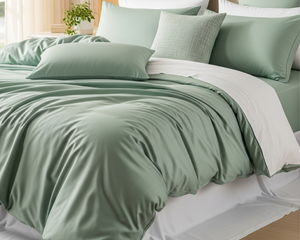
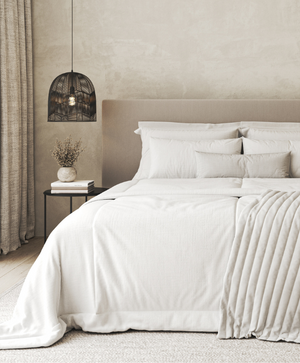
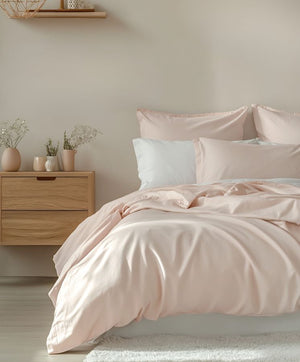
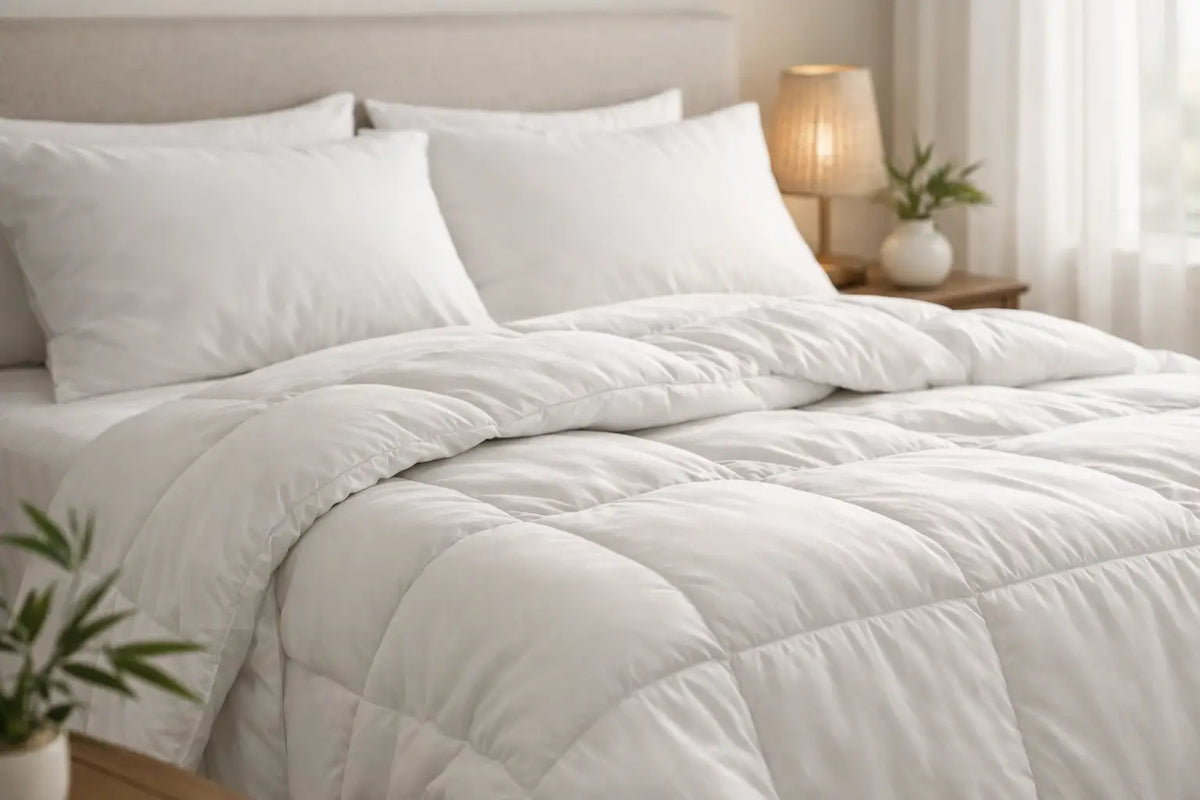
A lightweight bamboo comforter insert is not simply a thinner layer for warm bedrooms. When it is thoughtfully made, it creates the kind of sleep environment many people are actually looking for: comfortably warm at the start of the night, dry through the middle, and never oppressively heavy by morning. That balance matters when night sweats, sensitive skin, or a shared bed make traditional down and synthetic comforters feel like too much.
The distinction lies in both the shell and the fill. A comforter can look lofty and luxurious while still trapping heat, holding moisture, or feeling burdensome across the body. A lighter insert made with premium bamboo lyocell is designed around a different standard - breathable comfort that performs with your body rather than against it.
What Makes a Lightweight Bamboo Comforter Insert Different?
“Lightweight” should not mean flat, flimsy, or insufficient. It refers to the comforter’s warmth profile and physical feel: enough insulation to deliver a polished, cocooned bed, without the dense fill weight associated with colder-climate bedding.
Bamboo lyocell brings a particularly refined advantage to the outer fabric. Its smooth, breathable fibers help release excess heat and move moisture away from the skin. The result is a comforter that feels cool to the touch at first, then settles into an even, breathable warmth. For people who wake up overheated despite keeping their room cool, that difference can be felt night after night.
A well-made insert also distributes its fill evenly. This prevents cold spots, shifting, and the lumpy appearance that can make a bed feel less considered over time. Beneath a duvet cover, the comforter should retain a serene cascade and a tailored level of loft, not collapse into the corners.
Why Breathable Warmth Matters More Than Maximum Loft
Many shoppers assume that more fill automatically means better sleep. That is only true if you sleep in a genuinely cold room and prefer a substantial blanket. For most homes with central heating, maximum loft can quickly become excess insulation. Your body warms the air held inside the comforter, and if that heat has nowhere to go, the sleep surface becomes stifling.
A lightweight bamboo comforter insert takes a more responsive approach. Rather than relying on bulk alone, it pairs modest insulation with a breathable shell that supports airflow and moisture management. You still get the reassuring sensation of sleeping under a comforter, but without the heaviness that makes you push it off at 3 a.m.
This is especially useful for couples. One sleeper may run warm while the other wants coverage and comfort. A lighter, more temperature-responsive insert cannot erase every preference difference, but it gives both people a more adaptable starting point than a dense synthetic comforter that retains heat for hours.
Moisture Changes the Way Warmth Feels
Heat is only part of the equation. Even a mildly warm bedroom can feel uncomfortable when perspiration stays close to the body. Dampness makes bedding feel clammy, interrupts the sense of freshness, and can leave skin more prone to irritation.
Bamboo lyocell is valued for its ability to help manage moisture. In a comforter shell, that quality contributes to a drier microclimate around the body. It is not a replacement for air conditioning, breathable sheets, or a suitable mattress, but it is a meaningful layer in a bedding system designed for cooler sleep.
Bamboo Lyocell and Bamboo Viscose Are Not the Same
The word “bamboo” on a label does not tell you enough about how the fabric will feel or how it was produced. Bamboo viscose and bamboo lyocell begin with bamboo cellulose, yet the manufacturing processes differ significantly.
Bamboo lyocell is made using a more advanced closed-loop solvent process that recaptures and reuses the processing solution. This approach is recognized for being cleaner and more resource-conscious than conventional viscose production. It also creates a fiber known for exceptional smoothness, breathability, and moisture management.
That material distinction matters when the fabric sits close to your skin for eight hours. A premium comforter insert should be evaluated as a whole: the quality of its shell, the integrity of its fill, the certifications behind its materials, and the transparency of the brand making it. Broad claims about “eco-friendly bamboo” are not enough for a product intended to support nightly wellness.
Choosing the Right Weight for Your Bedroom
A lightweight insert is an excellent choice for sleepers who tend to overheat, for bedrooms that remain above roughly 68 degrees, and for people who want one comfortable layer through much of the year. It also works beautifully as the foundation of a layered bed. Add a breathable blanket during a cold spell, then remove it as temperatures rise without replacing your entire setup.
It may not be the right standalone option for everyone. If your bedroom is consistently cold, you live in a northern climate without strong indoor heat, or you prefer the pressure of a very substantial comforter, a medium-weight or all-season insert may suit you better. Personal warmth preference matters as much as the thermostat.
Before choosing, consider your sleeping conditions rather than the season on the calendar. Think about room temperature, whether you share the bed, how much you layer, and whether you wake warm or cold. These details are more useful than a generic “summer comforter” or “winter comforter” label.
The Details That Determine Lasting Comfort
Not every lightweight comforter will deliver a luxury sleep experience. Construction affects how it feels after dozens of washes and hundreds of nights. Look for secure quilting or baffle-style stitching that keeps fill stable, corner loops that anchor the insert inside a duvet cover, and a shell that feels smooth rather than slick or papery.
Certifications deserve attention, too. OEKO-TEX certification offers reassurance that the textile has been tested for harmful substances, an especially relevant consideration for sensitive skin and for bedding used every night. Responsible material choices should be supported by standards, not vague language.
Care also shapes longevity. Follow the product’s instructions carefully, use a duvet cover to protect the shell from oils and frequent laundering, and give the insert room to dry completely when it is washed. A lightweight comforter needs air and space to preserve its loft. Compressing it into an undersized washer or storage bag can reduce the very softness and evenness you bought it for.
Build a Cooler Bedding System
A comforter does not work alone. For the most noticeable improvement, pair a lightweight insert with breathable sheets and a duvet cover that does not block airflow. Bamboo lyocell layers are particularly effective together because the same smooth, moisture-managing qualities extend from the fitted sheet to the layer resting over you.
Keep the palette and textures intentional, but let performance lead. A beautiful bed should invite you in, not force you to choose between a composed bedroom and a comfortable night. At Verleu, that principle informs the Héritage collection: premium comfort should feel elevated, clean, and remarkably easy to live with.
The best lightweight insert is the one you barely notice once you are asleep. It should offer a quiet sense of coverage, maintain a fresh and polished bed, and let your body settle into the uninterrupted rest it has been asking for.


