

Cart
0
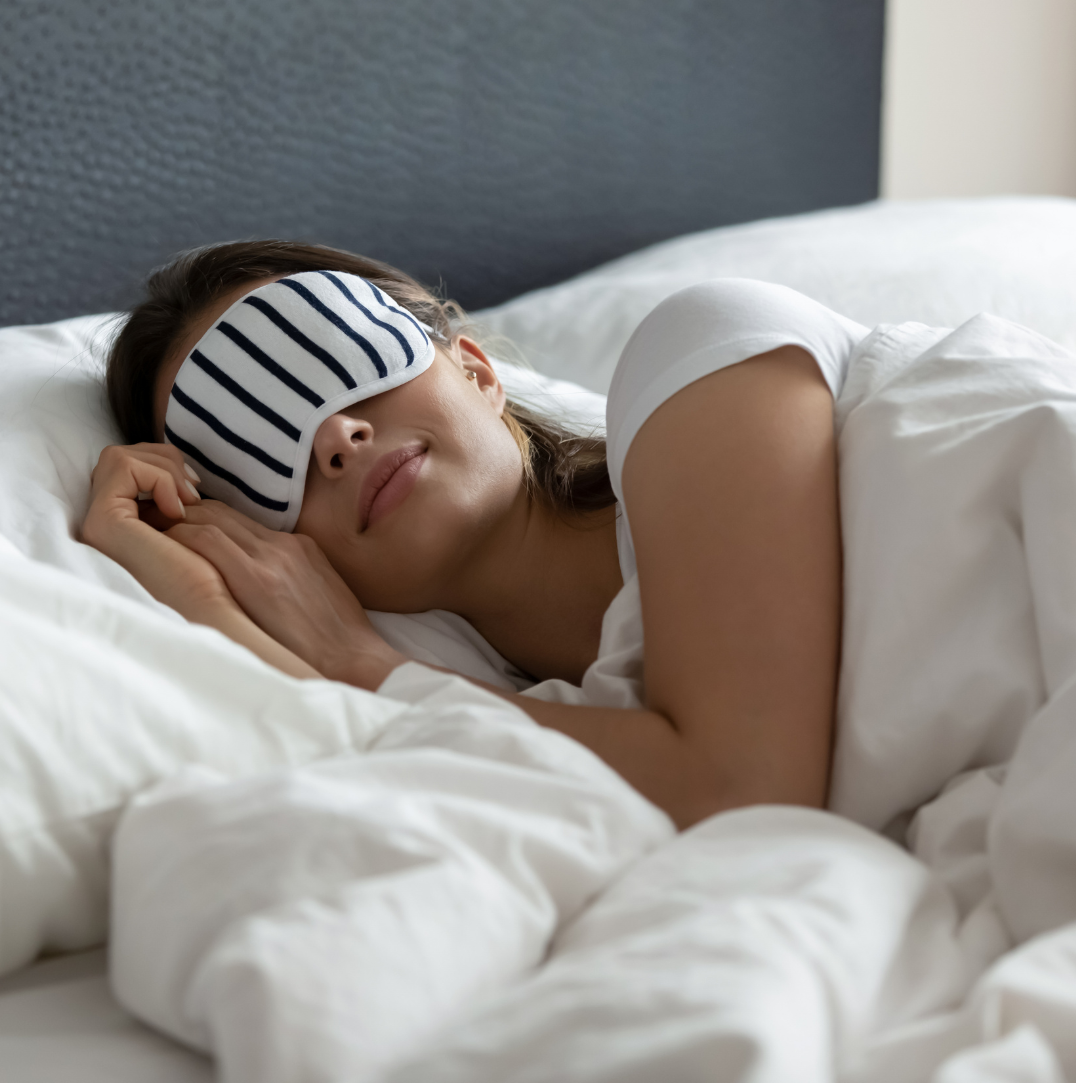
Waking up damp at 2 a.m. can make even a beautiful bedroom feel hostile. If you are searching for how to reduce night sweats, the answer is rarely one single fix. More often, it is a matter of lowering the heat load around your body, improving moisture management, and paying attention to whether your symptoms point to something bigger than the room itself.
Night sweats sit at the intersection of physiology and environment. Your body may be producing more heat than usual, your bedroom may be trapping it, or your bedding may be holding warmth and moisture against your skin instead of releasing it. When those factors stack up, sleep becomes fragmented, uncomfortable, and far less restorative than it should be.
How to reduce night sweats by changing your sleep environment
Start with the room, because it is the fastest place to create measurable relief. A bedroom that feels comfortable when you first get into bed can still become too warm by the middle of the night, especially once body heat builds under layered bedding.
Most people who struggle with overheating sleep better in a cooler range, often around 60 to 67 degrees Fahrenheit. The exact number depends on your metabolism, sleepwear, and bedding, but the principle is consistent: you want the room cool enough that your body does not need to work hard to release heat. If air circulation is poor, even a decent thermostat setting may not feel effective. A ceiling fan, standing fan, or adjusted vent placement can help move warm air away from the bed.
Humidity matters too. In a humid room, sweat does not evaporate efficiently, so you feel hotter and wetter for longer. If your home runs humid in summer or in certain climates, a dehumidifier can make the room feel noticeably lighter and more sleep-friendly.
Light can also play a subtle role. Heavy afternoon sun heating the room, electronics generating ambient warmth, and thick blackout materials without airflow can all raise bedroom temperature. The goal is not just a cool room at bedtime, but a stable sleep environment that stays cool until morning.
Your bedding may be making night sweats worse
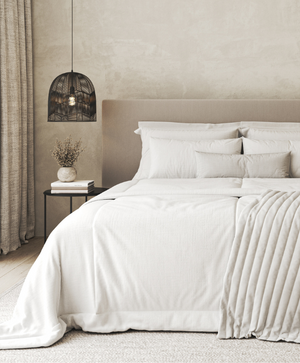
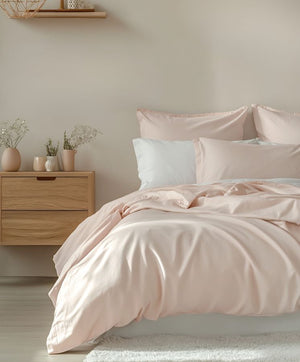
This is where many people lose comfort without realizing it. Bedding that looks plush and luxurious can still perform poorly if it traps heat, clings to moisture, or uses finishes that reduce breathability.
Sheets are the first layer against your skin, so fabric choice matters. If you wake up sweaty but your sheets also feel sticky or heavy, the issue may be less about softness and more about moisture handling. Materials with good airflow and moisture wicking can help pull perspiration away from the body so it can evaporate instead of collecting on the surface.
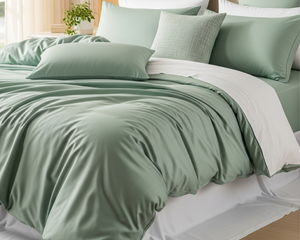
Bamboo lyocell is often a strong option for hot sleepers because it combines a smooth hand feel with temperature regulation and efficient moisture management. That is different from fabrics that simply feel cool to the touch for a few minutes but do not actually manage heat over the course of the night. If you are comparing premium bedding, this distinction matters. True performance shows up at 3 a.m., not just in the first five minutes.
The same logic applies to your comforter and duvet cover. An overly insulated insert can sabotage breathable sheets. If you sleep hot, a lighter fill weight or a more seasonally appropriate layer often works better than trying to cool down underneath a heavy comforter. Sometimes the best upgrade is not adding more bedding options, but editing down to the layers your body can actually tolerate.
Sleepwear deserves equal attention. Tight synthetics can trap heat and moisture against the skin. Lighter, looser, breathable fabrics generally create less friction and less heat retention. If you tend to sweat around the chest, neck, or behind the knees, this change can make a real difference.
Lifestyle triggers that affect night sweats
If your room is cool and your bedding is breathable, but you still wake up overheated, look at what happens in the hours before bed. Several everyday habits can push body temperature up or make sweating more likely overnight.
Alcohol is a common trigger. It can initially feel sedating, but it often disrupts temperature regulation and fragments sleep later in the night. Spicy meals can do something similar, especially if eaten close to bedtime. Caffeine late in the day may also contribute in some people, not only because it is stimulating but because it can elevate metabolic activity.
Exercise is more nuanced. Regular movement supports better sleep overall, but an intense workout too close to bedtime can leave core temperature elevated when you are trying to wind down. If that sounds familiar, shifting strenuous exercise earlier may help.
Stress is another underappreciated driver. A dysregulated nervous system can show up as racing thoughts, a tense body, and episodes of overheating. When the body stays activated, sleep becomes lighter and less stable, and sweating may increase. A calmer pre-sleep routine, a cooler shower, or simply allowing more time to decompress can help lower that nighttime activation.
When hormones, medication, or health conditions are involved
There are times when the question of how to reduce night sweats should include a medical conversation. Night sweats can be linked to hormonal shifts, medication side effects, infections, anxiety, reflux, blood sugar changes, or other health conditions. For many women, perimenopause and menopause are major factors. For others, antidepressants and certain medications can be the clearest trigger.
This is where precision matters. If your night sweats began suddenly, are severe, or come with symptoms like fever, unexplained weight loss, persistent fatigue, or pain, it is worth checking in with a healthcare provider rather than assuming the issue is just bedding or room temperature. The same applies if your sweats are becoming more frequent or disruptive despite making reasonable changes at home.
A bedroom can absolutely support better sleep, but it cannot solve an untreated medical issue. The most useful mindset is both-and: optimize your sleep environment while also paying attention to patterns your body may be signaling.
How to build a cooler sleep system
People often try to solve night sweats with a single purchase. In practice, better results usually come from treating the bed as a system.
Start with a breathable fitted sheet and top sheet or duvet cover that manage moisture well. Pair that with a comforter appropriate for your climate and your body temperature, not just your aesthetic preference. If your mattress tends to hold heat, even excellent sheets will have limits, so a breathable mattress protector can be helpful if it does not add too much insulation.
Then look at smaller frictions that compound the problem. Extra throw blankets at your feet, a dense memory foam pillow that traps warmth, or pajamas that twist and cling can all disturb heat release. You do not need a stripped-down bed, but you do need one where each layer earns its place.
This is also why premium materials matter more than marketing buzzwords. A refined sleep space should feel elevated, but it should also perform. Cooling is not only about sensation. It is about whether a fabric stays breathable, soft, and dry enough to support uninterrupted rest over an entire night. That is the standard discerning sleepers should expect.
A realistic approach to reducing night sweats
Some people see relief quickly by lowering bedroom temperature and replacing heat-trapping bedding. Others need a more layered approach, especially if hormones, stress, or medication are involved. It depends on what is driving the sweating and how many factors are overlapping.
If you want the fastest path, begin with what you can control tonight: cool the room, reduce excess layers, choose breathable sleepwear, and sleep on fabrics that wick moisture instead of holding it. If that helps but does not fully solve the issue, use that as useful information rather than frustration. It tells you the environment matters, but may not be the whole story.
For those investing in better sleep, this is the bigger point: comfort is not superficial. When bedding is engineered to regulate temperature, move moisture, and feel gentle on skin, it supports the kind of rest your body has been asking for. Verleu builds around that premise because premium comfort should do more than look beautiful in daylight. It should help the night feel calm, cool, and genuinely restorative.
A cooler night rarely comes from one dramatic change. More often, it comes from a series of smarter choices that let your body settle, release heat, and finally sleep like you deserve to.


