

Cart
0


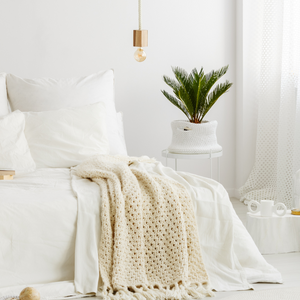
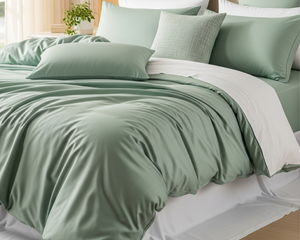
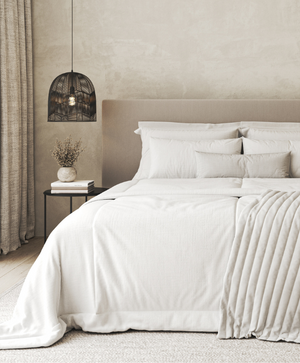
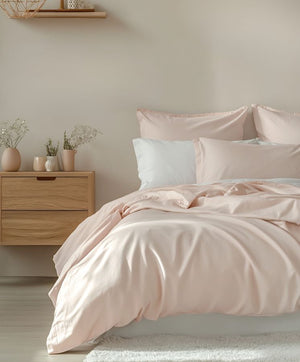
A bed can look expensive and still sleep poorly. If your sheets trap heat, feel coated after a few washes, or leave you wondering what they were actually made with, the luxury claim starts to fall apart fast. Sustainable luxury bedding earns its place differently - through material integrity, sleep performance, and a finish that still feels exceptional night after night.
For shoppers who care about wellness as much as design, this category can be frustrating. Plenty of bedding is marketed as natural, eco-friendly, or hotel-inspired, yet the details behind those claims are often vague. The real question is not whether bedding sounds elevated. It is whether it delivers a cleaner, cooler, more comfortable sleep experience without passing the environmental cost further down the chain.
What makes sustainable luxury bedding truly luxurious
Luxury in bedding should never stop at appearance. A refined drape, a soft hand feel, and a polished bedroom matter, but performance is what justifies premium pricing. The best bedding supports temperature regulation, manages moisture well, stays gentle on skin, and holds its softness over time.
That is where sustainable materials matter. When a fiber is engineered or processed with greater care, the result is often more than an environmental benefit. It can also change how the fabric behaves against the body. Some textiles feel cool at first touch but quickly trap heat. Others feel smooth initially, then roughen after laundering. True luxury is consistency - comfort that still performs at 2 a.m., not just in the product photography.
Sustainability adds another layer of scrutiny. It asks whether the raw material is responsibly sourced, whether the manufacturing process limits harmful chemical exposure, and whether the finished fabric is safer for everyday use. For people with sensitive skin, hot sleep patterns, or a strong preference for cleaner home essentials, those are not secondary concerns. They are part of the product itself.
Sustainable luxury bedding starts with fiber choice
Not all premium-looking fabrics are equal, and not all bamboo bedding is made the same way. This is one of the most important distinctions in the category.
Cotton has long held the luxury bedding spotlight, especially in high thread count marketing. But thread count alone says very little about breathability, moisture control, or chemical processing. Cotton can feel crisp and familiar, yet it often depends on the weave, finish, and staple length to reach a truly elevated standard. It also tends to absorb moisture rather than move it away efficiently, which can be a drawback for hot sleepers.
Linen has a strong sustainability story and excellent airflow, but it is not always the right fit for every sleeper. Some people love its texture and casual lived-in look. Others find it too coarse or too visually relaxed for the serene, polished feel they want in a primary bedroom.
Then there is bamboo. This is where marketing can blur reality. Bamboo as a plant has appealing sustainability advantages, but the finished textile depends heavily on how that bamboo is transformed into fiber. Bamboo viscose and bamboo lyocell are often grouped together in casual shopping language, yet they are not interchangeable.
Bamboo lyocell is the more precise choice for shoppers who want both performance and cleaner processing. It is known for a smoother hand feel, strong moisture management, and a cooling, fluid drape that feels distinctly more refined than many conventional alternatives. Just as important, the production method is generally considered more responsible than older viscose-style processing, which is why educated consumers increasingly look beyond the word bamboo and ask what kind.
For a premium sleep environment, that difference matters. A luxury sheet should not only feel soft. It should help regulate the body, reduce friction on skin, and maintain its finish with repeated use.
Why bamboo lyocell stands out
Bamboo lyocell sits at a compelling intersection of wellness, performance, and sustainability. It is exceptionally smooth, which makes it appealing for sensitive skin and anyone who notices irritation from rougher fabrics. It is also highly breathable and effective at wicking moisture, which supports a drier, cooler sleep surface.
Those benefits are practical, not theoretical. If you sleep warm, share a bed with a partner who runs hot, or wake up feeling damp around the neck and back, the wrong bedding can quietly affect sleep quality every night. A fabric that helps release heat and manage humidity can make the bed feel calmer, lighter, and easier to settle into.
The luxury side of bamboo lyocell is equally clear. It has an elegant drape and a silky, almost weightless finish without the fragility or shine that can make some fabrics feel fussy. It reads as polished, but it works hard in the background.
The sustainability claims worth examining
The phrase sustainable luxury bedding should lead to a few specific questions. Where did the fiber come from? How was it processed? What finishes were used? Has the final product been tested for harmful substances?
A premium brand should be comfortable answering all four.
Raw material sourcing matters, but it is only the beginning. A fast-growing plant does not automatically create a low-impact textile if the processing stage is harsh or opaque. This is why shoppers should be cautious with broad green language that never explains manufacturing.
Certifications also deserve a closer look. Standards such as OEKO-TEX can offer meaningful reassurance that the finished fabric has been tested for harmful substances. That is especially relevant for bedding, which stays in prolonged contact with skin for hours at a time. For customers prioritizing cleaner materials, this kind of verification carries more weight than a vague promise printed on packaging.
There is also a durability side to sustainability. Bedding that pills quickly, loses shape, or stops feeling luxurious after a season is not a responsible purchase, even if the fiber story sounds attractive. One of the least glamorous truths in home textiles is that longevity matters. When a product continues to perform and look beautiful over time, it reduces replacement cycles and better supports the premium investment.
Performance is where luxury becomes believable
A well-designed bed should do more than stage a beautiful room. It should help create the conditions for restorative sleep.
That means cooling is not a trend feature. For many adults, especially hot sleepers and people navigating fluctuating body temperature, it is central to comfort. Breathable, moisture-wicking bedding can reduce that heavy, trapped feeling that builds through the night. It can also limit the cycle of kicking off covers, waking up chilled later, and never settling into uninterrupted rest.
Hypoallergenic performance matters too. Cleaner, smoother fibers can feel less irritating on reactive skin and may create a more comfortable sleep environment overall. This does not mean one fabric solves every sensitivity issue, but it does mean the right material can remove a common source of friction.
Then there is touch. Softness in luxury bedding should feel natural, not artificially coated. Some fabrics are treated to create an immediate silky finish that fades quickly in the wash. Better bedding feels refined from the start and remains inviting because the quality is built into the fiber and construction, not applied as a short-term effect.
What to look for before you buy
When evaluating bedding at the premium end of the market, look past styling language and focus on the construction story. Ask what the fiber actually is, not just the source plant. Check whether the brand speaks clearly about cooling, moisture wicking, and skin safety in measurable terms. See if it explains the difference between similar-sounding materials.
It also helps to notice what is missing. If a brand says sustainable but offers no detail on processing or certification, that is a signal. If it says luxury but leans entirely on thread count or visual mood, that is another one. High-quality bedding should be able to explain both the sensory experience and the technical reason behind it.
This is where brands like Verleu have helped sharpen the conversation. Educating customers on bamboo lyocell versus bamboo viscose is not niche detail for its own sake. It gives shoppers a better framework for understanding why some bedding feels cooler, cleaner, and more enduring than others.
Is sustainable luxury bedding worth the premium?
Often, yes - but only when the product is genuinely differentiated.
The premium is easier to justify when bedding improves the actual sleep experience. If you sleep hot, have sensitive skin, or are replacing fabrics that wear out too quickly, better material engineering can be worth far more than decorative upgrades. You are not just paying for a prettier bed. You are investing in comfort that performs every night.
Still, there are trade-offs. Not everyone wants the same texture, drape, or visual finish. Some sleepers prefer crisp cotton. Others love the structure of linen. Sustainable luxury bedding is not one single feel. It is a standard of better materials, greater transparency, and stronger long-term performance.
That is the better way to shop the category. Not by asking which fabric sounds most premium, but by asking which one aligns with how you sleep, how sensitive your skin is, how warm your room runs, and how much transparency you expect from the brand behind it.
The best bedding should make the bedroom feel quieter in every sense - cooler, cleaner, and more considered. When a fabric can do that while respecting the body and the broader manufacturing story, luxury stops being a label and starts feeling earned.


