

Cart
0


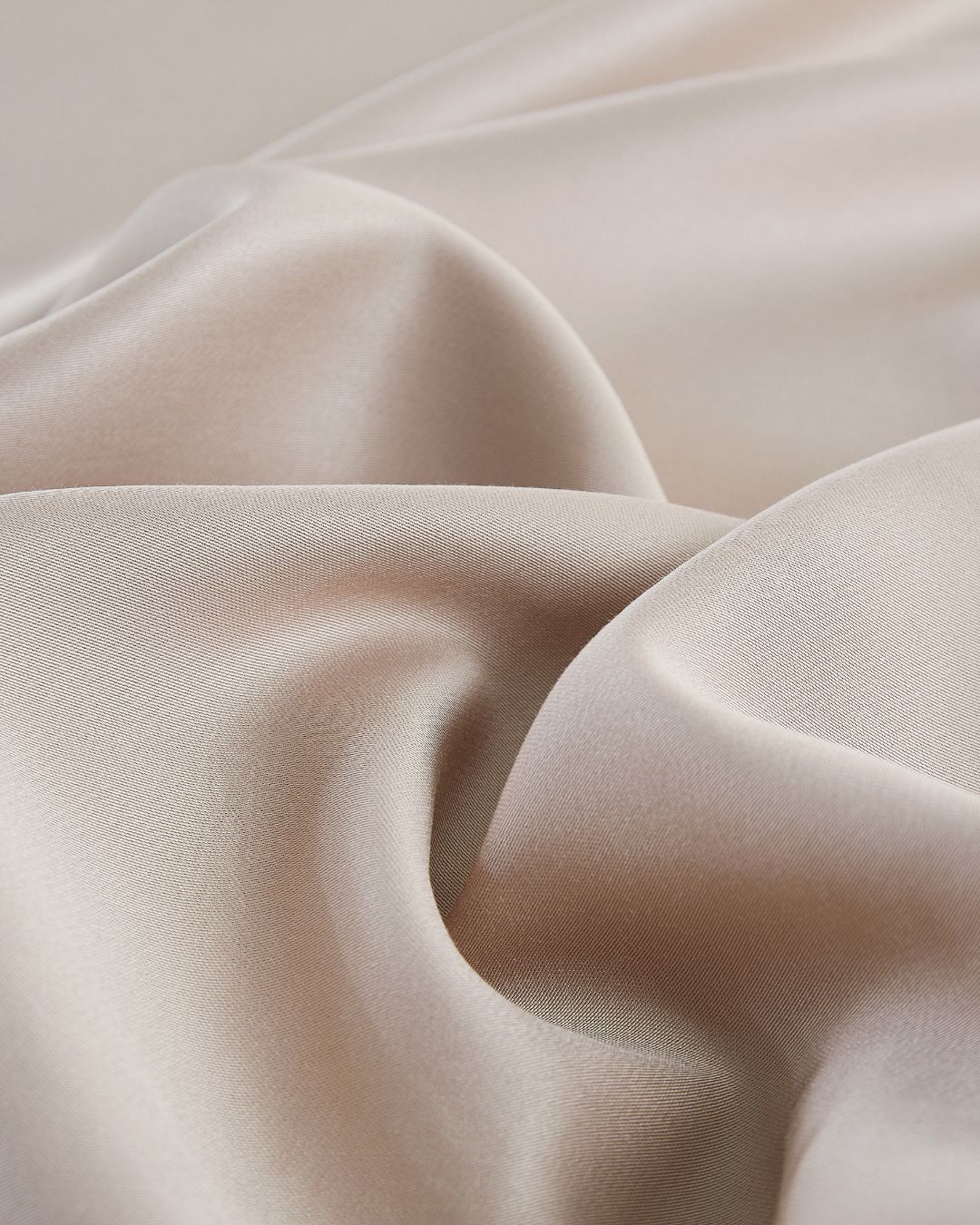
If you wake up congested, itchy, overheated, or strangely unrested, your bedding may be doing more than failing to feel soft. That is usually where the question starts: what is hypoallergenic bedding, and does it actually make a difference? The short answer is yes - but only when the term is backed by the right materials, construction, and chemical standards.
Hypoallergenic bedding is designed to reduce common triggers that can irritate skin, aggravate allergies, or disrupt sleep. That includes dust mites, trapped moisture, harsh chemical residues, excess heat, and fabrics that create friction against sensitive skin. It does not mean allergy-proof. It means the bedding is made to be less likely to cause a reaction, which is a more realistic and more useful standard.
What Is Hypoallergenic Bedding Made to Do?
At its best, hypoallergenic bedding creates a cleaner sleep environment. That matters because the bed concentrates the exact conditions that allergens and irritants tend to like most: warmth, humidity, skin cells, and long hours of direct contact.
The goal is not just softness. It is performance. A truly hypoallergenic sheet set or comforter should help limit buildup, stay breathable, manage moisture well, and feel gentle enough for people whose skin reacts quickly to rough textures or chemical finishes. For hot sleepers, that overlap is especially important. Heat and sweat can make irritation worse, even when the fabric itself seems harmless.
This is why the label alone is not enough. Some bedding is marketed as hypoallergenic simply because it sounds reassuring. The better question is why it earns that description.
What Makes Bedding Hypoallergenic?
Several factors matter, and they work together.
First is fiber choice. Some materials naturally resist the kind of damp, warm environment that encourages dust mites and microbial growth. Breathable, moisture-managing fibers help keep the bed drier, which is one of the simplest ways to reduce irritation.
Second is surface feel. Smoother fabrics create less friction on skin, which can be especially helpful for people dealing with eczema, sensitivity, or frequent redness. A silky hand feel is not just a luxury detail. In the right material, it can be part of a more skin-considerate sleep setup.
Third is chemical safety. Bedding that has been heavily processed or finished with irritating substances can create problems even when the fiber itself sounds appealing. Certifications that screen for harmful substances matter here because they add a level of accountability beyond marketing language.
And fourth is washability. Hypoallergenic bedding should be practical to clean and durable enough to maintain its feel and performance over time. If it breaks down quickly, traps odor, or loses softness after repeated laundering, it stops supporting the environment it promised to create.
The Materials Matter More Than the Marketing
When people ask what is hypoallergenic bedding, they are often really asking which materials are worth trusting.
Cotton is common, breathable, and familiar. For many sleepers, it works well. But not all cotton performs the same way. Lower-quality cotton can feel rougher, retain moisture more easily, and lose comfort with repeated washing. Even high-thread-count cotton is not automatically better if it sleeps warm or has been treated with chemical finishes.
Synthetic materials like polyester are often marketed as allergy-friendly because they are less hospitable to some allergens than traditional fills or heavy fabrics. But there is a trade-off. Polyester tends to hold heat and can trap moisture, which may be uncomfortable for hot sleepers or anyone whose skin gets reactive when they sweat at night.
Bamboo-derived fabrics are where the conversation gets more nuanced. The phrase sounds simple, but the processing method changes everything. Bamboo lyocell is produced in a cleaner, more advanced closed-loop process and is known for an exceptionally smooth surface, strong moisture management, and a cooler hand feel. Those qualities can make it a strong choice for people who want bedding that feels luxurious while also being gentler on skin and more breathable through the night.
By contrast, not every fabric labeled as bamboo offers the same standard of performance or purity. This is where shoppers benefit from reading past the front of the package. The material story is often the real story.
Hypoallergenic Does Not Mean the Same Thing as Organic or Natural
These terms are often grouped together, but they are not interchangeable.
Hypoallergenic refers to reduced likelihood of causing an allergic reaction or irritation. Organic refers to how a raw material is grown and processed according to specific standards. Natural usually means the fiber originates from a plant or animal source, but that says very little on its own about skin safety, breathability, or chemical exposure.
A natural fabric can still be heavily processed. An organic material can still feel too warm for a hot sleeper. And a hypoallergenic bedding product can be highly effective without using the word organic at all.
For most people, the best approach is to look at the full performance picture: Is the fabric breathable? Is it smooth on skin? Does it wick moisture? Has it been tested for harmful substances? Does it maintain comfort after washing? That tells you far more than a single buzzword.
Why Hypoallergenic Bedding Helps Some Sleepers More Than Others
Not everyone needs the same level of bedding performance. But for some people, hypoallergenic construction can make a visible difference.
If you have sensitive skin, smoother and cleaner fabrics can reduce irritation caused by friction, trapped heat, and residual chemicals. If you wake up stuffy, moisture control and easier laundering can help create a fresher bed environment. If you sleep hot, breathability becomes part of the hypoallergenic equation because excess warmth often amplifies discomfort.
This is also why one sleeper may rave about a bedding upgrade while another feels only a mild change. It depends on what is disrupting your sleep in the first place. If your main issue is temperature, cooling and moisture management will matter most. If it is skin reactivity, surface smoothness and chemical safety may be the deciding factors.
How to Shop for Hypoallergenic Bedding Without Falling for Vague Claims
The cleanest way to evaluate bedding is to ignore the label for a moment and study the details.
Start with the fabric composition. Know exactly what fiber you are buying, not just the category name. Then look at how it is processed, especially with bamboo-based materials. Next, check whether the product has been tested for harmful substances. Independent certifications are valuable because they suggest the brand is willing to substantiate its claims.
It also helps to pay attention to how the bedding is supposed to feel in use. Words like breathable, moisture-wicking, and smooth are meaningful when they are tied to real fiber behavior. They are less meaningful when they appear without any explanation.
Finally, consider longevity. Premium bedding should not just feel good on the first night. It should continue performing after repeated wash cycles, hold its softness, and support a consistently clean, comfortable sleep environment.
What Is Hypoallergenic Bedding Really Worth?
For the right sleeper, it is worth quite a lot. Better bedding cannot cure allergies or replace medical treatment, but it can remove everyday friction from your sleep routine. Less overheating. Less irritation. Less waking up feeling like your bed worked against you instead of for you.
That is where quality starts to justify itself. Luxury in bedding should not be decorative language. It should show up as measurable comfort - cooler sleep, cleaner materials, and a fabric that feels serene against the skin night after night. That is why brands like Verleu focus so heavily on fiber integrity, chemical safety, and performance rather than relying on softness alone.
If you are shopping carefully, the smartest question is not whether a product says hypoallergenic. It is whether every part of the product supports that promise.
Final Thought
The best bedding does more than dress the bed beautifully. It creates a sleep environment that feels calm, clean, and quietly high-performing - the kind of comfort you notice less because your body finally has fewer reasons to react.


