

Cart
0



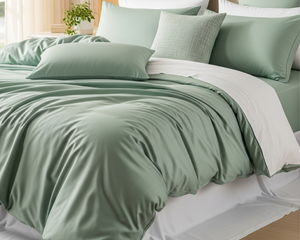
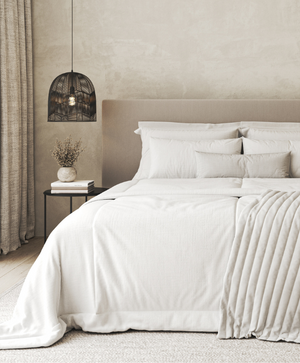
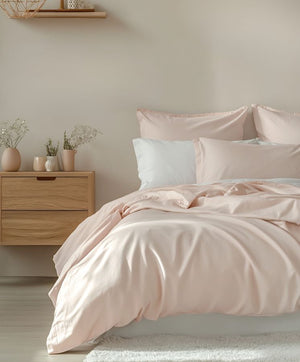
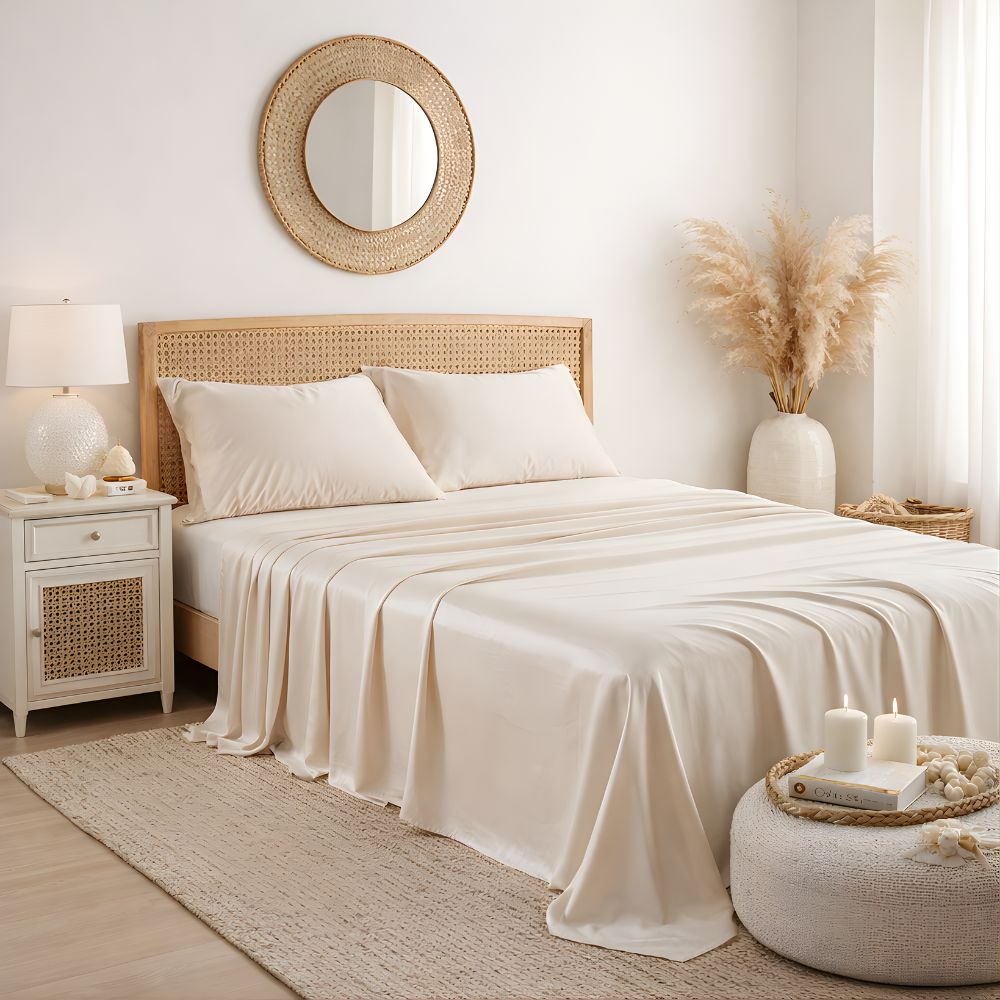
A pillowcase can look immaculate and still be part of the problem. When skin feels itchy, flushed, or reactive after a full night in bed, the issue is rarely just surface cleanliness. Heat, trapped moisture, residual detergent, rough fibers, and dust-mite allergens can all turn a beautiful bed into an irritating sleep environment. The best bedding for skin allergies reduces those stressors without sacrificing the softness and serenity that make bedtime feel restorative.
For sensitive skin, premium bedding should do more than make a room look considered. It should help create a cooler, cleaner, gentler surface against the body for seven or eight hours at a time. That means looking beyond broad labels like “natural” or “hypoallergenic” and paying attention to fiber construction, chemical safety, care habits, and how the fabric performs when you sleep warm.
What Sensitive Skin Needs From Bedding
Skin allergies and sensitivities are not identical. Some people react to dust mites, pet dander, or fragrance residue. Others are managing eczema, contact dermatitis, acne-prone skin, or a tendency to overheat and sweat at night. Bedding cannot diagnose or treat a medical condition, but it can remove common sources of friction and irritation from the sleep environment.
The most helpful fabrics share a few qualities: they feel smooth rather than abrasive, move moisture away from the skin, allow heat to dissipate, and can be washed consistently without becoming stiff or scratchy. Clean production matters, too. A fabric’s source is only one part of its story. The dyes, finishing treatments, and manufacturing standards that touch your skin matter just as much.
That is why softness alone is not enough. A heavy, brushed fabric may initially feel cozy, for example, but it can hold onto heat and moisture. Likewise, a sheet labeled bamboo may not tell you whether it is made from bamboo lyocell or bamboo viscose - two materials with very different processing approaches and performance profiles.
Best Bedding for Skin Allergies Starts With Fiber Choice
Bamboo lyocell: cooling comfort with a polished finish
For sleepers whose sensitivity is aggravated by heat or perspiration, bamboo lyocell is a compelling choice. Its smooth, fine fibers create a sleek handfeel with less surface friction than many traditional fabrics. It is also valued for its temperature-regulating and moisture-wicking properties, helping perspiration move away from the skin instead of lingering in the bed.
The distinction between bamboo lyocell and bamboo viscose deserves attention. Both begin with bamboo, but lyocell is made in a more controlled, closed-loop process designed to recover and reuse much of the solvent. Bamboo viscose typically relies on a more chemically intensive production method. For shoppers building a cleaner sleep space, the manufacturing process is not a technical footnote. It is part of what gives the finished textile its credibility.
A well-made bamboo lyocell sheet set offers the drape and luminous softness associated with luxury bedding, while supporting a cooler, drier sleep surface. It is particularly well suited to hot sleepers and anyone who finds that sweat intensifies itching or discomfort overnight.
Cotton: familiar, breathable, and highly dependent on quality
Cotton remains a sound option, especially for those who prefer a crisp, classic feel. It is breathable, widely available, and easy to launder. But cotton varies dramatically by weave, finishing, and fiber quality. A coarse percale can feel too abrasive for highly reactive skin, while a dense sateen may sleep warmer than expected.
Organic cotton can be a thoughtful choice for consumers concerned with agricultural inputs, but organic certification does not automatically confirm every stage of finished-fabric safety. Look for transparent information about dyes, finishes, and third-party testing. If cotton works for your skin, choose a high-quality, smooth weave and avoid heavily fragranced fabric treatments.
Silk: exceptionally smooth, but not always practical
Silk has a deserved reputation for reducing friction against hair and skin. For facial sensitivity, a silk pillowcase may be especially appealing because it creates a very smooth surface. Yet silk requires more delicate care, can be less forgiving in a household with frequent washing needs, and may not offer the same moisture management as performance-oriented lyocell bedding.
Silk can be an elegant addition, particularly at the pillow. For the full bed, many people with skin sensitivities need a fabric that balances refinement with the ability to wash often and thoroughly.
Synthetic fabrics: proceed with intention
Microfiber and polyester sheets can be inexpensive and soft at first touch, but they often retain more heat and can feel less breathable for warm sleepers. That does not make every synthetic blend unsuitable. Some are engineered for moisture management. Still, if overheating, sweat, or a clingy feel triggers discomfort, natural or cellulosic fibers are usually the more considered starting point.
Certifications Help Separate Claims From Evidence
“Hypoallergenic” is useful only when a brand can explain what supports the claim. No bedding can guarantee that no person will react to it. Individual allergies are complex, and triggers can come from laundry products, bedroom air quality, or an existing skin condition. The stronger standard is transparent material information and recognized testing for harmful substances.
OEKO-TEX certification is one meaningful marker to look for. It indicates that a textile has been tested against a list of harmful substances, offering additional reassurance for products that remain in close contact with skin. It should not replace medical guidance for persistent rashes or severe allergies, but it can help narrow the field when you want greater confidence in what is touching your body each night.
Also ask practical questions: Is the fabric finished with added fragrance? Is it marketed with vague “antimicrobial” language without explaining the treatment? Are dyes and certifications clearly disclosed? Luxury should feel effortless, but the standard behind it should be specific.
The Bed Itself Must Stay Allergy-Conscious
Even exceptional sheets cannot perform at their best if allergens are accumulating beneath them. Dust mites thrive in warm, humid environments and are a common trigger for people with allergic rhinitis and eczema. Pillows, comforters, mattresses, and mattress toppers all deserve attention.
Use washable pillow protectors and mattress encasements designed to create a barrier against dust mites. Wash sheets and pillowcases weekly, or more frequently during allergy season, after illness, or when night sweats are common. If you share a bed with pets, regular laundering becomes even more important.
Water temperature depends on the care label. Hot washing can be effective for allergen control, but repeatedly using overly aggressive heat may shorten the life of delicate fabrics. Follow the manufacturer’s recommendations, and prioritize consistency over occasional extreme washing. A high-quality, durable fabric that stays soft after regular care is often the better long-term investment.
Laundry Products Can Undo Good Bedding Choices
A sheet made from an exceptionally refined fiber can still irritate skin if it carries a strongly scented detergent, dryer sheet residue, or too much fabric softener. Fragrance is a frequent source of contact sensitivity, especially for people with eczema or a history of skin reactions.
Choose a fragrance-free detergent formulated for sensitive skin and use the correct amount for your machine and load size. More detergent does not equal cleaner bedding. It can leave residue behind, particularly in high-efficiency washers. An extra rinse cycle is worthwhile when skin is highly reactive, and it can make a noticeable difference in how fresh the fabric feels.
Skip dryer sheets and use fabric softener sparingly, if at all. Quality bamboo lyocell and fine cotton do not need a coating to feel luxurious. Their natural softness is part of the point.
Build a Cooler Sleep Environment
For many people, the connection between warmth and itching is immediate. Heat can increase sweating, intensify inflammation, and make even a minor irritation feel impossible to ignore. Your bedding should support temperature regulation, but room conditions matter as well.
Keep the bedroom comfortably cool, use a breathable comforter rather than layering heavy blankets, and consider whether your sleepwear is contributing to trapped heat. A lightweight duvet cover paired with a temperature-regulating insert gives more control than a single bulky comforter. This is especially useful for couples with different comfort preferences.
At Verleu, the Héritage collection is designed around this balance: the elevated drape and serene cascade of luxury bedding, paired with bamboo lyocell performance that helps manage heat and moisture through the night. For sensitive sleepers, that combination can make the bed feel less like another variable to manage and more like a place to recover.
The right choice is not necessarily the softest sheet on a showroom display. It is the bedding that remains smooth, breathable, cleanly made, and comfortable after a week of real sleep and regular washing. Give your skin fewer reasons to react, and let the final hours of the day feel as considered as the rest of your home.


