

Cart
0



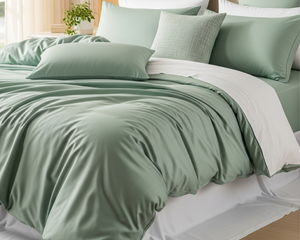
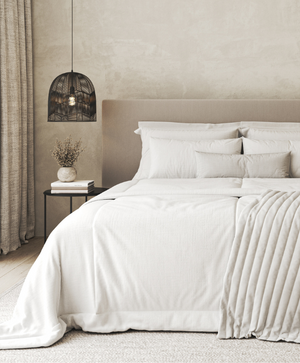
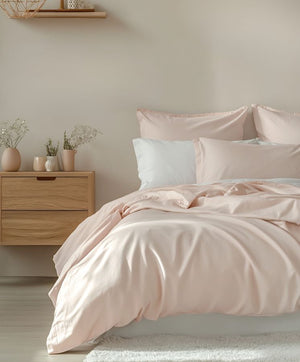
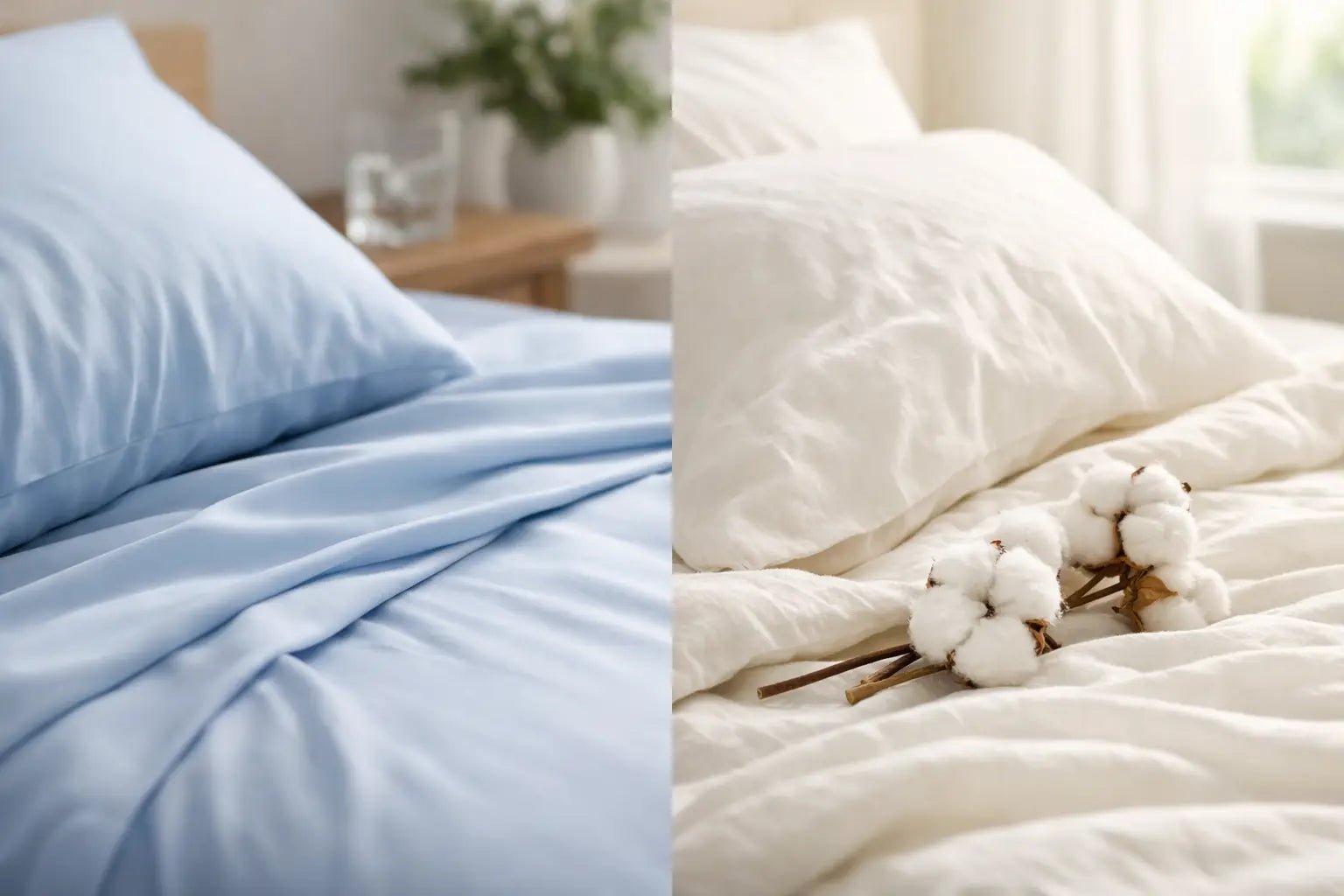
A beautiful bed should do more than look composed at the end of the day. It should help your body settle into a cooler, drier, more comfortable night. In the conversation around lyocell versus cotton, the difference often comes down to what you feel at 2 a.m.: lingering heat, a rougher surface, or the kind of soft, breathable comfort that makes it easier to stay asleep.
Cotton has earned its place as a bedroom staple. Lyocell, particularly bamboo lyocell, brings a more modern fiber technology to the bed. Neither material is automatically right for every sleeper, but their performance profiles are distinctly different.
Lyocell Versus Cotton at a Glance
| Consideration | Lyocell | Cotton |
|---|---|---|
| Feel | Silky-smooth, fluid, and cool to the touch | Can range from crisp to soft, depending on weave and quality |
| Temperature control | Highly breathable with strong moisture management | Breathable, though it can hold moisture longer |
| Best for | Hot sleepers, humid climates, and sensitive skin | Sleepers who prefer a classic, familiar hand feel |
| Wrinkling | Naturally drapes with fewer sharp creases | More likely to wrinkle, especially percale |
| Care | Gentle laundering helps preserve the fiber | Generally durable and forgiving in routine washing |
| Environmental profile | Can be produced in a closed-loop process from renewable cellulose | Varies widely by farming practices, water use, and certification |
The category labels alone do not tell the whole story. Cotton quality varies dramatically, from short-staple blends to long-staple luxury cotton. Lyocell quality also depends on the source material and the manufacturing method. For bedding that performs as beautifully as it feels, construction and transparency matter as much as the fiber name on the package.
How Lyocell Feels Compared With Cotton
The first distinction is tactile. Cotton can feel crisp, airy, and tailored, especially in a percale weave. It can also feel plush and familiar in sateen. Many people love this traditional character, particularly if they prefer sheets with structure rather than drape.
Lyocell has a different presence. Its fibers create a smooth, refined surface with a soft, fluid fall. Rather than becoming merely softer over time, quality lyocell begins with an elevated hand feel: cool, polished, and gentle against bare skin. The sensation is often compared with silk, but without the delicate, high-maintenance nature of silk bedding.
That smoothness can be meaningful for sensitive sleepers. Less surface friction may feel more comfortable against easily irritated skin, and the fabric is less likely to feel coarse after laundering. It is not a medical treatment or a replacement for individualized skincare guidance, but the right bedding can make a noticeable difference in how rested and comfortable you feel.
The weave still matters
Fiber is only one part of the sleep experience. A tightly woven cotton sateen may feel warmer than a crisp percale, while a carefully engineered lyocell weave can enhance airflow and the signature serene cascade of the fabric. Thread count alone is not a reliable measure of quality. A high number can be achieved with multi-ply yarns, which may add weight without improving comfort.
Look instead at the fiber, weave, finish, and the brand’s willingness to explain how its bedding is made.
Cooling and Moisture Management
For hot sleepers, this is where the decision becomes practical. Your body naturally releases heat and moisture throughout the night. When sheets trap that moisture against the skin, the bed can feel clammy, even if the room is cool.
Cotton is breathable, which is one reason it remains so widely used. But cotton absorbs moisture and can retain it for a while. If you sleep warm, share a bed, live in a humid region, or experience night sweats, that retained moisture may make sheets feel heavier as the night progresses.
Lyocell is valued for its ability to absorb and release moisture more efficiently. The fiber helps move moisture away from the body, supporting a drier sleep surface and a more stable microclimate beneath the covers. That does not mean any fabric can override a warm room, a heavy comforter, or individual health factors. It does mean bedding can either work with your temperature regulation or work against it.
For sleepers who regularly kick off the covers, flip the pillow to find the cool side, or wake feeling overheated, lyocell is often the more performance-driven choice.
Durability, Care, and Everyday Reality
Cotton has a deserved reputation for durability. It can withstand regular laundering and, depending on the construction, may grow softer over years of use. It is an easy material to understand and care for, which makes it appealing for busy households.
Lyocell deserves more thoughtful care, but that should not be confused with fragility. Wash it in cool water with a gentle detergent, avoid bleach and fabric softener, and dry on low heat or line dry when possible. These habits protect the fibers, preserve the fabric’s smooth finish, and help extend the life of premium bedding.
Cotton sheets can develop a rumpled, relaxed look. Some people find that inviting; others prefer a bed that appears more polished between washes. Lyocell generally resists harsh-looking wrinkles and drapes elegantly over the mattress. For a bedroom designed as a true place of restoration, that visual calm has value.
Sustainability Depends on How the Fiber Is Made
Sustainability claims deserve more than a label. Cotton is a natural fiber, but conventional cotton farming can require substantial water, land, and agricultural inputs. Organic cotton can reduce reliance on certain synthetic pesticides and fertilizers, although it still has a resource footprint and should be evaluated through credible standards.
Lyocell is made from cellulose, often sourced from wood or bamboo. Its environmental advantage is tied to production. Authentic lyocell is produced using a closed-loop process designed to recover and reuse much of the water and solvent used to transform plant pulp into fiber. Responsible sourcing and third-party certifications add further confidence.
This is also where consumers should be careful with bamboo terminology. Bamboo viscose and bamboo rayon may begin with bamboo, but they are manufactured through a different chemical process than bamboo lyocell. They should not be treated as interchangeable simply because the source plant is the same.
For shoppers seeking cleaner, more considered materials, ask direct questions: Is the product truly lyocell? Is the fabric independently tested for harmful substances? Does the brand explain its sourcing and manufacturing process with specificity? Premium comfort should come with clear answers.
Which Is Better for Your Bed?
Choose cotton if you love a classic sheet feel, prefer the crisp character of percale, or want bedding that is especially uncomplicated to wash and dry. High-quality cotton remains a beautiful option, particularly for sleepers who do not struggle with excess heat or moisture.
Choose lyocell if you want a smoother hand feel, more advanced moisture management, and a cooler sleep surface. It is especially well suited to hot sleepers, people who value a low-friction fabric against sensitive skin, and anyone building a bedroom around wellness rather than decoration alone.
For many premium bedding shoppers, bamboo lyocell offers the more complete balance: luxurious softness without a heavy feel, cooling comfort without synthetic slickness, and a more considered production story when made responsibly. At Verleu, that balance is central to the Héritage collection because sleep products should deliver measurable comfort night after night.
Your sheets are among the few materials that remain in contact with your skin for hours at a time. Choose the fiber that supports the way you want to wake up: cooler, more comfortable, and ready for what the day asks of you.


