

Cart
0


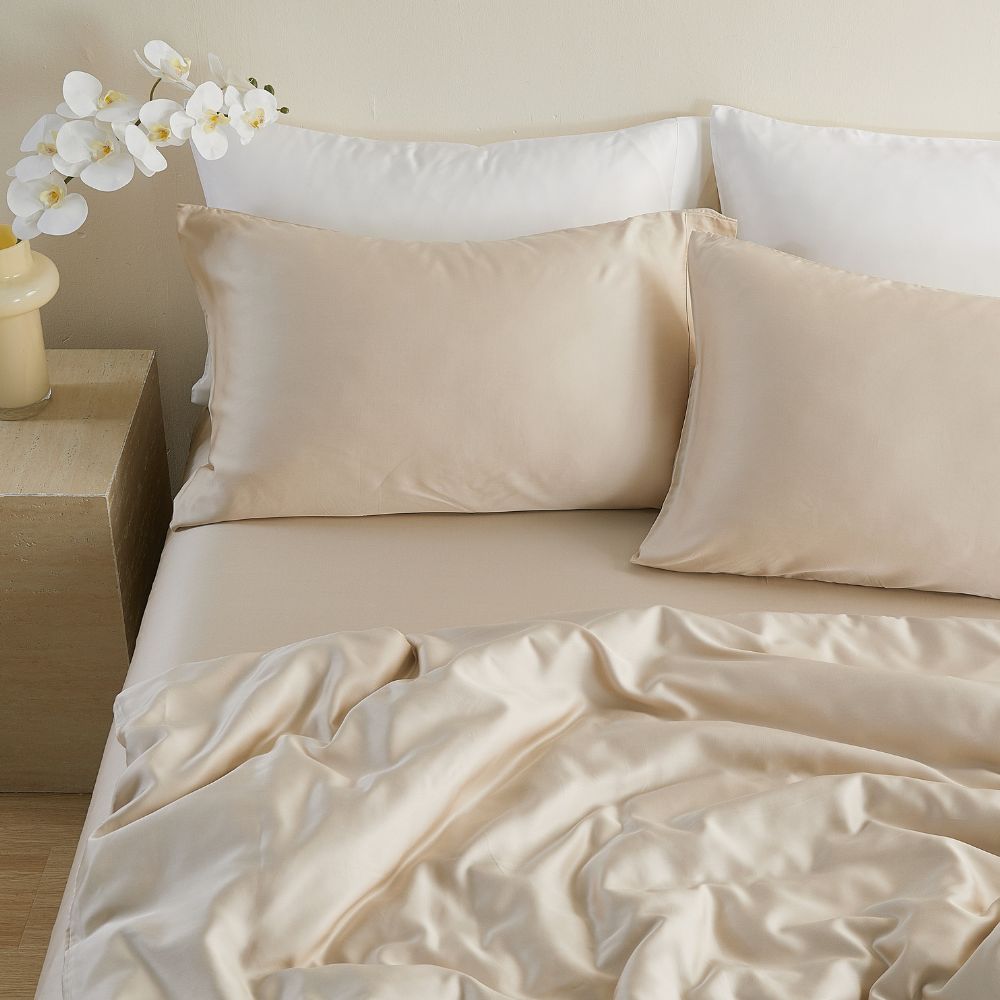
A pillowcase touches your skin for six to eight hours at a time. If you are dealing with breakouts, that contact matters more than most skincare routines give it credit for. The best pillowcases for acne prone skin are not miracle products, but they can reduce friction, manage heat and moisture, and create a cleaner sleep surface that supports calmer skin.
That distinction matters. A pillowcase will not treat acne the way a dermatologist or a well-built skincare routine can. What it can do is remove common nighttime triggers - trapped sweat, excess oil, rough texture, irritating finishes, and fabrics that hold onto buildup longer than they should. For anyone investing in better sleep and better skin, that is a practical upgrade, not a cosmetic extra.
What makes a pillowcase acne-friendly
Acne-prone skin tends to react to a combination of factors rather than one single cause. Oil production, bacteria, hormones, product residue, heat, and friction all play a role. Your pillowcase sits right in the middle of that equation because it collects whatever is left on your face and hair at night, then presses it back against your skin.
The most helpful pillowcases do three things well. First, they feel smooth enough to reduce rubbing against the skin barrier. Second, they stay breathable and manage moisture so your face is not resting in heat and sweat. Third, they wash well and hold up to frequent laundering without becoming rough, stiff, or coated with harsh residues.
This is where material choice matters far more than thread count marketing. A high thread count can sound luxurious, but if the fabric traps heat or has been heavily processed, it may not be the best fit for reactive skin.
Best pillowcases for acne prone skin: the fabrics worth considering
Bamboo lyocell
For many sleepers, bamboo lyocell is one of the strongest choices. It is exceptionally smooth, breathable, and effective at moisture management, which is especially helpful if breakouts flare with heat or night sweats. The hand feel is refined and cool, with far less drag than many standard cotton pillowcases.
There is also an important quality difference within the bamboo category. Bamboo lyocell and bamboo viscose are often grouped together, but they are not the same material story. If you care about cleaner processing, skin comfort, and long-term performance, the distinction matters. A premium bamboo lyocell pillowcase can offer the cool, serene feel people want from luxury bedding while also supporting a fresher sleep surface.
That said, not all bamboo options are equal. If the fabric is blended heavily with cheaper fibers or finished with questionable chemicals, the benefits become less reliable. This is one of those categories where transparency matters.
Silk
Silk is often recommended for acne-prone skin because it is smooth and gentle. It creates less friction than many traditional fabrics, and it tends to feel cool at first touch. For some people, especially those also concerned about hair breakage or facial creasing, silk can be a strong option.
The trade-off is maintenance. Silk typically requires more delicate care, and not every buyer wants a pillowcase that demands special handling. It can also be less practical if you want to wash your pillowcase very frequently, which acne-prone skin often benefits from. Luxury should feel elevated, but it should still work in real life.
Cotton
Cotton is familiar, widely available, and easy to clean. A high-quality long-staple cotton pillowcase can feel comfortable and breathable enough for many people. If you are choosing cotton, look for a soft weave and avoid overly heavy or crisp finishes that can feel abrasive on sensitive skin.
Still, cotton is not always the clear winner for breakout-prone sleepers. It can absorb moisture and oils readily, which is not inherently bad, but it may stay damp longer and feel warmer overnight depending on the weave. If your acne worsens with sweating or overheating, cotton may be less effective than bamboo lyocell.
Satin polyester
Satin pillowcases are popular because they feel slippery and are usually inexpensive. They can reduce friction on the skin, which sounds appealing, but fabric composition matters. Most satin pillowcases on the market are polyester, not silk.
Polyester satin can feel smooth, but it is often less breathable and more prone to trapping heat. If your skin tends to break out when it gets warm or congested, that trade-off may work against you. A low price point is attractive, but performance should come first when your goal is skin comfort.
What to avoid if your skin breaks out easily
A beautiful pillowcase is not necessarily a skin-friendly one. If you are shopping with acne in mind, be cautious with rough weaves, synthetic fabrics that sleep hot, and heavily treated textiles with artificial fragrances or questionable finishing agents.
You should also be skeptical of marketing that promises to cure acne. Bedding can support a cleaner, calmer sleep environment, but it is one part of a broader picture. The right claim is not acne elimination. The right claim is reduced irritation, better breathability, and a more hygienic surface.
Color and dye can matter too, especially for sensitive skin. Dark or heavily dyed fabrics are not automatically problematic, but a pillowcase made with certified safe processing standards offers more peace of mind than one with vague sourcing and no material transparency.
How often should you wash pillowcases for acne prone skin?
More often than most people do. If your skin is actively breaking out, every two to three nights is a smart standard. If that feels excessive, start with twice a week and see whether your skin settles.
This is one reason fabric practicality matters. The best pillowcases for acne prone skin are not just soft on night one. They need to handle frequent washing without losing their smooth finish or becoming stiff and irritating. A pillowcase that performs beautifully but only under delicate conditions may not be the right everyday solution.
Use a fragrance-free or low-residue detergent if your skin is sensitive, and avoid overloading fabric softeners. Those products can leave a film behind, which is the opposite of what breakout-prone skin needs.
The details that make a real difference
When shoppers look for skincare-friendly bedding, they often focus only on softness. Softness matters, but it is not the full story. Temperature regulation is just as important. A face pressed into a warm, humid pillow surface for hours has a very different experience than one resting on a cool, moisture-managing fabric.
Construction matters too. A well-made pillowcase keeps its surface consistency over time. It does not pill quickly, lose its drape, or become coarse after repeated wash cycles. Premium bedding should justify itself in performance, not just presentation.
This is where investing a bit more can make sense. If a pillowcase is part of your nightly wellness environment, it should support skin comfort with the same seriousness you expect from the rest of your sleep setup. Verleu approaches bedding from that exact perspective - luxury is not just how it looks, but how precisely it performs night after night.
How to choose the best pillowcases for acne prone skin for your sleep style
If you sleep hot, prioritize bamboo lyocell or another highly breathable fabric that actively manages moisture. If your skin is sensitive and easily irritated, focus on smoothness, clean processing, and certified safe materials. If convenience matters most, choose a fabric that can handle frequent washing without special treatment.
There is no single perfect answer for every sleeper. Someone with dry, sensitive skin and minimal sweating may do very well with silk. Someone who runs warm, uses active skincare, and wants easier care may find bamboo lyocell far more practical. Someone who simply wants a step up from standard bedding may prefer high-quality cotton, provided overheating is not a concern.
The right choice comes down to how your skin behaves at night, not just what sounds luxurious in a product description. When a pillowcase combines breathability, a smooth hand feel, skin-safe processing, and durability, it becomes more than bedding. It becomes part of a sleep environment designed to help your skin stay quiet while the rest of you rests.


