

Cart
0



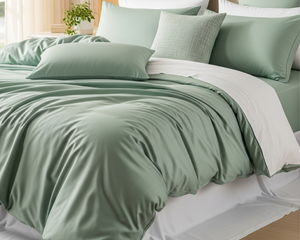
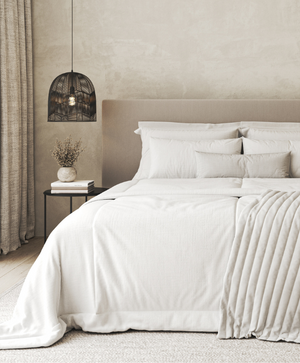
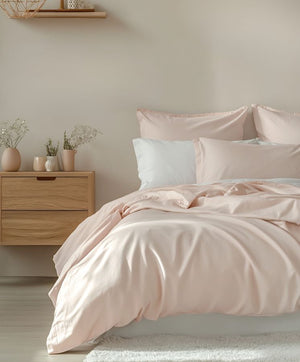
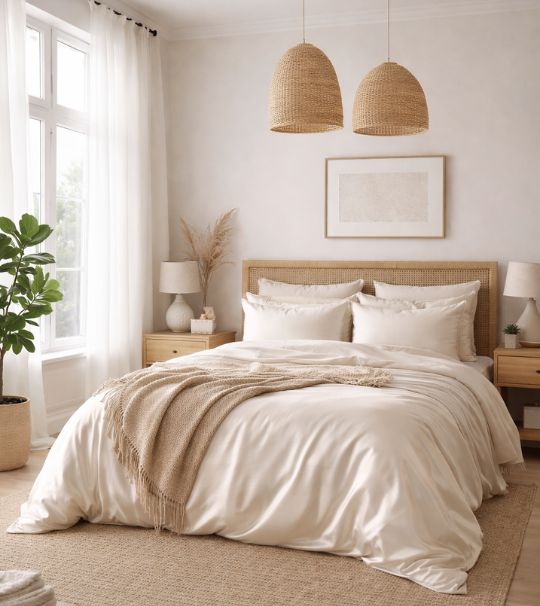
If you wake up damp, kick off the covers at 2 a.m., then pull them back on by 4, your sheets are not a small detail. They are part of your sleep system. The best sheets for sweaty sleepers do more than feel cool at first touch. They need to release heat, move moisture away from the body, and stay comfortable across a full night rather than for the first ten minutes.
That distinction matters because many sheet sets are sold on surface feel alone. Crisp does not always mean cooling. Soft does not always mean breathable. And not every fabric marketed for hot sleepers performs the same once humidity, skin sensitivity, and year-round use enter the picture.
What actually makes sheets cooler
Cooling bedding is often discussed like a trend, but the mechanics are straightforward. Your body sheds heat while you sleep, and your bedding can either help that process or trap it. The most comfortable sheets for hot sleepers usually combine three qualities: breathability, moisture management, and a smooth hand feel that does not cling when skin gets warm.
Breathability refers to how easily air moves through the fabric. Moisture management is about how efficiently the material absorbs and disperses sweat so it can evaporate instead of pooling against the skin. Then there is friction. When sheets feel sticky or heavy in the middle of the night, that is often a sign the fabric is holding onto moisture or heat.
Weave also plays a role. A dense weave can feel polished and luxurious, but if it limits airflow, warmth builds fast. A lighter, more fluid construction tends to drape better and ventilate more effectively. For sweaty sleepers, performance is rarely about a single feature. It is the interaction between fiber, weave, and finishing.
Best sheets for sweaty sleepers start with fiber choice
Fiber is the first filter because it determines how a sheet behaves before branding and marketing enter the picture. If you tend to sleep hot, there are a few materials worth understanding.
Bamboo lyocell
Bamboo lyocell stands out because it balances softness with genuine temperature regulation. It has a fluid, almost weightless drape, and it tends to wick moisture efficiently without feeling slick or synthetic. For sweaty sleepers, that matters. You want a fabric that stays dry-feeling as heat rises, not one that becomes clammy under pressure.
There is also a cleaner-materials argument here. Not all bamboo fabrics are made the same way. Bamboo lyocell is distinct from bamboo viscose, and the difference is not just technical wording. The production method and resulting fiber quality affect softness, durability, and what ends up next to your skin. If you are investing in premium bedding for sleep performance and skin comfort, this is where material literacy pays off.
Cotton
Cotton can work well, but it depends on the type. Percale cotton is often the better fit for hot sleepers because it is lighter and crisper than sateen. It allows for more airflow and usually feels less insulating. Long-staple cotton can also be durable and comfortable over time.
The trade-off is that cotton typically does not wick moisture as efficiently as high-performance regenerated fibers. It may feel fresh at bedtime, then less forgiving if you sweat heavily overnight. For mild warmth, cotton can be enough. For persistent night sweating, it may fall short.
Linen
Linen is highly breathable and excellent in warm climates. It releases heat well and has a relaxed texture many people love. If airflow is your top concern, linen deserves consideration.
Still, linen is not for everyone. Its texture is more casual and can feel rougher than bamboo lyocell or premium cotton, especially early on. If you have sensitive skin or want a smoother, more refined hand feel, linen may be less appealing despite its cooling strength.
Microfiber and synthetic blends
These are usually the easiest to rule out. They can be inexpensive and soft to the touch, but many synthetic-heavy fabrics trap heat and hold onto humidity. That can make them feel stifling halfway through the night. If overheating is your issue, softness alone should not win the decision.
Why weave and finish matter as much as fabric
Two sheet sets can use the same core fiber and perform very differently. The weave influences airflow, drape, and how warm the bed feels once you are under it. Finishing treatments can also change the hand feel, sometimes making sheets feel cooler in the package than they do after repeated washing.
For sweaty sleepers, a breathable, lighter construction tends to outperform anything overly thick, brushed, or tightly packed. If a sheet is marketed as ultra-plush, consider whether that plushness is helping your comfort or quietly adding insulation.
This is one reason premium bedding earns attention when it is done well. Better material engineering is not just about softness. It can create a fabric that falls away from the body, moves moisture efficiently, and stays stable wash after wash.
The signs a sheet set will actually help you sleep cooler
When comparing options, focus less on vague promises and more on indicators of performance. A sheet set designed for heat regulation should feel breathable in hand, but also have credible material details behind it. Transparency matters.
Look for fiber-specific language rather than broad terms like bamboo or cooling. Those labels can hide a lot. Check whether the material is bamboo lyocell or another variation. Look for certifications that support claims around chemical safety, especially if you have sensitive skin. And consider whether the brand explains how the fabric is made, not just how it feels.
This is also where price needs context. Premium sheets should justify their cost with measurable benefits: better moisture wicking, safer processing standards, stronger durability, and a comfort profile that holds up over time. If a luxury price tag only buys branding, it is not enough.
Best sheets for sweaty sleepers with sensitive skin
Hot sleeping and skin sensitivity often travel together. When your body overheats, friction increases. When moisture stays on the skin, irritation can follow. That is why the best sheets for sweaty sleepers are often the same sheets that work well for people prone to sensitivity.
Smooth, breathable fibers reduce drag against the skin. Cleaner production standards can lower exposure to residues or harsh chemicals. Moisture management helps keep the sleep surface more balanced, which can matter if you are dealing with reactivity, breakouts, or simple discomfort.
This is where bamboo lyocell is especially compelling. It offers a refined, silky feel without relying on heavy finishes to create softness. For shoppers who want premium comfort but also care about what touches their skin for eight hours a night, that combination is hard to ignore.
When cotton is enough and when it is not
There is no reason to dismiss cotton entirely. If you run slightly warm, live in a dry climate, and prefer a crisp hotel-bed feel, a quality percale may serve you well. It is familiar, easy to care for, and often widely available.
But if you are a true sweaty sleeper, the standard advice to buy cotton can be incomplete. Once sweat, humidity, partner heat, or foam mattresses enter the equation, cotton's limitations can show up fast. The bed may start cool and end warm. For some sleepers, that shift is the whole problem.
In other words, the right choice depends on how intense the issue is. Mild heat calls for breathable basics. Recurring night sweats call for better fiber technology.
How to shop without getting misled
The bedding market is full of borrowed language. Terms like breathable, thermo-regulating, and naturally cooling appear everywhere, often without much substance behind them. The more premium the product positioning, the more important it is to separate elegant copy from actual construction.
Ask simple questions. What is the exact fiber? What weave is used? Is the product certified for harmful substances? Will the fabric stay soft without chemical-heavy treatments? Does the brand explain the difference between material types in a way that suggests real expertise?
That last point matters. Education is often the clearest sign of quality. Brands that understand performance bedding tend to explain their materials with precision because they know discerning customers are looking for more than a buzzword. Verleu, for example, builds its sleep story around bamboo lyocell because the material difference is meaningful, not cosmetic.
The sheet set that supports better sleep
The right sheets cannot fix every cause of overheating, but they can remove one of the most common reasons sleep gets interrupted. When your bedding breathes well, wicks moisture, and feels consistently dry and smooth, your body has less to fight through overnight.
That is the real standard. Not a dramatic cold touch for a moment, but quiet performance over hours of rest. If you are shopping for the best sheets for sweaty sleepers, choose the fabric that works while you sleep, not just the one that sounds good while you shop.
Sleep should feel calm, clean, and effortless - and your sheets should earn their place in that experience.


