

Cart
0



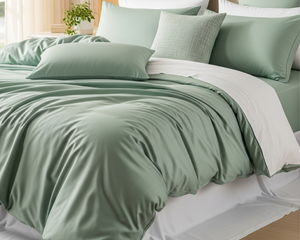
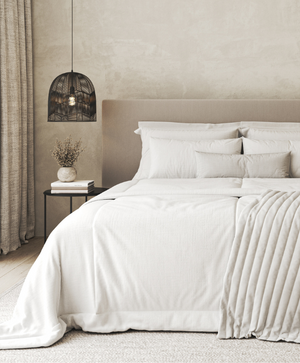
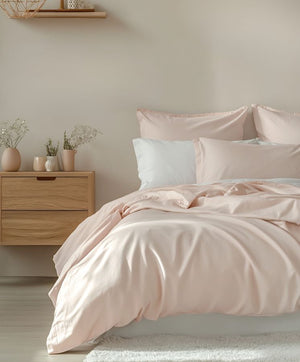
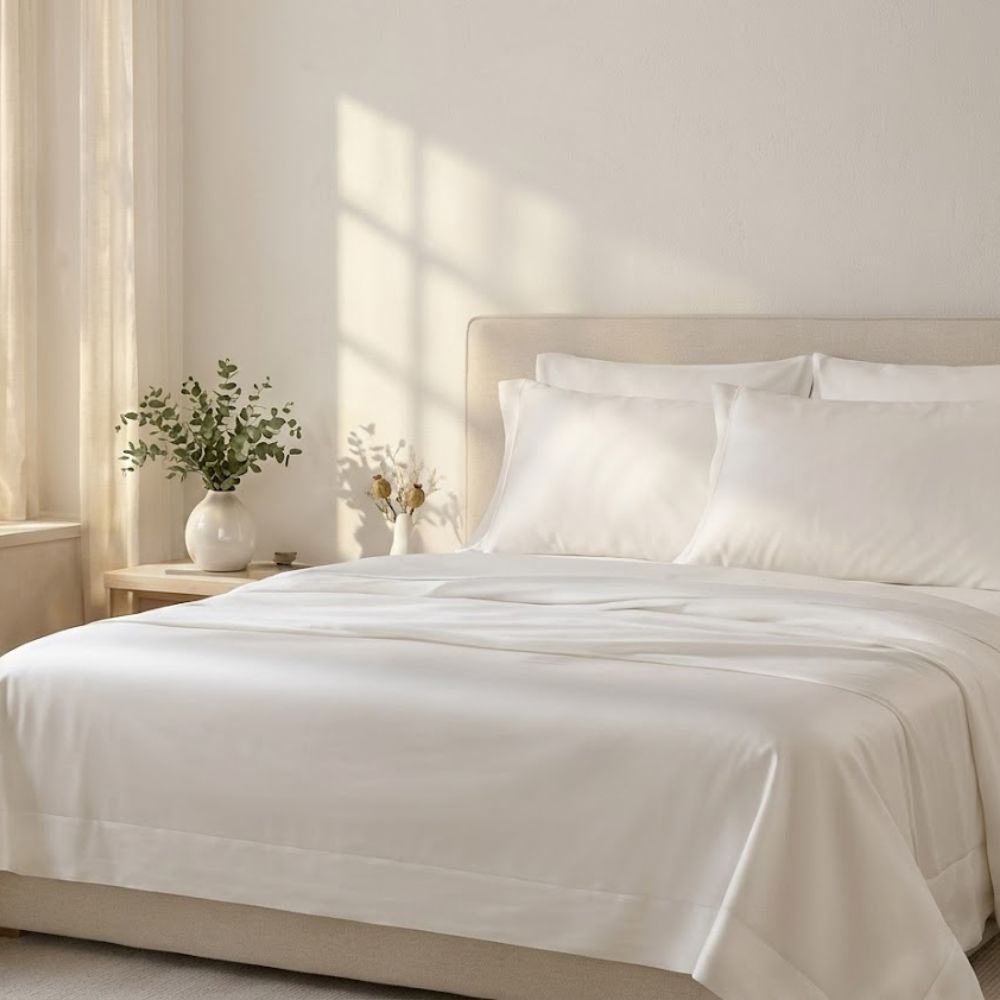
A beautiful bed can still be a hot one. If you wake at 2:17 a.m. kicking off the comforter, turning over a damp pillowcase, or searching for the cool side of the sheet, the problem is not simply your thermostat. Your bedding is part of your sleep climate. This guide to luxury cooling bedding separates genuine performance from polished marketing, so you can choose layers that feel as serene as they look.
What Luxury Cooling Bedding Should Actually Do
Luxury cooling bedding is not designed to feel icy on contact and then trap heat an hour later. Its purpose is to help your body maintain a comfortable sleep temperature through the night. That requires a material and construction that release heat, move moisture away from the skin, and remain soft without becoming heavy or clammy.
The distinction matters because “cooling” is used loosely across the bedding category. Some fabrics have a crisp initial touch but little capacity to manage perspiration. Others are breathable but rough, making them less appealing for bare skin. Premium bedding should deliver multiple benefits at once: a refined hand feel, dependable airflow, moisture management, and a finish that holds up after repeated laundering.
For hot sleepers, this can mean fewer wake-ups caused by overheating. For people with sensitive skin, it can mean a smoother, cleaner-feeling sleep surface with less friction. And for anyone investing in the bedroom as a place of recovery, it means choosing performance that is felt night after night, not merely advertised on a package.
Cooling Is a System, Not a Single Feature
No sheet set can overcome a heavy mattress protector, a heat-retaining foam mattress, and an insulated comforter. Cooling performance comes from the interaction of every layer around you.
Start closest to the body with fitted and flat sheets, pillowcases, and a duvet cover that can breathe and wick moisture. Then consider the fill inside your comforter or duvet. Finally, look at the mattress protector and pajamas, which can either support or interrupt the system. The best configuration is not necessarily the thinnest. It is the one that lets heat and humidity move rather than collect.
The Guide to Luxury Cooling Bedding Materials
Material is where most of the meaningful differences begin. Fiber type influences softness, airflow, moisture handling, durability, and the amount of care a fabric requires. It also helps explain why two products with similar claims can feel entirely different in your bedroom.
Bamboo Lyocell: Refined Cooling With a Silken Hand
Bamboo lyocell is especially well suited to luxury cooling bedding because it pairs a fluid, smooth feel with strong moisture-management potential. The fiber is made through a closed-loop lyocell process that recovers and reuses much of the water and solvent used during production. That is a material story worth understanding, particularly for shoppers who want premium comfort without treating sustainability as an afterthought.
The resulting fabric has an elegant drape rather than the stiff, papery feel sometimes associated with percale cotton. It feels cool and gentle against the skin, while its smooth surface helps create the polished, inviting look expected of a luxury bed. For sleepers who run warm but dislike crisp, structured sheets, bamboo lyocell can be a compelling middle ground.
Bamboo lyocell is often confused with bamboo viscose. Both may begin with bamboo pulp, but their manufacturing processes are not interchangeable. Viscose commonly relies on a more chemically intensive process, while lyocell is produced in a more controlled, closed-loop system. When a brand simply says “bamboo,” ask what kind of bamboo fiber it is. The answer affects both the fabric’s credentials and the transparency behind its claim.
Cotton, Linen, and Synthetics: Where They Fit
Long-staple cotton can be soft, durable, and highly breathable, especially in a lightweight percale weave. It remains an excellent choice for sleepers who love a crisp hotel-sheet finish. But cotton absorbs moisture rather than moving it as efficiently as certain regenerated cellulosic fibers, so it may feel less comfortable for people who sweat heavily at night.
Linen is naturally airy and exceptionally well suited to warm climates. Its texture, however, is more relaxed and visibly nubby. That is ideal for an undone, coastal bedroom but not always for someone seeking a smooth, silk-like finish or minimal friction against sensitive skin.
Synthetic performance fabrics can dry quickly, but they may retain odor, create static, or feel less breathable depending on their construction. They also tend to offer a different sensory experience from natural or cellulosic fibers. A blend is not automatically inferior, but it should have a clear purpose. If the brand cannot explain why a synthetic has been added, consider that a reason to look closer.
Construction Determines How the Fabric Feels
Fiber alone does not make a bed luxurious. Weave, weight, finishing, and fit determine whether a sheet stays cool and composed or becomes a slippery, short-lived disappointment.
Thread count is one of the most misunderstood indicators of quality. A high number is not a guarantee of a better sheet. It can be inflated through multi-ply yarns, which may make fabric denser and less breathable. Prioritize the fiber, weave, and yarn quality first. Then consider weight and drape based on how you prefer your bed to feel.
A lighter, more breathable fabric is usually best for warm sleepers and humid homes. A slightly more substantial fabric may suit people who want cooling benefits but prefer the enveloping feel of a dressed bed. Look for strong elastic on fitted sheets, generous pocket depth for modern mattresses, and well-finished seams. These practical details are part of luxury because they preserve the experience of making and sleeping in the bed.
For duvet covers, consider closures as carefully as fabric. Internal ties help keep an insert from shifting into a lopsided bundle, while a secure closure creates a cleaner finish. For pillowcases, envelope closures can keep pillows neatly concealed and make the bed look considered rather than casually assembled.
Build Layers for Your Sleep Temperature
A cooling bed should be adaptable. Room temperature changes with the season, households have different preferences, and couples often sleep at different temperatures. Your bedding should give you options instead of forcing a single, overly warm configuration.
Choose breathable sheets first, then use a duvet cover to create a flexible outer layer. A lighter comforter or duvet insert can work well year-round in warmer bedrooms, while a medium-weight insert may be better for homes with strong air conditioning or cooler winters. If one partner sleeps hot and the other sleeps cold, separate blankets can be more effective than compromising with one excessively heavy comforter.
Do not overlook the mattress protector. A thick waterproof membrane can reduce the breathability of an otherwise high-performing sheet set. If protection is necessary, seek a breathable option and avoid adding unnecessary layers between your body and the mattress.
Look Beyond “Chemical-Free” Marketing
Sophisticated shoppers should expect precision in language. No textile exists without processing, so blanket claims that bedding is entirely chemical-free deserve context. What matters is the production process, the substances used, and whether the finished product has been independently tested for harmful levels of known substances.
OEKO-TEX certification is one useful trust marker because it indicates that a finished textile has been tested against a list of potentially harmful substances. It does not replace thoughtful sourcing or make every environmental claim equal, but it gives consumers a meaningful standard to look for when skin safety is a priority.
Ask whether dyes and finishes have been considered, whether the brand identifies its fiber type clearly, and whether it explains how the material was made. Premium pricing should be supported by this level of transparency. A luxurious sleep experience feels better when the material story is as considered as the visual one.
Care That Protects the Cooling Feel
High-quality cooling bedding should become part of your routine without demanding elaborate maintenance. Wash sheets and pillowcases weekly, using cold or warm water and a gentle detergent. Avoid fabric softeners, which can coat fibers and interfere with the moisture-wicking, breathable qualities that made you choose the fabric in the first place.
Low-heat drying is the safer choice for preserving fibers and minimizing wear. Remove bedding promptly to limit wrinkles, or line dry when practical. Bleach and harsh stain treatments should be used carefully, if at all, because they can weaken delicate fibers and affect color over time.
It also helps to rotate between two sheet sets. This gives each set time to rest between washes, simplifies laundry day, and extends the life of the fabric. Luxury is not about keeping bedding untouched. It is about preserving the softness and performance that make your bed feel exceptional every evening.
A well-made bed should not ask you to choose between a beautiful room, responsible materials, and deeper rest. Choose layers that feel cool, move with your body, and reward the moment you finally turn off the light. That is the kind of premium comfort you deserve to sleep in.


