

Cart
0

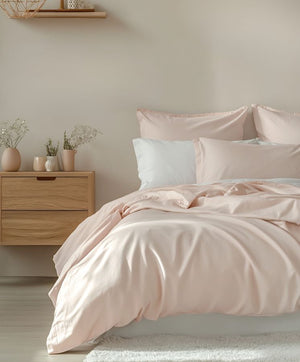
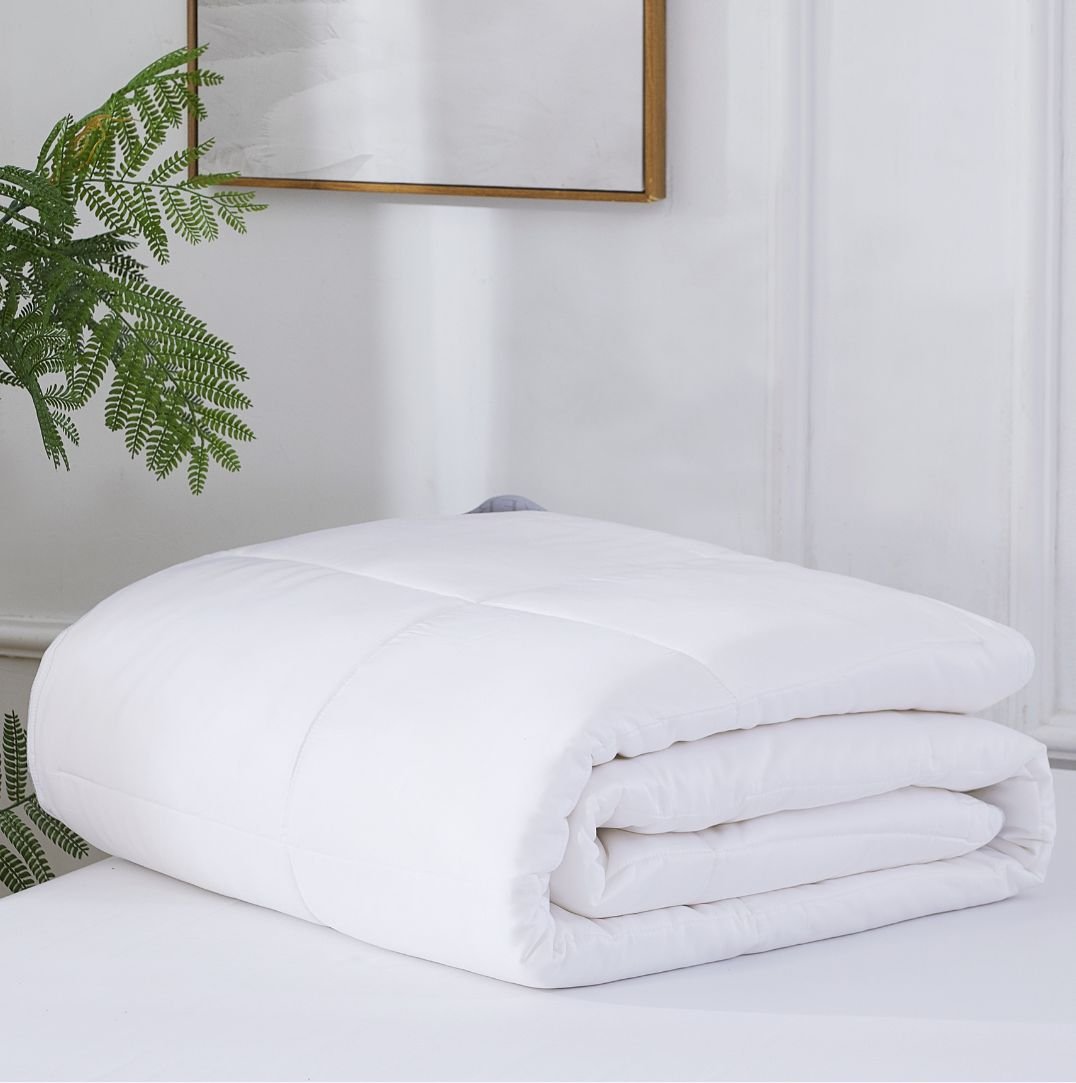
If you wake up tangled in damp bedding at 2 a.m., the problem is rarely just your body temperature. More often, it is the comforter trapping heat, holding moisture, and turning your bed into a sealed environment. The best comforters for hot sleepers do the opposite. They release excess warmth, breathe steadily through the night, and help your sleep surface feel dry instead of heavy.
That sounds simple, but this category is crowded with vague cooling claims. Some comforters feel cool for the first few minutes and then trap heat by midnight. Others are lightweight but so thin they leave you uncomfortable once the room temperature drops. If you sleep warm, the right choice comes down to material science as much as softness.
What the best comforters for hot sleepers actually do
A good cooling comforter is not trying to make you cold. It is designed to regulate. That means it lets body heat escape, moves moisture away from the skin, and maintains a balanced feel across the night rather than creating short bursts of coolness.
This is where many shoppers get misled. A slick fabric finish can feel cool to the touch in the showroom or right out of the package, but that surface sensation is not the same as breathable performance. Hot sleepers usually need a comforter with airflow, moisture management, and a fill that does not collapse into a dense, insulating layer.
For most people, the shell fabric matters just as much as the fill. If the outer fabric is tight, plastic-like, or poor at handling humidity, even a decent fill can end up sleeping warm. The best results usually come from a shell that feels soft and breathable paired with a fill that is light, evenly distributed, and not overly bulky.
The materials that tend to sleep coolest
If you are comparing options, start with the material before you look at marketing language.
Bamboo lyocell
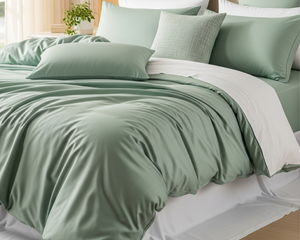
Bamboo lyocell is one of the strongest choices for hot sleepers because it combines a smooth hand feel with genuine moisture management and breathable performance. It tends to feel cool, not in a synthetic, slippery way, but in a cleaner, drier, more temperature-aware way. For people who overheat easily or deal with night sweats, this matters more than a generic "cooling" label.
It is also a smart option for sensitive skin. A comforter sits close to the body for hours, so the fabric should feel gentle and clean, not chemically harsh or overly treated. Premium bamboo lyocell stands apart from lower-grade bamboo viscose because the production method and finished fiber quality are different, and those differences can show up in both comfort and long-term performance.
Lightweight down
Down can work for hot sleepers, but only under specific conditions. A lightweight down comforter with a breathable cotton shell can offer airy insulation without excessive heaviness. The challenge is that down varies widely. Higher fill power can create loft that allows airflow, but too much fill can still become warm, especially for people who run hot year-round.
If you like the cloudlike feel of down, look for a lightweight or summer-weight construction rather than an all-season version. Otherwise, you may end up paying for luxury and still kicking the comforter off by morning.
Down alternative
This category is mixed. Some down alternative comforters are breathable and comfortable, while many are made from polyester fills that retain heat and moisture. They can be affordable and allergy-friendly, but hot sleepers need to be selective.
If you choose down alternative, pay attention to loft and density. A fluffy look can be appealing, yet dense synthetic fill often sleeps warmer than expected. A lighter, better-ventilated design is usually the safer route.
Cotton
Cotton is familiar and widely available, but it is not automatically the coolest option. Percale cotton shells can breathe well and feel crisp, which some hot sleepers love. Still, cotton generally does not manage moisture as effectively as more advanced fibers, especially if you sweat during the night.
That does not mean cotton is a poor choice. It means it is best for sleepers who get mildly warm, not those dealing with pronounced overheating or humidity buildup.
How to judge the best comforters for hot sleepers
The fastest way to narrow the field is to evaluate a few practical details instead of relying on branding language.
First, look at weight. Hot sleepers usually do better with lightweight or light-medium comforters. Heavy fill can feel comforting for a few minutes, then become stifling once body heat builds. If you share a bed with a partner who sleeps cooler, this gets more nuanced. In that case, a breathable comforter with strong temperature regulation often works better than simply choosing the thinnest possible option.
Next, inspect the shell fabric. This is the layer touching your duvet cover and indirectly affecting how heat and moisture move. A breathable shell made from bamboo lyocell or quality cotton percale usually performs better than shells that feel coated, overly slick, or tightly sealed.
Then consider construction. Baffle box and sewn-through designs both have trade-offs. Baffle box construction can preserve loft and reduce clumping, which is helpful for even comfort. Sewn-through constructions often feel lighter and less insulated, which some hot sleepers prefer. There is no universal winner here. If you sleep very hot, a simpler, lighter build may outperform a plush, lofty one.
Finally, think about maintenance. A comforter that cannot be cleaned easily may hold onto sweat, oils, and allergens over time, all of which can make the bed feel less fresh. Washability and material resilience matter more than many shoppers expect.
What to avoid if you sleep hot
The biggest red flag is vague cooling language without material specifics. If a product promises advanced cooling but does not clearly explain the shell, fill, or fabric composition, be cautious. Performance bedding should be measurable and understandable.
Another common mistake is buying for appearance first. Oversized, overstuffed comforters can look luxurious on the bed, but they often create the exact microclimate hot sleepers are trying to escape. Loft is not the same as breathability.
You should also be careful with low-cost microfiber. It can feel soft at first touch, yet many microfiber comforters trap heat and humidity. For someone who already sleeps warm, that softness can come with a long night of tossing and turning.
A practical shortlist of the best types
If you want a clear buying path, the best options usually fall into a few categories.
A bamboo lyocell comforter is often the strongest overall pick for hot sleepers who want softness, moisture control, and a more elevated sleep experience. It suits people who want cooling performance without sacrificing luxury.
A lightweight down comforter makes sense for sleepers who still want loft and insulation but need a less heat-retentive version of traditional bedding. It is especially useful in cooler climates or strongly air-conditioned bedrooms.
A breathable down alternative comforter can work for shoppers who want easier care or prefer to avoid down, as long as the fill is not overly dense and the shell is genuinely breathable.
A cotton percale comforter is a reasonable choice for mildly warm sleepers who prioritize a crisp, classic feel and do not deal with frequent night sweats.
For shoppers who want material integrity, skin-conscious construction, and cooling that extends beyond a marketing phrase, brands built around fiber performance tend to offer a better experience than trend-driven mass options. That is one reason premium bamboo lyocell bedding, including collections like Verleu's, appeals to people who are done guessing and ready to sleep in something that actually performs.
The right choice depends on your version of hot
Not every hot sleeper is the same. Some people feel warm only when the room temperature rises. Others experience full night sweats, hormonal shifts, or heat buildup from dense mattresses. Your best comforter should match that reality.
If you sleep slightly warm, a breathable cotton or lightweight down option may be enough. If you wake up damp, throw off the covers, or constantly flip the pillow searching for a cool spot, you will likely need better moisture-wicking and stronger airflow. In that case, bamboo lyocell is often the more effective answer.
Your mattress and duvet cover also affect results. Even the best comforter cannot fully compensate for a heat-trapping memory foam bed or a heavy synthetic duvet cover. Cooling sleep works as a system, and each layer matters.
Price is another honest consideration. Premium cooling comforters cost more because better fibers, cleaner production, and more refined construction cost more. The real question is whether the performance shows up at night. For hot sleepers, the difference between decorative bedding and functional bedding is not subtle. It is the difference between interrupted sleep and actual rest.
The best comforter should feel almost unremarkable in use. No overheating, no dampness, no midnight adjustments. Just a bed that stays calm, dry, and comfortable enough to let you sleep like you deserve to.


