

Cart
0



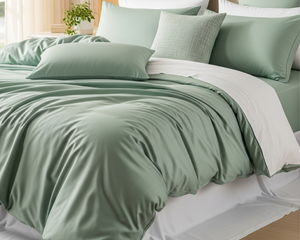
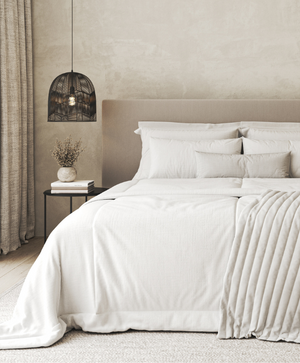
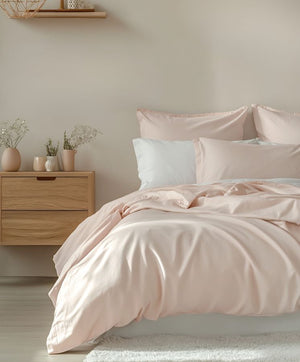
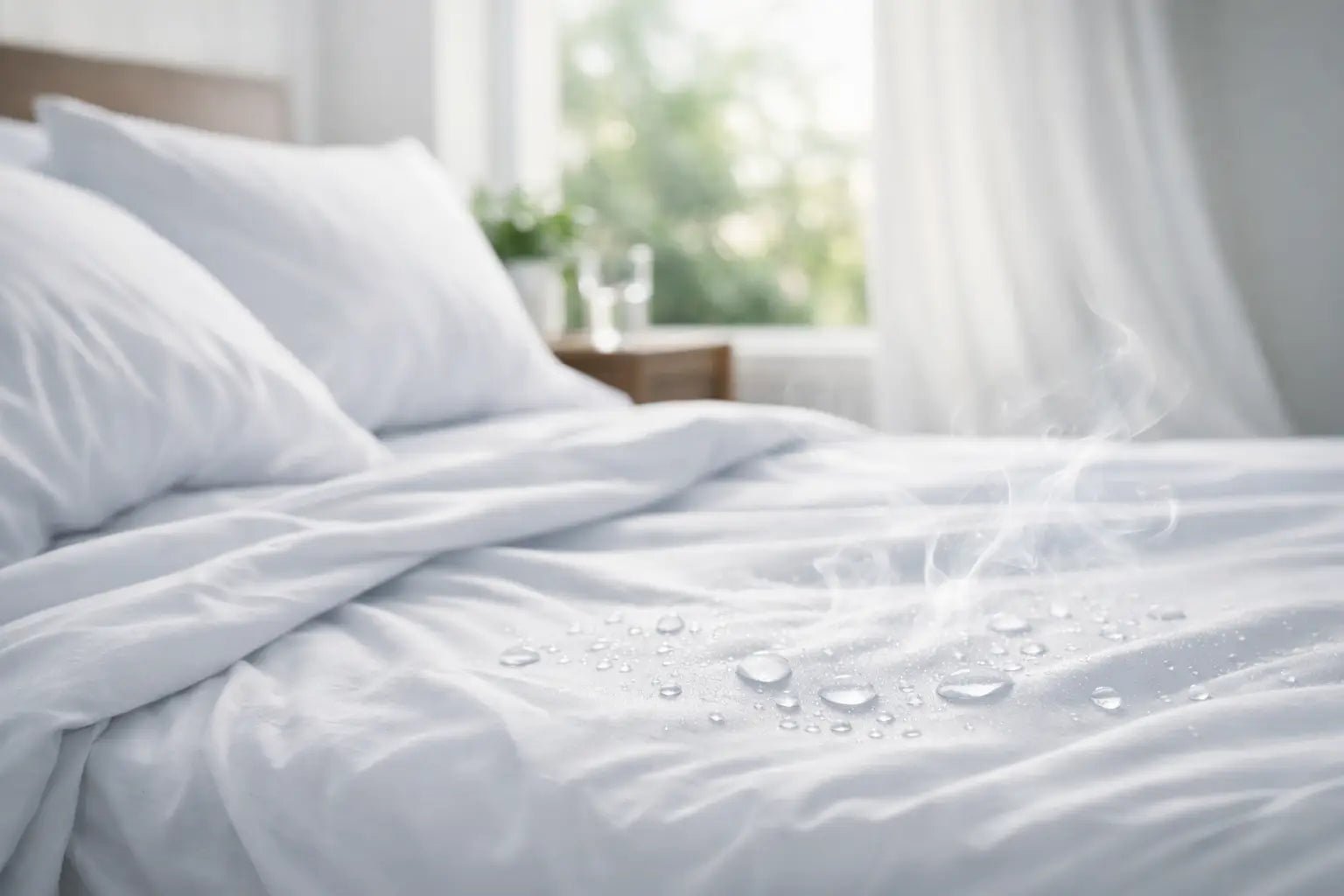
A warm bedroom can make even the most beautiful bed feel uninviting. When sweat collects against the skin, sheets cling, pillowcases feel damp, and small disruptions can turn into a restless night. Moisture wicking bedding is designed to interrupt that cycle by moving perspiration away from your body and helping it evaporate more efficiently.
For hot sleepers, night-sweat sufferers, and anyone who wants their bed to feel fresher by morning, this performance matters. But not every fabric marketed as cooling or breathable handles moisture in the same way. The fiber, weave, finish, and care routine all influence whether bedding stays comfortably dry or simply feels soft for the first few minutes.
What Moisture Wicking Bedding Actually Does
Wicking is the movement of moisture through a fabric rather than its storage at the surface. Your body naturally releases heat and humidity throughout the night. When perspiration remains trapped between your skin and your sheets, it can make you feel warmer and create that uncomfortable clammy sensation that interrupts deep rest.
A moisture-wicking fabric draws that humidity across its fibers, dispersing it over a wider area where it can evaporate. The goal is not to make sweat disappear. It is to keep moisture from pooling against your skin long enough to affect comfort.
This is different from simple absorbency. A highly absorbent towel can hold a great deal of water, but it may stay wet for hours. Bedding needs a more balanced performance: enough moisture management to pull perspiration away from the body, plus enough breathability for that moisture to release into the surrounding air.
Temperature regulation works alongside this process. As moisture evaporates, it can help your body shed heat. That is why bedding that feels dry, airy, and smooth often supports a cooler sleep environment, even when the room temperature has not changed.
Why Fiber Choice Changes the Feel of Your Bed
Cotton, linen, silk, polyester, and bamboo-derived fabrics can all feel pleasant, but their behavior around heat and humidity differs considerably. Cotton is familiar and breathable, yet its performance depends heavily on staple length, weave, weight, and finish. Dense cotton percale can feel crisp and airy, while heavier sateen may feel warmer and retain more moisture against the body.
Polyester blends are often promoted for fast drying, and they can be effective in athletic apparel. In bedding, however, synthetic fibers may be less breathable and can hold onto body heat for some sleepers. A quick-drying sheet is not necessarily a cooler sheet.
Linen offers excellent airflow and has a naturally relaxed texture, although its more textured hand is not everyone’s preference. Silk feels exceptionally smooth and can help reduce friction on skin and hair, but it requires more delicate care and may not offer the same practical everyday moisture management as a high-quality regenerated cellulosic fiber.
Bamboo lyocell is especially compelling because it pairs a refined, silky hand with performance that suits warm, humid sleep conditions. Its fibers help manage moisture while allowing air to circulate, creating a dry-touch sensation that feels polished rather than technical. The result is premium comfort with a functional purpose: a bed that is less likely to feel heavy or sticky as the night progresses.
Bamboo Lyocell Versus Bamboo Viscose
The word “bamboo” alone does not tell you enough about a sheet’s quality or production method. Bamboo viscose and bamboo lyocell both begin with bamboo pulp, but the process used to transform that pulp into fiber is meaningfully different.
Bamboo lyocell is produced in a closed-loop process that recaptures and reuses much of the solvent and water involved in manufacturing. This approach is widely regarded as a cleaner, more responsible way to create a regenerated cellulosic fiber. It also produces a smooth, strong fiber well suited to luxurious bedding.
Bamboo viscose is more common and can still feel soft, but it is typically made through a more chemically intensive process. That distinction matters to shoppers who care about material transparency, environmental responsibility, and what touches their skin for eight hours at a time.
For a premium bed, softness should not be the only benchmark. Ask what the fiber is, how it was made, and whether the finished textile has been independently tested for harmful substances. Certifications such as OEKO-TEX can offer useful reassurance, particularly for sensitive skin, though no certification replaces thoughtful material sourcing and clear product information.
Who Benefits Most From Moisture Management?
Moisture-wicking bedding is not reserved for people who wake up drenched in sweat. It can improve sleep comfort for anyone whose body temperature rises overnight, including couples with different sleep preferences and people living in warmer climates.
It is also a smart consideration for sensitive skin. Damp, overheated fabric can increase the sensation of irritation, especially when sheets are rough, heavily treated, or overdue for washing. A smooth, breathable surface reduces friction and helps maintain a more comfortable microclimate around the body.
People who use layered bedding may notice the biggest difference. A breathable sheet set alone cannot fully compensate for a dense comforter, a non-breathable mattress protector, or a foam mattress that holds heat. Performance is cumulative. Your sheets, duvet cover, comforter fill, sleepwear, and bedroom ventilation all contribute to the conditions you experience at 3 a.m.
How to Build a More Comfortable Sleep System
Start with the layer closest to your skin. Fitted sheets, flat sheets, and pillowcases have the most direct influence on whether you feel dry and comfortable. Choose a breathable fiber with a smooth finish, then consider the weight of the rest of your bedding.
A lightweight, moisture-managing comforter can be more effective than lowering the thermostat and piling on blankets you later kick off. If you sleep with a duvet, the cover matters as much as the insert. A breathable bamboo lyocell duvet cover can help prevent a well-made comforter from feeling insulated by a dense outer shell.
Color and thread count deserve a more measured approach. Dark colors may absorb more warmth in a sunlit room, but they are not the central factor in overnight heat regulation. Thread count is also not a universal quality score. Extremely high thread counts can signal a tighter weave that limits airflow, while a thoughtfully constructed fabric with a moderate count may feel more breathable and durable.
Finally, leave room for personal preference. Some sleepers prefer the crispness of percale, while others want the fluid, draped feel of lyocell. The best choice is the one that supports your temperature needs without sacrificing the texture that makes you look forward to getting into bed.
Care That Preserves Wicking Performance
Fabric care affects how bedding handles moisture over time. Body oils, detergent residue, and too much fabric softener can coat fibers, reducing their ability to breathe and wick effectively. Wash sheets regularly according to their care label, use a gentle detergent, and avoid overloading the machine so water can move freely through the fabric.
Cool or warm water is usually sufficient for routine laundering, while high heat can place unnecessary stress on delicate fibers. If you use a dryer, choose a low setting and remove bedding promptly. This helps preserve softness, minimizes wrinkles, and protects the fiber integrity that gives luxury bedding its distinctive drape.
A cleaner sleep surface is also a more comfortable one. Fresh sheets do not just look refined. They allow the fabric’s natural moisture-management qualities to work as intended.
Verleu’s Héritage collection is built around this principle, pairing bamboo lyocell’s elegant softness with the breathable, moisture-aware performance a more restorative bedroom demands.
Your bed should feel like a serene cascade at the end of a long day, not another source of heat and friction. Choose materials with a clear purpose, care for them well, and let every layer of your sleep environment earn its place.


