

Cart
0



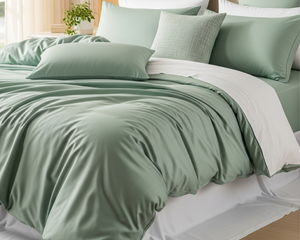
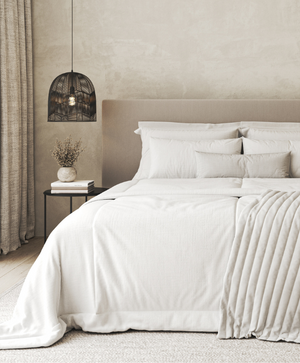
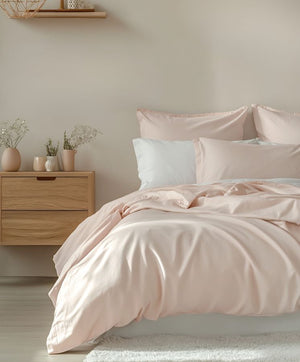
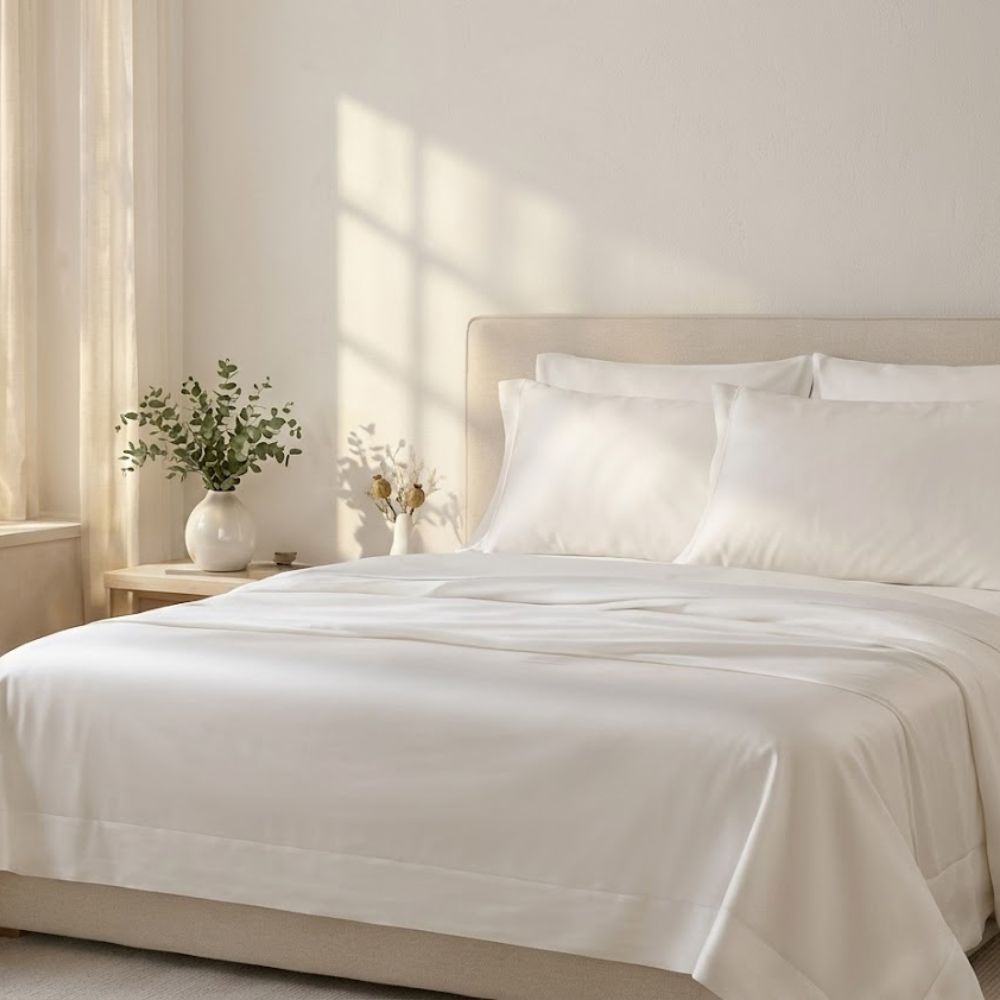
If your sheets feel pleasant when you first get into bed but turn warm and sticky by 2 a.m., the problem usually is not just your room temperature. It is the fabric holding onto heat and moisture. That is exactly where how bamboo lyocell sheets cool becomes more than a marketing claim. The cooling effect comes from how the fiber is built, how it handles humidity, and how it rests against the skin over the course of a full night.
Premium bedding should do more than look polished on the bed. It should actively support better sleep by helping your body regulate temperature without that clammy, overheated feeling that often comes with lower-performing fabrics. Bamboo lyocell stands out because it is engineered to manage the conditions that make sleep uncomfortable, rather than simply feeling cool for a few minutes at first touch.
How bamboo lyocell sheets cool in real use
Cooling bedding is often misunderstood. Many people expect a sheet to feel icy cold all night, but that is not how sleep comfort works. The goal is not to force your body temperature down. The goal is to prevent heat buildup, release excess warmth, and move moisture away before it lingers on the skin.
Bamboo lyocell does this through a combination of breathability, moisture management, and a very smooth fiber surface. Together, those qualities create a more temperature-balanced sleep environment. Instead of trapping body heat in dense, less responsive yarns, the fabric allows air and humidity to move more freely.
That difference matters most for hot sleepers, couples who share body heat, and anyone whose sleep gets interrupted by sweating or damp bedding. A fabric that can adapt to those conditions tends to feel cooler because it avoids the cycle of overheating, perspiring, and waking up uncomfortable.
The fiber structure is the first reason bamboo lyocell feels cooler
Not all bamboo-derived fabrics perform the same way. That distinction matters. Bamboo lyocell is produced through a more advanced closed-loop process that creates a refined cellulosic fiber with a smooth, consistent structure. That structure affects how the final textile handles air, moisture, and skin contact.
Because the fibers are fine and uniform, bamboo lyocell fabrics can be woven into sheets that feel light, fluid, and breathable without feeling flimsy. Airflow is a major part of perceived coolness. When heat from your body can dissipate instead of becoming trapped between your skin and the sheet, the bed feels more stable and less stuffy.
This is also why high-quality bamboo lyocell tends to perform differently from cheaper alternatives that are sold under broad bamboo claims. Fabric construction, fiber purity, and finishing all affect whether a sheet truly helps with cooling or simply feels soft in the package.
Smooth fibers reduce heat-trapping friction
There is another part of cooling that often gets ignored. Rougher fabrics create more friction against the skin, and that friction can make a bed feel warmer and less comfortable over time. Bamboo lyocell has an exceptionally smooth handfeel, which helps the fabric glide rather than cling.
That matters if you toss and turn, sleep in warm conditions, or have sensitive skin that reacts to heavy, abrasive textiles. A smoother surface can feel cooler because it does not create the same dense, congested sensation as coarser bedding. The result is a lighter, cleaner contact with the body.
Moisture management is where cooling performance really shows up
For many adults, overheating at night is not just about heat. It is about humidity. The moment perspiration stays on the skin or gets trapped in the bedding, sleep can shift from warm to oppressive very quickly.
Bamboo lyocell is valued for its ability to wick moisture away from the body and disperse it through the fabric more efficiently than many conventional materials. That movement helps sweat evaporate instead of collecting in one place. When moisture leaves the skin faster, you feel drier, and dry skin generally feels cooler than damp skin.
This is one of the main reasons bamboo lyocell sheets often appeal to hot sleepers and people dealing with night sweats. The fabric is not acting like an air conditioner. It is helping regulate the microclimate around your body so heat and humidity do not become trapped.
Why dry sheets feel cooler than wet sheets
A sheet can be breathable on paper and still sleep warm if it does not manage moisture well. Once fabric becomes damp, it starts to cling, compress, and lose that fresh, airy feel. You notice every fold, every patch of humidity, every warm spot under the body.
Bamboo lyocell helps interrupt that cycle. By moving moisture away from the skin, it helps preserve the sheet's lighter feel throughout the night. That is a practical kind of cooling, and for many sleepers, it is more meaningful than an initially cool handfeel that disappears after a few minutes.
How bamboo lyocell sheets cool compared with cotton and bamboo viscose
Cotton remains familiar and widely loved, but cooling performance depends heavily on the cotton type, weave, and weight. Crisp percale cotton can feel breathable and fresh, while heavier cotton sateen may feel warmer and more insulating. Cotton can work well for many sleepers, but it often holds more moisture against the body once conditions get humid.
Bamboo lyocell typically feels smoother and more fluid than cotton, with stronger moisture-management performance and a silkier drape. That combination can give it an edge for people who overheat easily or dislike that dry-to-damp shift during the night.
Compared with bamboo viscose, the conversation becomes more specific. Consumers often see bamboo used as a blanket term, but the underlying manufacturing process matters. Bamboo lyocell is positioned as the cleaner, more technologically advanced option, and that distinction often aligns with what discerning shoppers want from premium bedding: performance, consistency, and a more responsible material story.
That does not mean every bamboo lyocell sheet will outperform every other sheet on the market. Weave, weight, finishing, and quality control still matter. But if your goal is a luxurious sheet that feels cool, smooth, and dry rather than just soft, bamboo lyocell has real material advantages.
Cooling depends on more than the fiber alone
The most honest answer to how bamboo lyocell sheets cool is that the fiber creates the potential, but the final performance depends on the entire product. A dense weave may feel richer and slightly warmer. A lighter construction may feel airier. Your mattress protector, comforter, room temperature, and even the pajamas you wear will also influence whether the bed feels cool.
This is why some people try cooling sheets and feel only a modest change, while others notice a dramatic improvement. If the rest of the bed is insulating heat, sheets can only do so much. But when the sleep setup is reasonably breathable, bamboo lyocell often becomes one of the most noticeable upgrades.
For couples, it can be especially useful because shared body heat tends to intensify humidity in the bed. For sensitive skin, the smoothness is another benefit. Less friction and less retained moisture can mean a calmer, more comfortable sleep surface.
Who benefits most from bamboo lyocell cooling performance
If you regularly wake up sweaty, kick off the covers, or flip your pillow searching for the cool side, bamboo lyocell is worth serious attention. The same is true if you sleep warm but still want bedding that feels elegant, not clinical. Cooling should not require sacrificing softness or visual refinement.
This fabric also suits people who want cleaner material standards in addition to comfort. Luxury bedding has moved beyond thread-count theater. Today, performance includes how a textile feels on the skin, how it behaves through the night, and whether its manufacturing aligns with higher expectations for safety and sustainability.
That is part of why brands like Verleu focus so heavily on educating customers about bamboo lyocell rather than using generic bamboo language. The details are what separate premium comfort from a premium price tag without premium results.
What cooling should feel like night after night
The best cooling sheets do not announce themselves with a gimmick. They simply let you sleep without constantly noticing heat, dampness, or irritation. Bamboo lyocell tends to feel cool because it stays breathable, manages moisture well, and maintains a smooth, light contact against the skin.
For some sleepers, that means fewer wake-ups and a drier bed. For others, it means the bedroom feels more serene, more polished, and more aligned with the kind of rest they have been trying to create. If your current sheets look beautiful but sleep hot, the right fabric can change the entire experience of the bed.
When bedding works with your body instead of against it, cooler sleep stops feeling like a luxury feature and starts feeling like the standard it should have been all along.


