

Cart
0



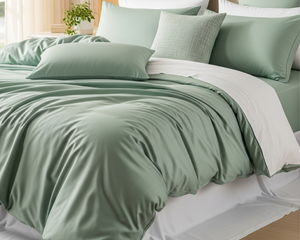
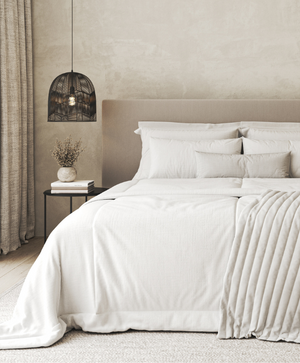
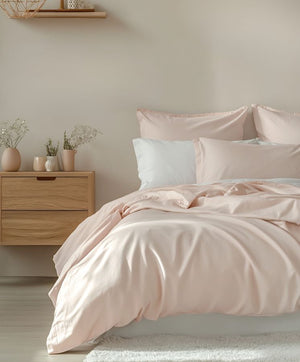
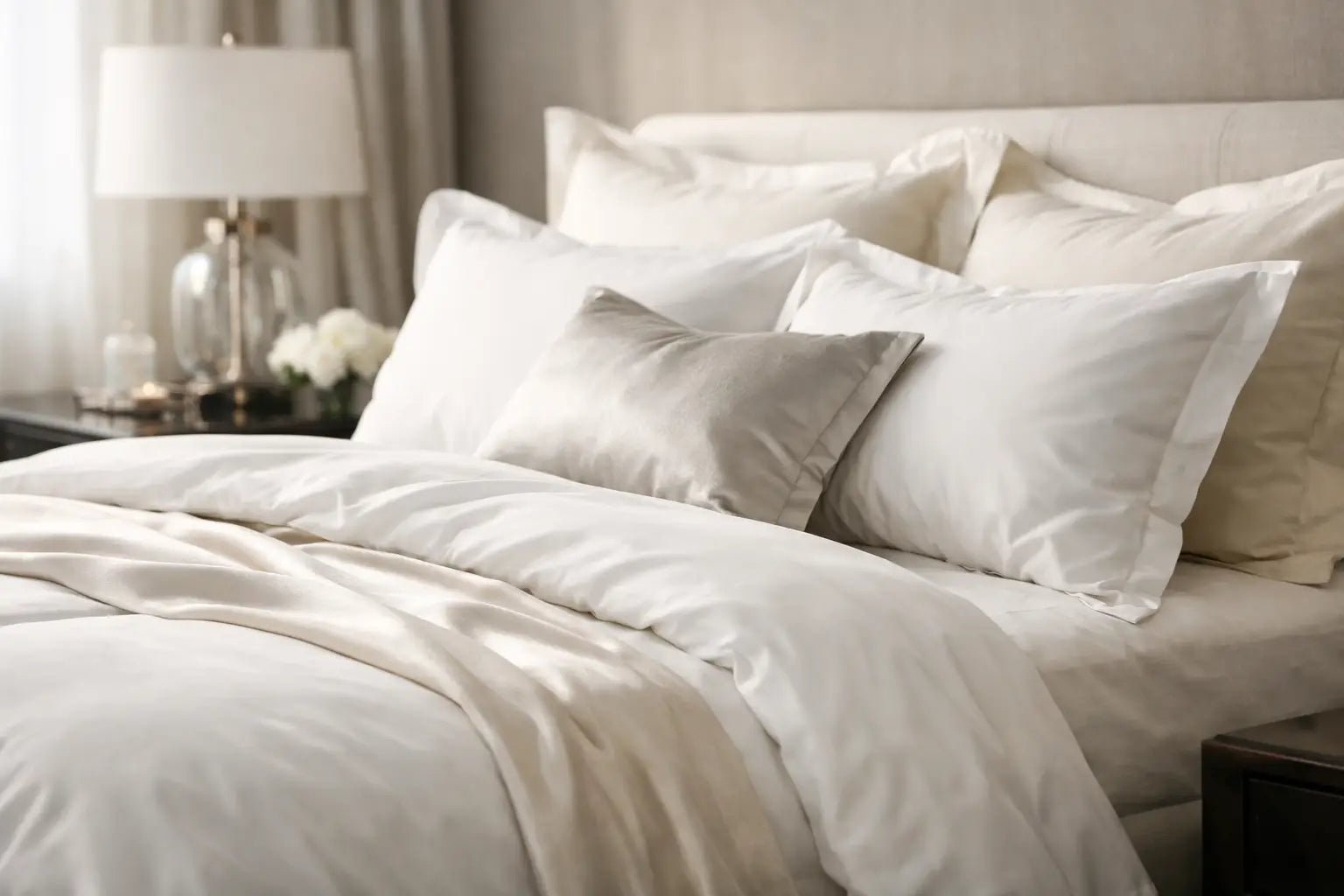
A bed can look impeccable and still sleep poorly. That is the disconnect most shoppers discover after spending real money on sheets that feel smooth for a week, trap heat by midnight, or lose their finish after a few washes. A true luxury bedding buying guide should do more than point to a high thread count or a polished product photo. It should help you identify what actually improves sleep.
Luxury bedding sits at the intersection of comfort, temperature regulation, skin feel, durability, and material integrity. If one of those elements is missing, the experience starts to feel expensive rather than elevated. For hot sleepers, people with sensitive skin, and anyone building a bedroom around wellness rather than appearance alone, the right bedding should perform every night, not just impress at first touch.
What luxury bedding should actually deliver
The word luxury gets applied loosely in bedding. Sometimes it means ornate design. Sometimes it signals a premium price with very little explanation behind it. In practice, luxury should be measurable. The fabric should feel consistently soft, drape beautifully, regulate temperature well, and maintain its hand feel over time. It should also be made with a level of care that supports skin safety and long-term quality.
That is why material matters more than branding language. Bedding that feels heavy, overly coated, or artificially slick may create an immediate sense of richness, but those finishes can fade quickly. The better standard is a fabric whose comfort comes from the fiber itself. When softness, breathability, and moisture management are built into the construction, the result is a more stable sleep environment.
A luxury bedding buying guide starts with fabric
If you want better sleep, start with what touches your skin for eight hours a night. Fiber choice shapes nearly every part of the experience, from cooling performance to softness to how the bed ages after repeated washing.
Cotton remains familiar for a reason. Good long-staple cotton can feel crisp, breathable, and classic. But cotton is not one category. Some cotton bedding is airy and refined, while other sets feel dry, dense, or prone to wrinkling. Cotton can also hold moisture longer than some performance-oriented fibers, which matters if you tend to sleep warm.
Linen offers texture, airflow, and an intentionally relaxed look. It can be excellent in warm climates, but it is not always what shoppers expect from luxury if they are seeking a smooth, fluid hand feel. Linen softens over time, yet it often retains a more structured texture that some people love and others never fully warm to.
Silk is elegant and gentle on skin and hair, but it is high maintenance and less practical for everyday full-bed use. It works best when the priority is a very specific sensory experience rather than easy care.
Then there is bamboo. This is where many premium shoppers need clarity, because not all bamboo bedding is created the same way. The market often groups bamboo viscose, rayon from bamboo, and bamboo lyocell under the same soft-focus language, but the manufacturing methods are not equivalent. Bamboo lyocell is generally considered the more advanced option, using a cleaner closed-loop process and producing a fabric known for exceptional softness, moisture management, and a cooler feel against the skin. For shoppers who want luxury to include both performance and cleaner production, that distinction matters.
Why hot sleepers should look beyond softness
Softness sells bedding. Temperature regulation keeps it on the bed.
If you wake up overheated, sweaty, or constantly shifting the covers, the issue is rarely just your mattress. Sheets, duvet covers, and even pillowcases can trap heat and humidity around the body. In a premium bedding set, the fabric should allow airflow while moving moisture away from the skin. That combination helps your bed feel fresher and more stable through the night.
This is where bamboo lyocell stands out. It has a cool, silky hand feel without the heavy insulation that some sateen cottons can create. It also tends to wick moisture effectively, which helps reduce that damp, sticky feeling that interrupts sleep. For couples with different sleep temperatures, this can make a noticeable difference. Bedding cannot change your body chemistry, but it can reduce the friction between your body and your sleep environment.
The truth about thread count, weave, and finish
Thread count still dominates bedding marketing, even though it is one of the least reliable indicators of quality on its own. A high number can sound impressive, but it does not guarantee softness, breathability, or durability. In some cases, it can simply mean multi-ply yarns or denser construction that feels heavier than expected.
A better question is how the fabric is woven and finished. Percale typically feels crisp and light. Sateen feels smoother and more fluid, often with a subtle sheen. Neither is inherently superior. It depends on whether you prefer a cool hotel-like finish or a silkier drape. With bamboo lyocell, the appeal often comes from its naturally smooth, luminous surface and serene cascade on the bed.
Finishing also matters. If a sheet feels unnaturally slick or chemically treated, that sensation may not last. Premium bedding should not rely on cosmetic coatings to imitate softness. It should feel refined because the underlying fiber and fabric construction are refined.
Sensitive skin changes the standard
For shoppers with eczema, allergies, or easily irritated skin, bedding is not just a style decision. It is part of the daily wellness equation.
Look for materials that are breathable, gentle, and free from unnecessary chemical exposure. Certifications such as OEKO-TEX can offer reassurance that the finished fabric has been tested for harmful substances. That does not replace informed shopping, but it is a meaningful trust marker in a category full of vague claims.
Hypoallergenic performance is also worth understanding clearly. No fabric can promise a medical outcome for every sleeper, but some materials are simply better suited to a cleaner, calmer sleep surface. Smooth fibers with strong moisture management can help reduce the irritation that comes from heat, sweat, and friction. That is one reason performance-minded luxury buyers increasingly prefer bamboo lyocell over rougher or more heavily processed alternatives.
Build your bed layer by layer
A luxury bed works as a system. Sheets matter, but so do the layers above them.
Start with the fitted and flat sheet set, since these create the primary sleep surface. Then consider your duvet cover or comforter based on climate and your bedroom temperature. If your bedding traps heat, adding more expensive layers will not solve the problem. You need each component to complement the others.
A breathable duvet cover can preserve the cooling benefits of your sheets, while a dense cover in the wrong fabric can cancel them out. Pillowcases deserve the same scrutiny. Your face rests there for hours, so softness, skin safety, and moisture control are especially relevant.
If your goal is a complete upgrade, prioritize the pieces you interact with most directly, then expand. Many shoppers do better investing in fewer, better layers rather than overfilling the bed with decorative extras that add weight without improving sleep.
What justifies a premium price
The best luxury bedding is expensive for identifiable reasons. Better raw materials cost more. Cleaner production methods cost more. Careful construction, stronger stitching, and higher consistency across batches cost more. Premium pricing becomes questionable when the product leans on image but stays vague about fiber, finish, and certifications.
Ask practical questions. What exactly is the fabric made from? How is it processed? Will it suit hot sleepers? Is it tested for harmful substances? How should it feel after fifty washes, not five nights?
A strong premium brand answers those questions directly. At Verleu, for example, the emphasis on bamboo lyocell over conventional bamboo viscose speaks to a more informed definition of luxury - one grounded in cooling performance, cleaner chemistry, and durability that supports the sleep experience over time.
How to shop with fewer regrets
Read product descriptions slowly. If a brand keeps repeating words like soft, premium, and elevated without explaining the fabric technology or construction, that is a signal. Real quality tends to come with specifics.
Pay attention to return policies as well. Luxury bedding should inspire confidence, but bedding is still personal. A generous return window suggests the brand understands that feel, temperature, and comfort have to work in a real bedroom, not just in marketing.
Care instructions matter more than they seem. If a fabric requires unusually delicate treatment for everyday use, make sure that fits your routine. Practical luxury is still luxury. In many households, the best bedding is not the set that demands the most care. It is the one that makes every night feel more restorative without becoming a project.
The right bedding should quiet the room in a very specific way. It should look polished, feel effortless against the skin, and help your body stay settled for longer stretches of sleep. When you shop through that lens, luxury becomes easier to recognize. Not as decoration, but as performance you can feel when the lights go out.


