

Cart
0



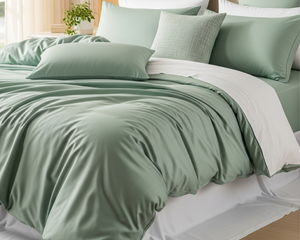
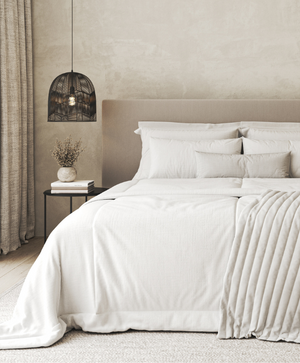
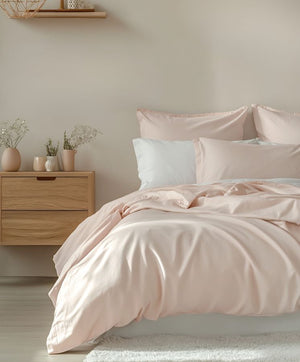
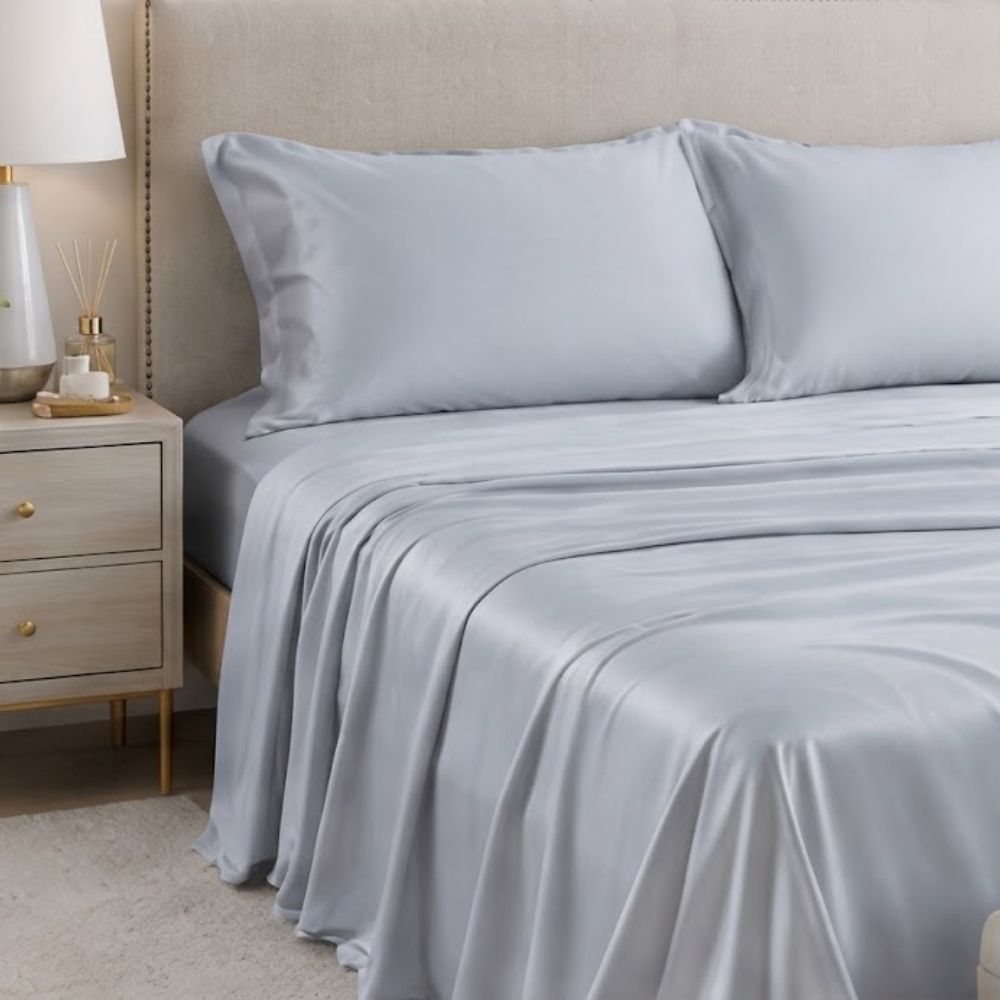
If you have ever bought "luxury" sheets that felt silky in the package but slept hot, pilled fast, or lost their softness after a few washes, you already know how to choose luxury bamboo sheets is not a matter of thread count and branding alone. The real difference lives in the fiber itself, the way it is processed, and how honestly the product is described.
Bamboo bedding has earned attention for good reason. It can feel cool against the skin, drape beautifully, and offer a softer hand than many cotton options. But the category is crowded with vague claims, confusing terminology, and products that look premium on the surface while performing like ordinary sheets. If you want bedding that feels elevated night after night, the details matter.
How to choose luxury bamboo sheets starts with the fiber
The first question is not color, pattern, or even price. It is what kind of bamboo fabric you are actually buying.
Not all bamboo textiles are made the same way. In the premium bedding space, two terms often appear side by side: bamboo viscose and bamboo lyocell. They may sound similar, but the production methods are different, and that difference can shape how the fabric feels, performs, and aligns with your standards for cleaner materials.
Bamboo lyocell is generally the more advanced choice. It is prized for its smooth surface, fluid drape, breathability, and more considered production process. For shoppers who care about both comfort and material integrity, this is often the category worth seeking out. Bamboo viscose can still feel soft at first touch, but softness alone should not be confused with long-term luxury.
When a brand is vague about fiber language and relies on broad phrases like "made from bamboo," take that as a cue to look closer. Premium bedding should tell you exactly what the material is.
Feel matters, but performance matters more
Luxury sheets should do more than impress your hand in a showroom test. They should help create a better sleep environment.
For hot sleepers, one of the strongest reasons to choose bamboo is temperature regulation. High-quality bamboo sheets tend to release heat well and wick moisture away from the body, which can reduce that heavy, trapped feeling that often comes with dense or less breathable fabrics. If you wake up overheated or deal with night sweats, this is not a small upgrade. It can change how deeply you sleep.
Sensitive skin is another area where quality becomes obvious. A smoother fabric surface can reduce friction, and cleaner processing standards can matter if you are trying to avoid harsh residues. If your skin reacts easily, or if you simply want bedding that feels gentler and more refined, look for sheets that pair softness with clear safety credentials.
That is the difference between decorative luxury and functional luxury. The first looks expensive. The second earns its place every night.
The right softness has structure
Many shoppers chase the softest sheet they can find, but softness without stability can be disappointing. Some fabrics are heavily finished to feel plush at first, then flatten out or roughen after laundering.
A truly premium bamboo sheet should feel smooth and supple, with a cool, almost weightless glide. It should also retain that character over time. That is why construction and finish matter just as much as the initial hand-feel.
Ignore thread count. Look at weave and weight instead
Thread count is one of the most overused signals in bedding. With bamboo sheets, it is often less useful than shoppers expect.
Because bamboo fibers are naturally fine and smooth, a lower or moderate thread count can still feel exceptionally luxurious. Brands that push very high numbers are often leaning on familiar cotton marketing rather than giving you the information that actually predicts performance.
Instead, pay attention to weave and fabric weight. A sateen weave is common in luxury bamboo sheets because it creates that elegant drape and polished finish many shoppers want. It also tends to feel cooler and silkier against the skin. If your priority is a serene, fluid bed with a refined surface, sateen usually delivers.
Weight matters too. Sheets that are too light can feel insubstantial or less durable. Too heavy, and you may lose the airy, cooling effect that makes bamboo appealing in the first place. The best balance depends on your sleep preferences. If you sleep warm, a lighter, breathable construction may feel best. If you prefer a slightly more substantial bed, look for a fabric that still promises airflow and moisture management rather than just density.
Certifications are not extra. They are part of the value
If you are paying premium prices, transparency should come with the package.
One of the clearest signs of a better sheet set is third-party certification. OEKO-TEX certification, for example, signals that the fabric has been tested for harmful substances. For shoppers concerned with skin safety, indoor cleanliness, and overall material quality, that is not a minor detail. It is part of what makes bedding feel trustworthy.
This matters even more in a category where soft texture can distract from how the fabric was made. A sheet can feel luxurious and still leave questions unanswered. Premium brands should be able to tell you how their materials are processed, whether harmful chemicals are screened out, and what standards back up their claims.
Luxury today is not just about appearance. It is about confidence in what touches your skin for hours every night.
Construction tells you whether the sheets are built to last
The easiest way to spot a sheet set made for short-term appeal is to look at the finishing details. Luxury bamboo sheets should not only feel beautiful across the surface. They should be thoughtfully made in the places that affect daily use.
Deep pockets matter if you have a taller mattress or use a mattress topper. Elastic should feel secure, not loose or flimsy. Pillowcases should have clean, substantial seams. A fitted sheet that shifts every night or corners that lose shape quickly can make even expensive bedding feel careless.
Durability is especially important with bamboo because shoppers often choose it for everyday comfort. This is not occasional guest-room bedding. It is the fabric you want to climb into after long workdays, hard workouts, late nights, or warm summer evenings. It should hold its softness, fit, and finish through real life.
Watch for language that sounds luxurious but says very little
Terms like "hotel-inspired," "ultra-premium," and "silky soft" are easy to use and hard to verify. They are not useless, but they should never be the main proof of quality.
Look for specifics instead. What exact fiber is used? Is the fabric bamboo lyocell or bamboo viscose? Is it certified? Is it described as cooling, moisture wicking, and hypoallergenic with enough clarity to sound engineered rather than improvised? The strongest brands educate rather than decorate.
That educational approach matters because it respects the customer. If a sheet set is truly better, it should stand up to scrutiny.
Price should reflect material quality, not just packaging
Premium bamboo sheets do cost more than many mass-market sets, and sometimes they should. Cleaner processing, better craftsmanship, stronger quality control, and higher-performing fibers all affect price.
The key is knowing what you are paying for. If the cost is driven by fiber technology, comfort performance, and verified safety standards, that is a meaningful premium. If the cost is mostly aesthetic branding with little material explanation, the value becomes less convincing.
This is where a focused brand can stand apart. A company like Verleu, which centers its sleep experience around bamboo lyocell performance, cooling comfort, and chemical-conscious standards, speaks to what premium shoppers are actually trying to solve. Better sleep is the product. The sheet set is how it gets delivered.
How to choose luxury bamboo sheets for your sleep style
The best choice depends on what your nights are asking for.
If you sleep hot, prioritize breathable bamboo lyocell, moisture-wicking performance, and a smooth sateen finish that feels cool on contact. If sensitive skin is your concern, place extra weight on certification, clean processing, and a fabric surface that minimizes friction. If design matters most, look for color and drape after you confirm the material quality, not before.
For couples, temperature balance can be especially valuable. A sheet that helps regulate heat without feeling overly cold tends to work better across different sleep preferences. For wellness-minded shoppers, the clean-material story matters just as much as the softness. And if you are upgrading your entire bedroom experience, think of sheets as infrastructure, not decoration. They are one of the few home essentials you interact with every single night.
A beautiful bed should feel effortless, but choosing one well takes discernment. The right bamboo sheets are not simply soft, expensive, or stylish. They are breathable, well-made, transparent about their materials, and refined enough to keep proving their worth long after the first night. Choose the set that respects both your standards and your sleep, and the bedroom starts to feel less like a backdrop and more like restoration.


