

Cart
0


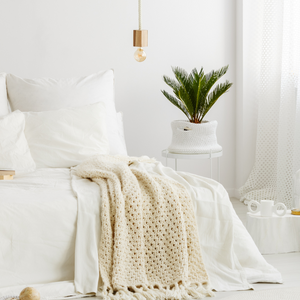
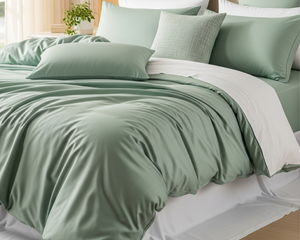
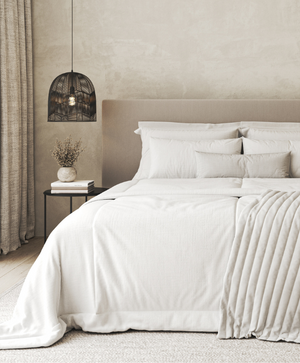
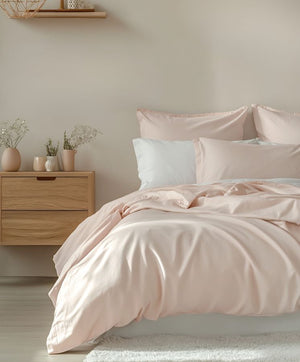
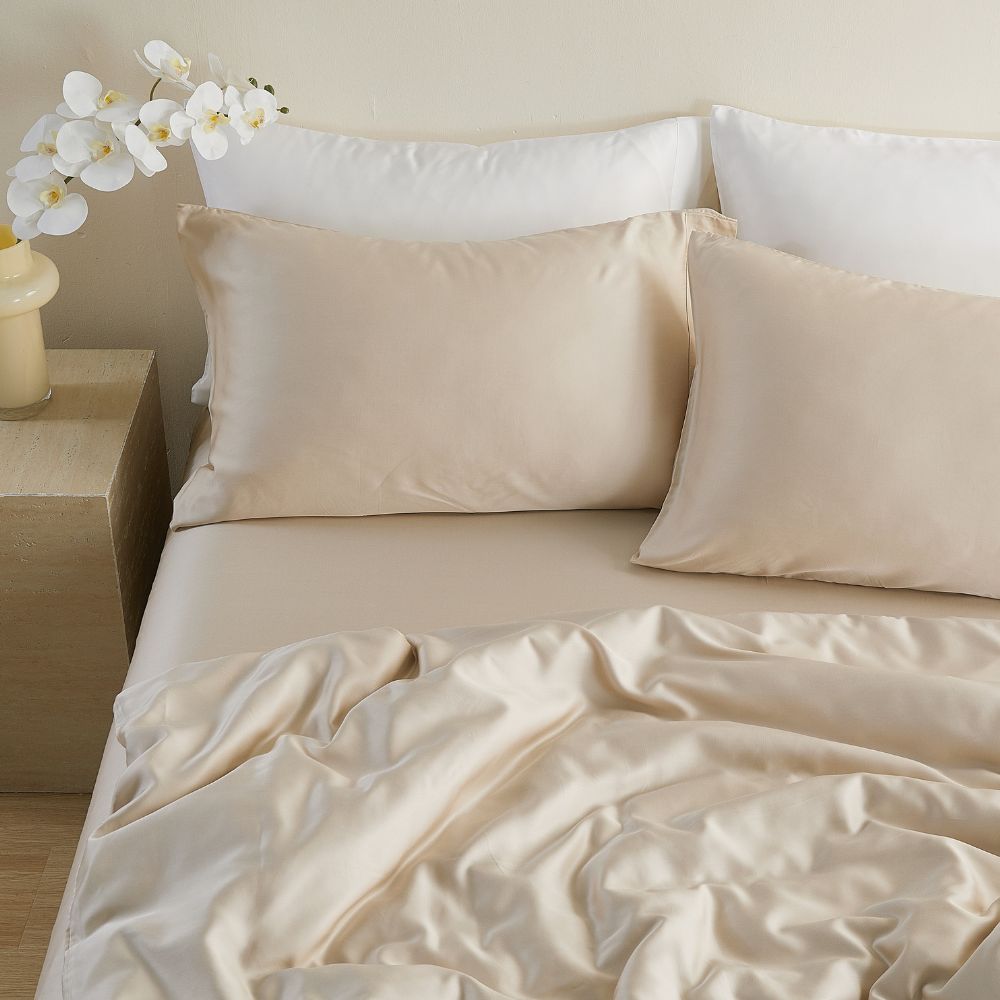
Your skin notices your sheets long before you do. If you wake up itchy, overheated, or with that faint feeling of irritation along your face, neck, or legs, the problem may not be your cleanser or detergent alone. Often, the real question is simpler: what sheets are good for sensitive skin, and which fabrics quietly make things worse night after night?
The answer starts with friction, heat, moisture, and chemical exposure. Sensitive skin tends to react when bedding traps warmth, holds sweat against the body, or feels rough at the surface. That means the best sheets are not just soft in the showroom. They need to stay breathable, smooth, and clean-feeling through full nights of real sleep.
What sheets are good for sensitive skin and why?
If your skin is reactive, fabric choice matters more than thread count marketing. The most skin-friendly sheets are typically made from bamboo lyocell, TENCEL lyocell, high-quality silk, or long-staple cotton in a smooth weave. Among these, bamboo lyocell stands out for a reason. It combines a notably smooth hand feel with strong moisture management, temperature regulation, and a cleaner manufacturing profile than many shoppers realize.
Sensitive skin usually benefits from sheets that reduce three common triggers at once. First, they should minimize rubbing against the skin. Second, they should move heat and perspiration away from the body instead of trapping them. Third, they should avoid unnecessary chemical residues, harsh finishes, or low-grade processing that can leave fabric feeling less pure than advertised.
That is where material quality becomes more important than label language. "Bamboo" on its own is not enough. There is a real difference between bamboo lyocell and bamboo viscose, and it affects not just sustainability claims, but the integrity of the finished fabric touching your skin.
The fabrics that tend to work best
Bamboo lyocell
For many people with sensitive skin, bamboo lyocell is the strongest all-around choice. It has an exceptionally smooth surface, which means less drag across the skin as you move during the night. It also wicks moisture efficiently and helps regulate temperature, which matters because damp, overheated skin is often more reactive.
Another advantage is how refined the fabric feels without relying on a heavy, coated finish. Premium bamboo lyocell drapes with a fluid, almost serene cascade, but its value is not purely aesthetic. The softness is functional. Less friction can mean less irritation, especially for people prone to eczema flare-ups, post-shave sensitivity, or redness triggered by heat.
TENCEL lyocell
TENCEL lyocell performs similarly in many ways. It is smooth, breathable, and known for good moisture control. For sensitive sleepers, it can be an excellent option, especially when sourced and finished to a high standard. The feel is often cool and clean against the skin.
The trade-off is that not all lyocell bedding is created equally. Construction, finishing, and fabric weight all influence comfort. A well-made lyocell sheet set can feel luxurious and skin-calming. A cheaper version may still be better than rough cotton, but it may not deliver the same consistency over time.
Long-staple cotton
Cotton can work well for sensitive skin, but it depends heavily on the fiber quality and weave. Long-staple cotton in a sateen weave tends to feel smoother than basic cotton percale or lower-grade upland cotton. If you prefer a more traditional bedding feel, this can be a comfortable option.
Still, cotton has limits. It generally absorbs moisture rather than moving it away as efficiently as lyocell-based fabrics. For hot sleepers or anyone whose irritation gets worse with sweat, cotton may feel pleasant at first but less performance-driven through the night.
Silk
Silk is famously gentle on skin and hair, and for some people it is a beautiful solution. Its surface is smooth, and it can feel very soft on delicate facial skin. But silk is also higher maintenance, more delicate in care, and often less practical for everyday full-bed use.
If your priority is a pillowcase for facial sensitivity, silk may be worth considering. If you want full-sheet performance, durability, washability, and cooling comfort, lyocell often makes more sense.
Fabrics that can be less ideal
Lower-quality microfiber and coarse cotton blends are common problem areas. They can trap heat, feel slick in a synthetic way rather than genuinely smooth, and create a less breathable sleep environment. For sensitive skin, that combination can be frustrating. You may not notice it in the first five minutes of lying down, but your skin often notices by morning.
Linen is another fabric that depends on the person. It is breathable and loved for its casual luxury, yet its texture is more naturally textured than lyocell or sateen cotton. Some people enjoy that feel. Others with highly reactive skin find it too abrasive, especially during flare-ups.
Why weave and finish matter as much as fiber
The question of what sheets are good for sensitive skin is not solved by fiber alone. Weave changes how that fiber feels. A sateen weave usually offers a smoother surface than percale. That can be a meaningful difference if your skin reacts to rubbing or dryness.
Finishing also matters. Some bedding is chemically treated to achieve a certain hand feel, wrinkle resistance, or visual finish. For sensitive skin, cleaner processing and third-party testing are worth paying attention to. Certifications such as OEKO-TEX can offer added confidence that the fabric has been tested for harmful substances.
This is one reason premium bedding earns its place. Better materials, better finishing, and better quality control are not cosmetic upgrades. They directly affect how the fabric performs against the skin over hundreds of hours of contact.
What to look for on the label
When shopping, read past the front-of-package promises. Terms like "cooling," "hypoallergenic," and even "bamboo" are often used loosely. Instead, look for specifics.
A strong sheet option for sensitive skin should tell you what the fiber actually is, whether it is lyocell or viscose, and whether it carries a reputable safety certification. It should also feel smooth without being plasticky, breathable without feeling flimsy, and substantial without becoming heavy.
If the product description is vague, that is usually not a great sign. Quality bedding brands explain their material composition clearly because the difference is real.
Washing habits can either help or hurt
Even excellent sheets can become irritating if they are washed carelessly. Fragrance-heavy detergents, excessive fabric softener, and dryer sheets can leave behind residues that stay in contact with your skin for hours. For sensitive sleepers, a gentle, fragrance-free detergent is usually the smarter choice.
It also helps to wash sheets regularly. Sweat, skincare residue, body oils, and dust buildup can all make bedding feel less fresh and more reactive over time. If your skin is especially sensitive, changing pillowcases more often than the full sheet set can make a noticeable difference.
And avoid over-drying. High heat can roughen fibers and shorten the life of softer fabrics. Sheets that begin smooth can gradually lose that refined feel if they are repeatedly treated too aggressively.
The best choice depends on your kind of sensitivity
Not all sensitive skin behaves the same way. If your biggest issue is overheating, prioritize temperature regulation and moisture wicking. If your concern is friction, focus on the smoothest possible hand feel. If you react to dyes or finishes, pay close attention to certifications and processing transparency.
This is where bamboo lyocell makes a compelling case. It covers the widest range of needs at once. It feels elegant, cool, and clean against the skin, while also delivering the practical performance many people need to sleep comfortably. For shoppers who want premium comfort backed by material science, it is one of the few fabrics that feels indulgent and strategic at the same time.
At Verleu, that distinction matters. Luxury bedding should look beautiful, of course, but it should also help create a sleep environment that is calmer, cooler, and kinder to the body.
If you have been cycling through creams, detergents, and bedtime adjustments without fully solving the issue, start with the surface your skin touches all night. The right sheets cannot fix every sensitivity, but they can remove one of the most constant sources of irritation - and sometimes that is exactly what better sleep begins with.


