

Cart
0



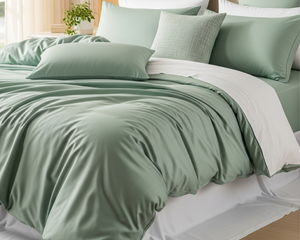
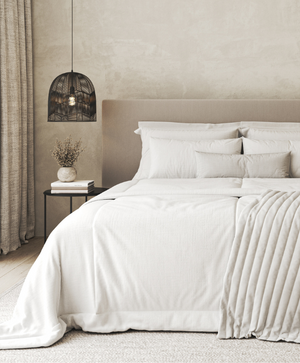
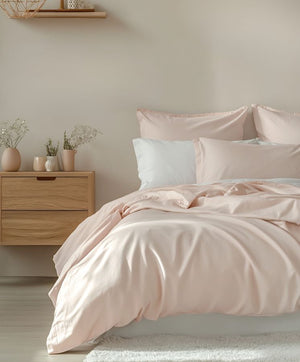
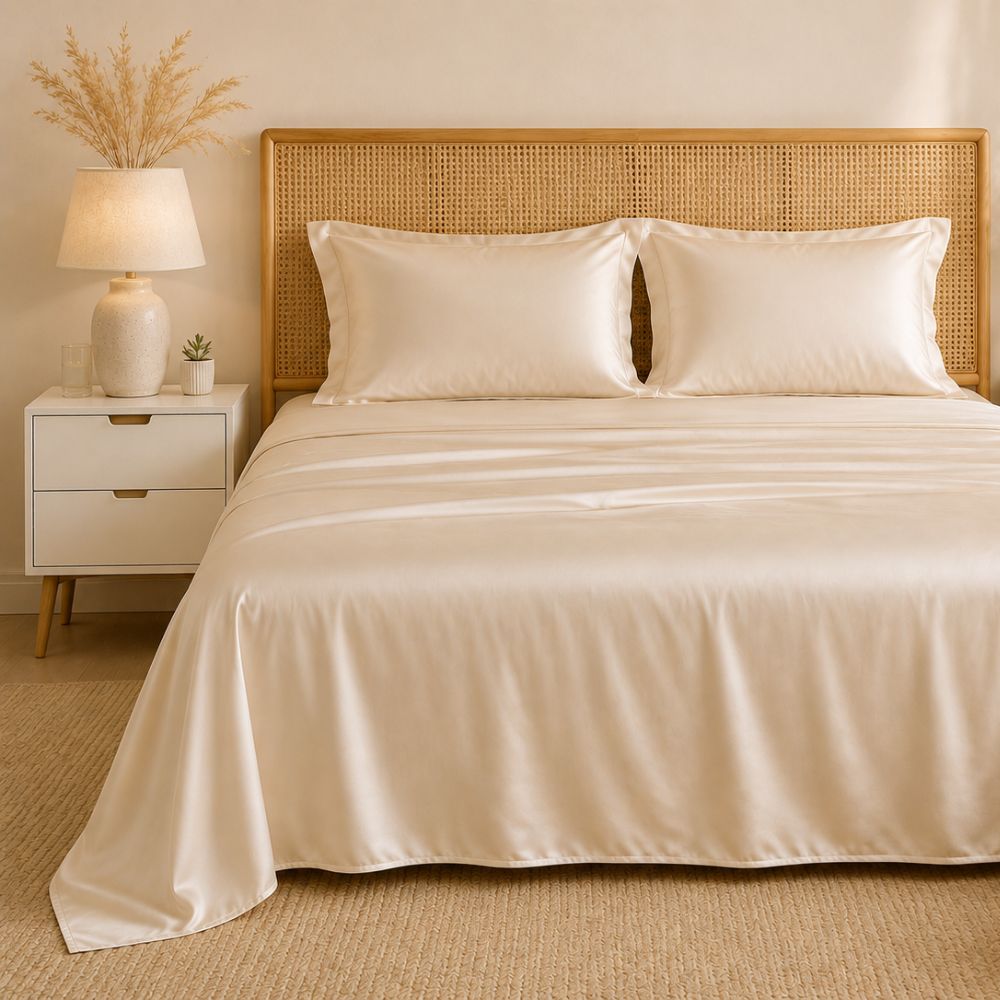
You can feel the difference between bedding that looks cool and bedding that actually sleeps cool by about 2 a.m. One leaves you flipping the pillow and kicking off the comforter. The other stays dry, light, and calm against the skin. If you are wondering how to choose cooling bedding, the answer starts with performance, not packaging.
The category is crowded with soft-focus promises - breathable, temperature regulating, moisture wicking, lightweight. Some of those claims are meaningful. Some are little more than styling. The key is knowing which materials and construction details help the body release heat, manage humidity, and maintain a more stable sleep environment.
How to Choose Cooling Bedding by Material
The fabric matters more than any marketing phrase on the label. Cooling bedding works best when the fiber itself can move moisture, allow airflow, and feel smooth rather than insulating.
For many sleepers, bamboo lyocell stands out because it combines a cool hand feel with effective moisture management. It drapes lightly, helps disperse heat, and feels especially comfortable for people who run warm or deal with night sweats. It also tends to be gentler on sensitive skin because the surface is smooth and less abrasive than many conventional fabrics.
Cotton can still work well, but not all cotton performs the same way. A crisp percale made from long-staple cotton usually sleeps cooler than a dense sateen. Linen is highly breathable and excellent in warm climates, though some people find its texture too textured if they want a silkier finish. Microfiber, despite its softness and low cost, often traps more heat and is rarely the strongest choice for a true cooling setup.
This is also where shoppers should look past broad bamboo claims. Bamboo viscose and bamboo lyocell are often grouped together, but they are not identical in feel, process, or quality. If you want a cleaner, more advanced material story with premium performance, that distinction matters. A sophisticated cooling bed should not rely on vague fiber language.
Cooling Bedding Is More Than Fabric Alone
Even exceptional fibers can underperform if the weave, weight, or finish is wrong. That is why how to choose cooling bedding is really about evaluating the full construction.
Weave changes how air moves through the fabric and how the fabric feels on the body. Percale is lighter, crisper, and typically airier, which makes it a strong option for hot sleepers. Sateen feels smoother and more fluid, but because it is woven more tightly, it can sleep slightly warmer. With bamboo lyocell, the naturally silky drape often delivers that elevated, fluid feel without becoming heavy or stifling.
Weight matters too. Heavy sheets can feel luxurious at first touch, but excess density can hold warmth around the body. In cooling bedding, refinement is often found in a lighter, more responsive fabric that still feels substantial enough to signal quality. Premium should feel effortless, not oppressive.
Finishes deserve scrutiny. If a product depends on topical cooling treatments rather than the inherent performance of the material, ask how durable that effect really is after repeated washing. A bedding fabric that sleeps cool because of what it is made of is generally more reliable than one that sleeps cool because of a temporary finish.
What Hot Sleepers Should Look for First
If you consistently wake up warm, start with the pieces closest to your skin. Your fitted sheet, top sheet, and pillowcase have the greatest direct impact on heat and moisture control. Upgrading those often changes your sleep experience more than replacing decorative layers.
Pillowcases are especially important. Heat builds quickly around the head and neck, and a fabric that traps warmth there can make the entire bed feel hotter. A smoother, moisture-managing material can reduce that overheated feeling without requiring you to lower the thermostat.
After sheets and pillowcases, consider the fill inside your comforter or duvet insert. Many people assume the shell fabric determines whether a comforter sleeps cool, but the fill plays an equally important role. Dense synthetic fills can trap heat, even if the outer fabric feels cool at first. A lighter, more breathable fill creates better loft and airflow.
For couples, cooling performance becomes even more valuable. Two bodies generate more heat and humidity than one. Bedding that seemed acceptable when sleeping alone may feel overly warm when shared. In that case, breathable sheets and a lighter comforter are usually a smarter move than layering heavily and adjusting all night.
How to Read Cooling Claims Without Getting Misled
The most useful cooling claims are specific. If a brand says the bedding is moisture wicking, ask what fiber or structure makes that possible. If it claims temperature regulation, look for an explanation grounded in breathability, airflow, and moisture control rather than vague references to comfort.
Thread count is one of the most misunderstood signals in bedding. Higher is not always better, and it is certainly not always cooler. In many cases, extremely high thread counts mean a denser fabric with less airflow. A more moderate thread count, paired with better fiber quality, often performs better for warm sleepers.
Certifications can also help separate premium construction from surface-level branding. If you care about skin sensitivity and chemical exposure, look for standards such as OEKO-TEX certification. For people with reactive skin, bedding is not just a design purchase. It is a daily contact material that should feel safe as well as beautiful.
Sustainability claims deserve the same level of attention. Responsible production is meaningful, but the language should be clear and supported by the material story. Luxury today is not simply softness and sheen. It is transparency.
The Best Cooling Bedding Depends on Your Sleep Style
There is no single best cooling bedding for every sleeper because your body, room, and preferences all shape the result. Someone who sleeps slightly warm in a climate-controlled room may love crisp cotton percale. Someone dealing with humidity, night sweats, or sensitive skin may prefer the smoother, more moisture-responsive feel of bamboo lyocell.
If you like bedding with structure and a freshly pressed look, percale may appeal to you. If you want a softer drape that still feels cool and polished, bamboo lyocell is often the more elevated choice. If you prioritize maximum airflow and do not mind a more relaxed texture, linen can be excellent.
Your mattress also affects the equation. If your mattress already retains heat, bedding needs to work harder to offset that warmth. In those cases, breathable sheets alone may not fully solve the problem, but they can still make the sleep surface feel less humid and less sticky.
Seasonality matters as well. Some cooling fabrics are versatile enough for year-round use because they help manage heat without feeling cold. That balance is ideal. Bedding should not force you to choose between overheating in summer and feeling underdressed in winter.
A Better Standard for Cooling Comfort
When deciding how to choose cooling bedding, think beyond the first touch. Many fabrics feel cool for a moment when you get into bed. The real test is whether they still feel dry, breathable, and comfortable hours later.
That is where quality earns its price. Premium cooling bedding should combine a refined hand feel with measurable performance - not just softness, but airflow; not just elegance, but moisture control; not just trend language, but material integrity. Brands like Verleu have helped raise that standard by treating cooling as a function of fiber engineering, skin safety, and sleep wellness rather than a decorative claim.
The best choice is usually the one that solves the problem you actually have. If you overheat, prioritize breathability and moisture management. If your skin is reactive, prioritize smoothness and certified clean construction. If you want your bedroom to feel as elevated as it looks, choose bedding that performs quietly, night after night, without asking for attention.
Good bedding disappears when it is doing its job well. You are not thinking about heat, dampness, or rough fabric. You are simply resting in a bed that feels composed, cool, and beautifully considered - exactly the way sleep should.


