

Cart
0



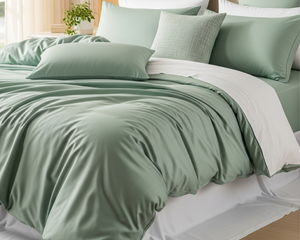
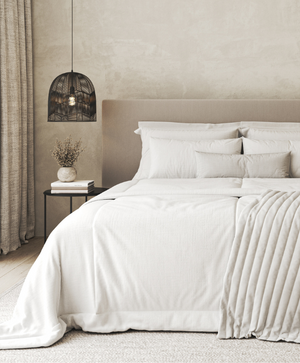
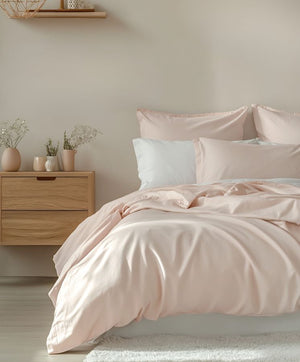

You can feel when bedding is wrong long before you can explain why. Maybe it traps heat by midnight, leaves your skin slightly irritated, or carries that overly processed smell straight out of the package. A real guide to non toxic bedding starts there - with what your body notices first. Premium bedding should not only look refined on the bed. It should support cleaner sleep, steadier temperature regulation, and greater peace of mind night after night.
What non toxic bedding actually means
The phrase gets used loosely, which is part of the problem. Non toxic bedding does not mean a product is made with zero chemicals at any point in production. Nearly every textile is processed in some way. What matters is whether the finished bedding contains harmful residues, unnecessary chemical treatments, or questionable additives that can affect skin comfort, indoor air quality, or long-term trust in the product.
In practical terms, non toxic bedding usually points to materials and manufacturing choices that limit exposure to substances such as formaldehyde-based finishes, harsh dyes, flame retardants, and certain chemical softeners. It also suggests a cleaner standard for what remains in the final fabric after processing.
That distinction matters because many bedding products are sold on feel alone. They may feel soft in the store or look polished online, yet rely on coatings and finishes that fade quickly or raise concerns for sensitive sleepers. True quality performs without needing a chemical disguise.
The biggest mistake shoppers make
Most people shop by fiber name and stop there. They look for cotton, linen, bamboo, or eucalyptus and assume the fiber alone tells the whole story. It does not.
How a fabric is made can be just as important as what plant it started from. Two bedding sets labeled bamboo can be very different in terms of softness, safety profile, breathability, and environmental impact. One may be heavily chemically processed into bamboo viscose. Another may be produced as bamboo lyocell using a more advanced closed-loop approach designed to recover and reuse processing solvents.
If your goal is cleaner bedding, the label should be the beginning of your evaluation, not the end.
A guide to non toxic bedding materials
Some materials have a better reputation than others, but each comes with trade-offs.
Organic cotton
Organic cotton is often the first stop for shoppers who want a cleaner bed. It is familiar, widely available, and can be an excellent option when paired with reputable certification. Good organic cotton feels breathable and dependable, especially in percale weaves.
The trade-off is performance. Cotton can sleep cool, but it does not always manage moisture as efficiently as more technically advanced fibers. For hot sleepers or anyone who wakes up damp and overheated, cotton may feel crisp at first yet still hold onto humidity over the course of the night.
Linen
Linen has a naturally airy feel and a relaxed luxury that many people love. It is often praised for breathability and durability, and high-quality flax linen can be a strong choice for warm climates.
Still, linen is not for everyone. Its texture can feel too coarse for sensitive skin, especially if you prefer a smoother, drapier hand. It also tends to wrinkle easily, which some see as effortless and others simply see as messy.
Bamboo lyocell
Bamboo lyocell stands out for shoppers who want a balance of softness, moisture management, and a cleaner material story. It is known for a silky hand feel, cooling performance, and a production method that is generally considered more responsible than conventional bamboo viscose when done properly.
This is where material literacy becomes valuable. Bamboo as a source plant is not the full story. The conversion process determines a great deal. For people focused on skin sensitivity, overheating, and premium comfort, bamboo lyocell often offers the most compelling combination of luxury and function.
Bamboo viscose and rayon
These fabrics can feel soft, and they are often marketed in ways that blur important distinctions. But bamboo viscose and rayon are not the same as bamboo lyocell. Their production can involve more aggressive chemical processing, and the final product quality varies widely by manufacturer.
That does not mean every bamboo viscose sheet set is automatically unsafe. It means shoppers should be more careful. If a brand leans heavily on the word bamboo while avoiding specifics about how the fiber is made, that is worth noticing.
Certifications matter, but only if you read them correctly
A trustworthy guide to non toxic bedding has to address certifications because they help separate evidence from marketing. The most useful ones typically focus on testing for harmful substances in the finished textile.
OEKO-TEX certification is one of the most recognized examples. It can signal that the fabric has been tested against a list of harmful substances and meets established safety standards for human use. That is meaningful, especially for people with sensitive skin or those trying to reduce unnecessary chemical exposure in the bedroom.
Even so, certification should not be treated as a magic stamp. It does not tell you everything about durability, softness, or moisture performance. It also does not make every certified product equal. A well-made fabric with credible testing and transparent sourcing is far more convincing than a vague luxury claim wrapped around a generic certificate badge.
What to avoid when shopping
A few red flags appear again and again in lower-quality bedding.
Be cautious with products that advertise extreme softness but say very little about the actual fiber construction. That softness may come from finishing agents rather than the inherent quality of the material. Be cautious, too, with synthetic blends that trap heat, particularly if you are already a hot sleeper. Polyester-heavy fabrics can be durable and affordable, but they often work against the cool, dry sleep environment many people are trying to build.
Strong chemical odor is another sign to take seriously. Some smell from packaging can happen, but a persistent harsh scent should not be dismissed as normal luxury bedding behavior. High-quality bedding should feel refined, not aggressively processed.
How non toxic bedding affects sleep performance
This is where the conversation gets more interesting. Cleaner bedding is not only about what you want to avoid. It is also about what you want to gain.
Temperature regulation changes the quality of sleep more than many people realize. If your sheets hold heat and moisture, your body has to work harder to stay comfortable. That leads to tossing, waking, and the familiar cycle of kicking layers off and pulling them back on. Bedding that breathes well and wicks moisture helps maintain a more stable sleep climate.
Skin comfort matters too. If you are prone to irritation, the wrong fabric can create subtle friction or hold onto sweat in a way that leaves skin feeling stressed by morning. Smoother, hypoallergenic materials with fewer problematic residues tend to create a calmer experience, especially around the face, neck, and chest where contact is constant.
That is why premium bedding should be judged by results, not just aesthetics. It should feel cooler, cleaner, and more composed over a full night of sleep.
How to choose the right set for your bedroom
Start with your biggest sleep complaint. If you run hot, prioritize moisture-wicking and cooling performance over tradition. If your skin is reactive, put fabric smoothness and tested safety standards at the top of the list. If sustainability is part of the equation, look beyond fiber buzzwords and study how the material is produced.
Then consider your expectations around feel. Cotton percale gives a crisp, hotel-like finish. Linen feels airy and casual. Bamboo lyocell offers a more fluid, elevated drape with a cooler-touch hand feel that many luxury shoppers prefer.
Price matters, but context matters more. Bedding that pills, overheats, or loses softness quickly is rarely a good value, even at a lower entry point. Better materials often cost more upfront because they deliver more over time.
For shoppers comparing premium options, this is exactly where Verleu’s emphasis on bamboo lyocell becomes relevant. The value is not just softness. It is the combination of cooling comfort, cleaner certification standards, and a more sophisticated material process that aligns with how high-performance sleep products should be made.
Care is part of the equation
Even excellent bedding can underperform if it is cared for poorly. Harsh detergents, high heat, and fabric softeners can all work against the fabric’s natural feel and function. If you are investing in non toxic bedding, gentle care helps preserve both comfort and integrity.
This is another reason to choose materials that are inherently soft and breathable rather than made to feel that way through topical finishes. When the performance is built into the fiber, it lasts more convincingly.
The real standard to shop by
The best bedding does not ask you to choose between beauty, wellness, and performance. It should deliver all three with clarity. That means refined texture, cooler sleep, skin-conscious construction, and transparency about what the product is actually made of.
When you shop with that standard, the category becomes less confusing. You stop getting distracted by vague green claims or generic luxury language and start focusing on the details that shape the sleep experience every single night.
Your bed is one of the most intimate environments in your home. Choose materials that earn that space - not because the packaging says premium, but because the fabric proves it once the lights are out.


