

Cart
0


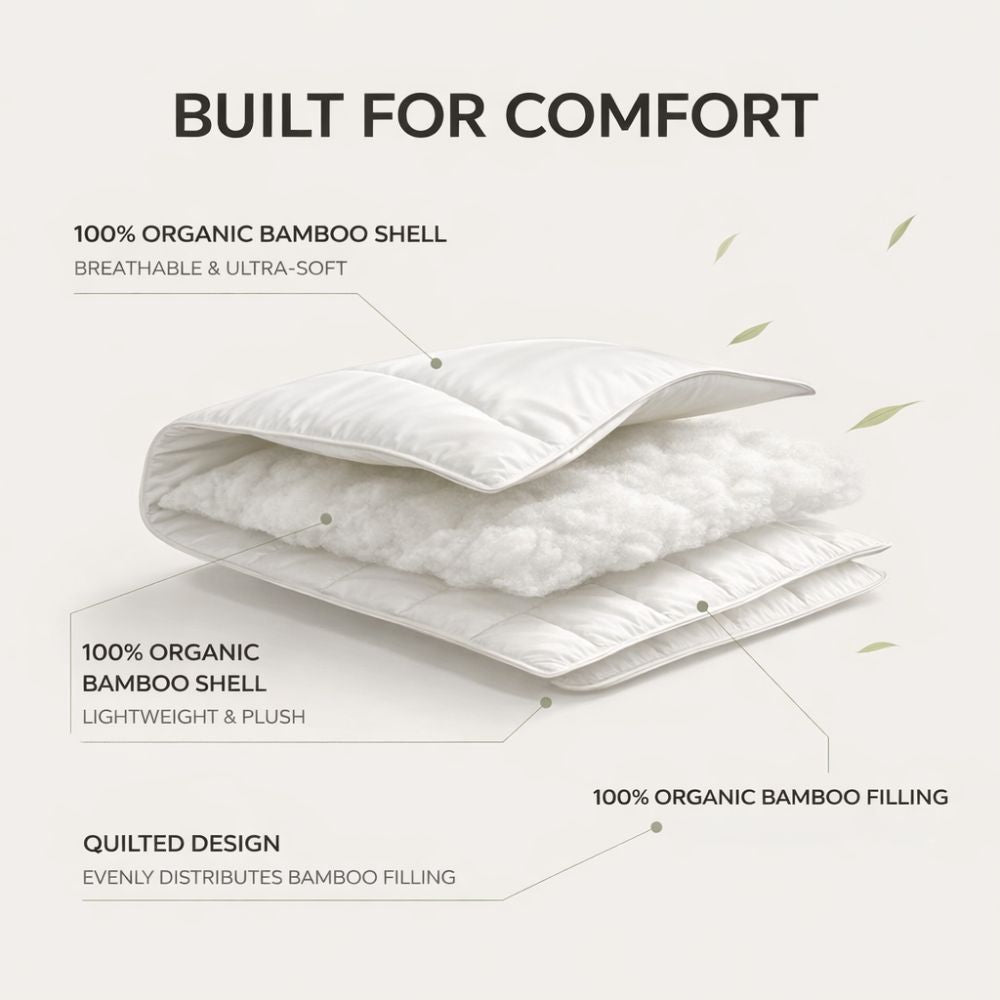
If you wake up at 2 a.m. kicking off the covers, the question is not whether your bedding matters. It is what is the best sheet material for hot sleepers when comfort, temperature control, and skin feel all need to work together. The wrong fabric can trap heat, hold moisture, and turn a beautiful bed into a nightly frustration.
For most hot sleepers, the best answer is bamboo lyocell. Not because it is trendy, and not because every sheet labeled “bamboo” performs the same way. It stands out because it combines three things that rarely show up together at a high level: breathability, moisture management, and a smooth, cool-to-the-touch hand feel that still feels elevated. If your goal is a bed that looks refined and sleeps noticeably cooler, bamboo lyocell deserves the closest look.
What is the best sheet material for hot sleepers?
The short answer is bamboo lyocell, with a few important caveats depending on how you sleep.
Hot sleepers usually need more than one benefit. Some run warm but stay dry. Others deal with humidity, night sweats, sensitive skin, or a partner whose body temperature changes the feel of the entire bed. That is why sheet material matters more than thread count or branding language. Fiber type determines how air moves, how moisture is absorbed and released, and whether the fabric feels crisp, silky, heavy, or insulating against the skin.
Bamboo lyocell tends to perform especially well because it is engineered for airflow and moisture wicking while maintaining a fluid, luxurious drape. It feels cooler on contact than many traditional cotton sheets, and it does not rely on a stiff or rough texture to create that effect. For sleepers who want cooling performance without sacrificing softness, that balance is hard to beat.
That said, the best sheet material for hot sleepers can shift slightly based on climate, personal texture preference, and how much structure or softness you want in the bed.
Why some sheets sleep hot even when they look lightweight
A sheet can look airy and still hold heat. That is where many shoppers get misled.
Heat retention often comes from the combination of fiber content, yarn construction, and weave. Synthetic-heavy blends can reduce airflow and trap body heat. Dense weaves may feel smooth and polished, but they can also limit ventilation if the fiber itself is not moisture managing. Even some cotton sheets marketed as breathable can feel warm if the fabric is finished for a heavier, more polished hand.
The real test is how the sheet behaves across a full night. Does it release heat, or does it gradually feel warmer as your body settles in? Does it move moisture away from the skin, or does it feel damp after a warm night? Premium bedding should do more than feel nice for five minutes. It should support a stable sleep environment for hours.
Bamboo lyocell vs other popular materials
Bamboo lyocell
Bamboo lyocell is often the strongest choice for hot sleepers who want a cooler sleep surface without giving up softness or refinement. It is breathable, moisture wicking, and exceptionally smooth, which also makes it appealing for sensitive skin. The fabric has a fluid drape and a naturally cool hand feel that creates an immediate sense of relief when you get into bed.
Its other advantage is consistency. High-quality bamboo lyocell tends to maintain that silky softness without the heavy, heat-trapping feel that can develop in lower-performing fabrics. For shoppers looking for premium comfort with measurable performance, this is where luxury and function meet.
One nuance matters here: bamboo lyocell is not the same as bamboo viscose, even though both may be marketed under the word “bamboo.” The manufacturing process and resulting fabric quality can differ significantly. For customers who care about cleaner production, skin safety, and performance integrity, that distinction is worth paying attention to.
Linen
Linen is another strong option, especially for very warm climates or sleepers who prioritize airflow above all else. It is highly breathable and tends to feel dry rather than clingy in humid conditions. If you live somewhere hot year-round, linen can perform beautifully.
The trade-off is texture. Linen usually has a more relaxed, textured feel and can start out rougher than bamboo lyocell or premium cotton. Some people love that casual, airy character. Others want a smoother, more polished sleep experience and may find linen less comfortable against bare skin.
Cotton percale
Percale cotton is a classic choice for hot sleepers because it feels crisp and breathable. It usually sleeps cooler than sateen cotton, which has a denser weave and a silkier, warmer feel. If you already know you like the hotel-sheet sensation, percale can be a reliable option.
Still, cotton performance varies widely. Fiber quality, staple length, weave density, and finishing all matter. Cotton percale may feel cool and fresh, but it often lacks the moisture-wicking efficiency and silky drape that make bamboo lyocell especially comfortable for people who overheat consistently.
Tencel lyocell
Tencel lyocell, made from eucalyptus wood pulp, is also known for breathability and smoothness. It can be an excellent material for hot sleepers and shares some of the same performance strengths as bamboo lyocell, including moisture management and a cool hand feel.
For some shoppers, the decision between the two comes down to touch and brand-level construction quality. Both can perform well. What matters most is whether the finished fabric feels breathable, clean against the skin, and durable enough to justify a premium investment.
Microfiber and synthetic blends
These are usually the wrong choice for hot sleepers. They may feel soft at first and often come at a lower price point, but they tend to trap heat and handle moisture poorly. If overheating is your main complaint, synthetic-heavy sheets typically make the problem worse rather than better.
What hot sleepers should actually look for
When comparing sheet materials, focus less on marketing language and more on performance behavior.
First, pay attention to moisture wicking. A cooling sheet should not just feel cold when you first touch it. It should help manage perspiration through the night so the bed stays dry and comfortable.
Second, consider hand feel. Some materials stay cool by feeling crisp and structured. Others stay cool while remaining smooth and fluid. Neither is wrong, but they create very different experiences. If you want a bed that feels serene and soft rather than stiff, bamboo lyocell is often the better fit.
Third, look at skin sensitivity. Hot sleepers with reactive skin, eczema, or irritation often benefit from fabrics that are smoother and gentler, with fewer harsh finishes or questionable chemical treatments. Premium material selection is not just about luxury. It can affect how your skin feels every morning.
Finally, think about the entire sleep system. Even the best sheet material for hot sleepers cannot fully offset a heat-retaining mattress protector, heavy duvet insert, or poorly ventilated room. Sheets matter, but they work best when the rest of the bed is not fighting against them.
So which material is best for your sleep style?
If you want the coolest possible airflow and do not mind texture, linen is compelling.
If you want a crisp, traditional feel, cotton percale is a solid choice.
If you want the most balanced performance, especially for nightly overheating, humidity, soft touch, and a more elevated finish, bamboo lyocell is the standout. It offers cooling comfort in a way that feels polished rather than utilitarian.
That is why it tends to resonate with shoppers who are not just replacing sheets. They are upgrading how the bed performs. A premium bedroom should support recovery, not interrupt it. When your bedding can help regulate heat, wick moisture, and feel effortlessly smooth against the skin, better sleep starts to feel less like a hope and more like a standard.
A final word on value
Hot sleepers often spend too long chasing quick fixes - lowering the thermostat, changing pajamas, flipping pillows to the cool side - while the real issue stays in contact with their skin for eight hours a night. Sheets are not a small detail. They are the sleep surface.
If you are investing in better rest, choose a material that works as beautifully as it looks. For most people who sleep warm, bamboo lyocell offers the clearest combination of cooling performance, softness, and refinement. And once your bed starts feeling calm, dry, and consistently comfortable, you may wonder why you waited so long to make the switch.


