

Cart
0


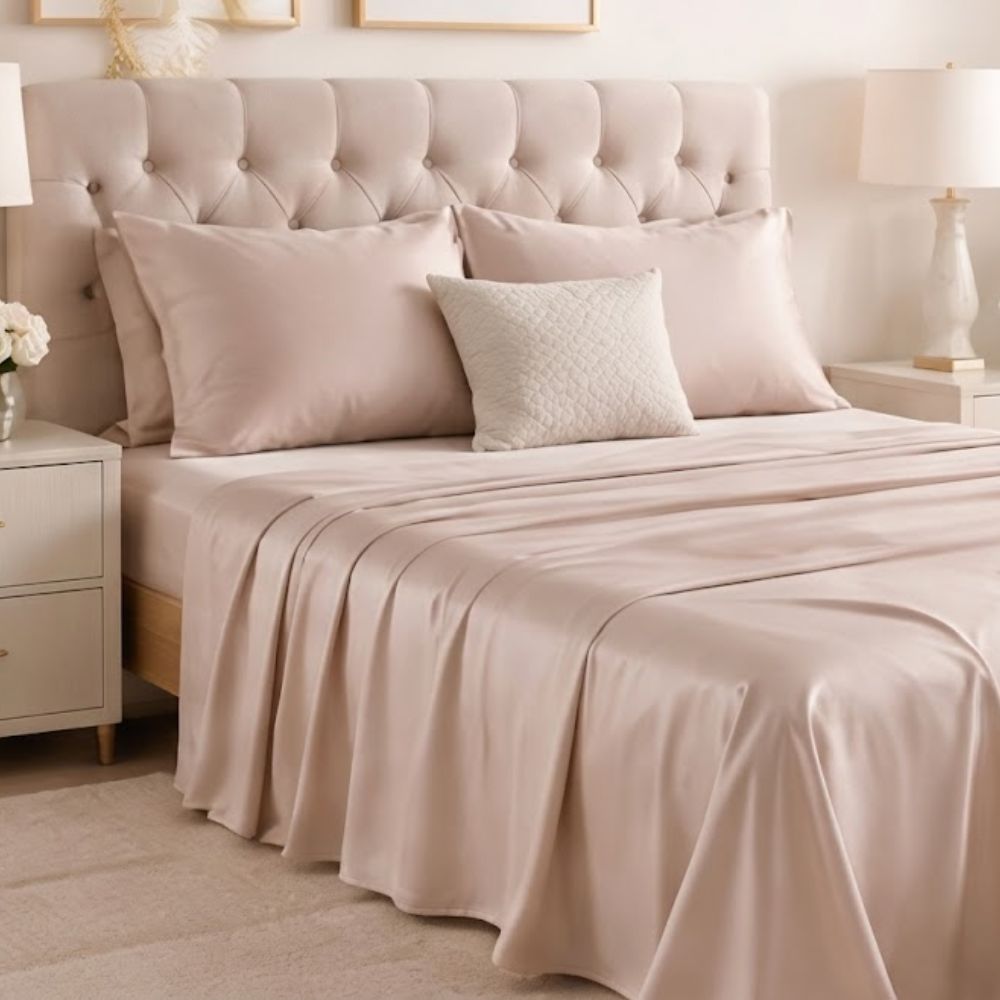
If you wake up congested, itchy, or overheated, your bedding may be working against you. That is why so many shoppers ask, are bamboo sheets good for allergies? The short answer is yes, they can be a smart choice for allergy-prone sleepers, but the real answer depends on the fiber, the finish, and how well the fabric manages heat, moisture, and irritants night after night.
Allergy-friendly bedding is not about a single miracle claim. It is about creating a cleaner, calmer sleep environment. Sheets sit against your skin for hours, collect sweat and body oils, and influence how much heat and humidity build up around you. When the material performs well, you feel the difference quickly. When it does not, even expensive bedding can leave you tossing, sneezing, or waking with irritated skin.
Are bamboo sheets good for allergies or just well marketed?
Bamboo sheets can be a strong option for people with allergies because they are typically soft, breathable, and moisture managing. Those qualities matter more than they might seem. A fabric that helps regulate temperature and wick moisture can make the bed less hospitable to the damp, warm conditions that tend to aggravate sleep discomfort.
That said, not all bamboo sheets are created equally. The phrase "bamboo sheets" covers several manufacturing methods, and those differences affect both feel and performance. Some bamboo fabrics are processed into viscose or rayon, while others are made as bamboo lyocell through a more advanced closed-loop process. If you care about chemical exposure, skin sensitivity, and long-term fabric quality, that distinction matters.
For allergy sufferers, the best bamboo sheets are not simply those labeled hypoallergenic. They are the ones made from well-processed fibers, finished without harsh residues, and woven to stay breathable, smooth, and easy to wash.
What actually makes sheets better for allergy sufferers
People often use the word allergy to describe several different problems. Sometimes it is true environmental allergies, especially to dust mites, dust, or pet dander. Sometimes it is skin reactivity triggered by rough fabric, heat retention, detergents, or chemical finishes. Good bedding can help with both, but in different ways.
Breathability is the first layer of protection. If sheets trap heat, you sweat more. More sweat means more moisture in the bed, and a damp sleep surface tends to feel less fresh over time. A breathable fabric helps reduce that buildup.
Moisture management is just as important. Bamboo-derived lyocell is known for moving moisture away from the skin efficiently, which can help sleepers stay drier through the night. For hot sleepers and those with sensitive skin, that can mean less friction, less overheating, and fewer conditions that contribute to irritation.
A smoother hand feel also plays a role. Sheets with a silky, low-friction surface are often gentler on skin that is already reactive. If your eczema, contact sensitivity, or general irritation gets worse with coarse cotton or synthetic blends, the texture of the fabric can be part of the solution.
Finally, washability matters. Allergy-conscious bedding should be easy to clean regularly without becoming stiff, rough, or misshapen. Sheets that hold up well to frequent laundering make it much easier to keep dust, pollen, sweat, and pet residue under control.
Why bamboo lyocell stands out
This is where the conversation gets more precise. Bamboo lyocell and bamboo viscose may start from the same source plant, but they are not interchangeable in quality or processing.
Bamboo lyocell is generally associated with a cleaner, more controlled production method and a refined fiber structure that produces a smooth, breathable, drapey fabric. For sleepers with allergies or sensitive skin, that combination can be especially appealing. The fabric feels cool against the body, manages moisture well, and delivers the polished softness people expect from premium bedding.
The performance side matters as much as the luxury side. Sheets that stay cool and dry can help reduce the conditions that make nights feel uncomfortable. They are not a medical treatment for allergies, but they can remove some of the nightly triggers that worsen symptoms.
For brands focused on cleaner sleep materials, bamboo lyocell also aligns better with the demand for fewer unnecessary chemicals and greater transparency. That is one reason premium bedding brands like Verleu place so much emphasis on the difference. In a category full of broad claims, fiber technology is not a small detail. It is the foundation of how the sheet performs.
Can bamboo sheets help with dust mites?
This is where expectations should stay realistic. Bamboo sheets do not make your bed immune to dust mites, and no sheet set can fully prevent allergens from existing in a bedroom. Dust mites are influenced by the whole environment, including humidity, mattress condition, pillows, and how often bedding is washed.
What bamboo sheets can do is support a fresher sleep setup when they remain breathable and manage moisture effectively. Dust mites thrive in warm, humid environments, so materials that help reduce retained dampness may be helpful as part of a broader allergy strategy.
If dust mites are your main issue, sheets alone are not enough. You will still want regular hot-water washing when care instructions allow, protective covers for pillows and mattresses, and attention to room humidity. Think of bamboo sheets as one strong layer in the system, not the entire system.
Are bamboo sheets good for allergies if you have sensitive skin?
Often, yes. In many cases, the bigger benefit of bamboo sheets is not about airborne allergies but skin comfort. Sensitive skin tends to react to three things quickly: heat, friction, and residue. A well-made bamboo lyocell sheet addresses all three better than many conventional fabrics.
Its smooth surface can reduce rubbing against the skin. Its cooling properties can help limit overheating. And when the sheet is made to high material and safety standards, there is less chance of unwanted finishes becoming part of the problem.
This is especially relevant for sleepers who say they are "allergic" to certain sheets when the issue is really irritation. If your current bedding leaves you sweaty, itchy, or uncomfortable, a cooler and softer fabric can change the way your skin feels by morning.
What to look for before you buy
The label matters, but so does what is behind the label. If you are shopping specifically for allergy-conscious bedding, start with the fiber composition. Look for bamboo lyocell rather than generic bamboo wording with no clear explanation.
Next, pay attention to certifications and material transparency. Third-party testing standards such as OEKO-TEX can provide reassurance that the finished fabric has been tested for harmful substances. For people who are especially cautious about skin contact and chemical exposure, that added layer of confidence is worth having.
Construction matters too. A premium weave with a soft, fluid finish usually feels better against sensitive skin than a stiff or overly treated fabric. And if the brand talks only about softness without explaining breathability, moisture control, and processing, it may be leaning harder on marketing than material performance.
Care is another practical factor. If sheets require delicate handling that discourages regular washing, they are less useful for an allergy-focused home. The best bedding should feel elevated but still support real-life maintenance.
When bamboo sheets may not be enough
Bamboo sheets can absolutely improve comfort, but they are not a cure-all. If your symptoms are caused by severe seasonal allergies, pet dander, mold exposure, or an old mattress full of trapped allergens, changing your sheets may help only part of the problem.
There is also the question of individual sensitivity. Some sleepers do best with exceptionally crisp cotton percale because it feels lighter to them. Others need the softer drape of lyocell to avoid irritation. The right answer depends on whether your issue is overheating, skin friction, moisture, dust, or a combination of all four.
And of course, poor-quality bamboo sheets will not deliver the benefits people expect. If the fabric pills quickly, traps heat, or uses vague fiber descriptions, the experience may fall short.
The real answer to are bamboo sheets good for allergies
Yes, especially when they are made from high-quality bamboo lyocell and designed for breathable, low-irritation sleep. Their strongest advantage is not a flashy hypoallergenic label. It is the combination of softness, cooling performance, moisture control, and cleaner material standards that can make the bed feel noticeably calmer.
For allergy-prone sleepers, that can mean fewer overnight irritants and a more comfortable place to recover. For anyone with sensitive skin, it can mean less friction and less heat. And for those investing in premium bedding, it is a reminder that luxury should do more than look beautiful. It should help you sleep like you deserve to.


