

Cart
0



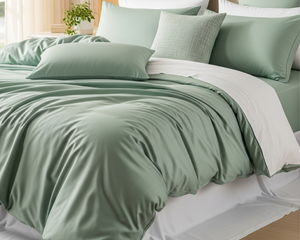
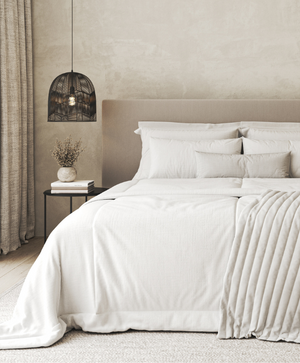

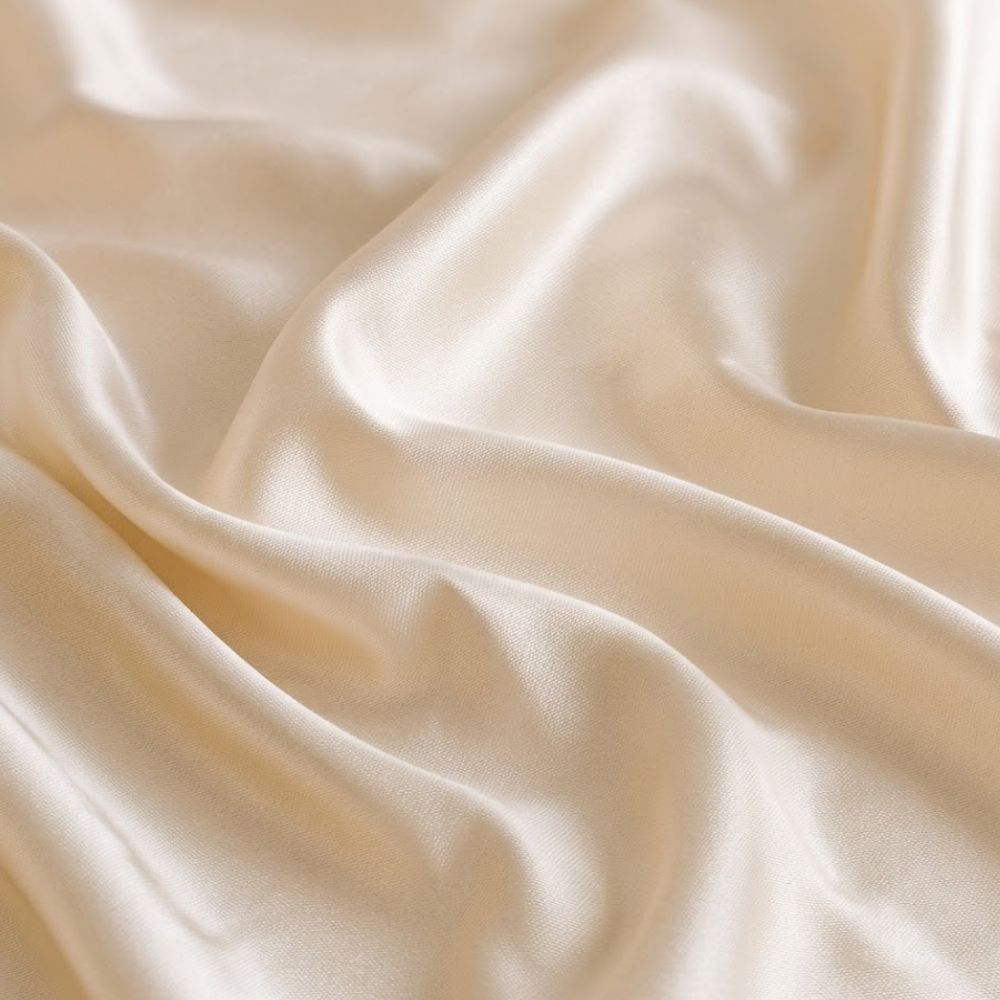
A sheet can feel exceptionally soft on the first night and still disappoint months later if its fibers are not engineered to hold up to real life. So, do bamboo sheets pill? They can, but pilling is not an inevitable feature of bamboo bedding. It is usually a signal of fiber quality, fabric construction, friction, and care.
For anyone investing in a cooler, cleaner, more refined sleep environment, that distinction matters. The word “bamboo” describes the plant source, not a single fabric standard. Two bamboo sheet sets may look similar online yet perform very differently after repeated washing, movement, and warm nights.
Do Bamboo Sheets Pill Over Time?
Pilling happens when loose or broken fibers work their way to the fabric surface, twist together, and form small balls. It is most visible where bedding receives the most friction: around the feet, along the fitted sheet, near the torso, and on pillowcases.
Bamboo-derived sheets can pill, particularly when they are made with shorter staple fibers, loosely spun yarns, or lower-quality blends. Harsh washing, high heat, and contact with rough fabrics can accelerate the process. But well-made bamboo lyocell bedding is designed to resist excessive pilling because the fibers are smooth, strong, and capable of being spun into more durable yarns.
There is an important trade-off to understand. Many ultra-soft fabrics are finished or brushed to create an immediate, plush hand feel. That surface treatment can be lovely at first, but it may also leave more vulnerable fibers at the surface. Lasting softness comes from the integrity of the fiber and weave, not from a temporary finish.
Bamboo Lyocell vs. Bamboo Viscose: Why the Difference Matters
Most confusion around bamboo sheets begins with the label. Bamboo must be transformed into a usable cellulosic fiber, and the manufacturing method affects the fiber’s performance, environmental profile, and consistency.
Bamboo viscose, also called rayon from bamboo, is common in the bedding market. It can feel silky and drape beautifully, but quality varies widely. Lower-grade viscose fabrics may use less consistent fibers or weaker yarn construction, making them more prone to surface wear over time.
Bamboo lyocell is produced through a more controlled closed-loop process that uses an organic solvent system to dissolve and regenerate the cellulose. The result is a smooth, refined fiber known for moisture management, breathability, and strength. That does not make bamboo lyocell indestructible. No luxury sheet should be treated as if it were a work cloth. It does mean the material begins with a better foundation for long-term performance when it is responsibly produced and thoughtfully woven.
At Verleu, that distinction is central to the Héritage collection. Premium bamboo lyocell is selected not only for its serene, fluid feel but for the practical benefits that matter after the first wash: temperature regulation, moisture wicking, gentleness against sensitive skin, and a more resilient surface.
The weave and yarn matter, too
Fiber type is only one part of the equation. The way fibers are spun into yarn and woven into fabric determines how the finished sheet handles abrasion. Longer, smoother fibers generally create fewer loose ends. A balanced weave helps the fabric stay stable without feeling stiff or heavy.
Thread count alone is not a reliable shortcut. An inflated thread count can come from multi-ply construction, which may make a sheet feel denser without making it better. For bamboo bedding, look instead for transparent material information, a smooth finish that is not overly slick, and care guidance that respects the fabric’s fine structure.
What Makes Bamboo Sheets Pill Faster?
Even premium bedding meets plenty of friction in an ordinary week. The goal is not to eliminate every possible source of wear, but to avoid the habits that unnecessarily stress delicate fibers.
First, heat is a major culprit. Hot wash cycles and high dryer settings can weaken regenerated cellulose fibers and create more surface friction. High heat also works against one of bamboo bedding’s most valued benefits: its naturally cool, breathable feel.
Second, rough laundry companions can do real damage. Towels, denim, zippers, bras with hooks, and heavily textured garments rub against sheets throughout a wash cycle. A single mixed load will not necessarily ruin them, but repeated contact makes pilling more likely.
Third, product buildup can leave fabric feeling less smooth. Too much detergent, heavy softeners, and certain scent boosters can coat the fibers rather than clean them well. That coating may reduce moisture-wicking performance and attract more friction over time.
Finally, fit plays a quiet role. A fitted sheet that is too small will pull tightly across the mattress and endure greater stress every time you move. A properly sized sheet should settle over the mattress with enough depth to stay secure without being stretched to its limit.
How to Keep Bamboo Sheets Smooth and Luxurious
Luxury bedding benefits from a simple, consistent care routine. It does not need complicated rituals or specialty products. It needs lower heat, less abrasion, and a little room to move.
Wash bamboo sheets separately from towels and abrasive clothing, preferably with other lightweight bedding. Turn pillowcases inside out if they come into regular contact with skincare products, hair products, or facial stubble. Choose a gentle or delicate cycle with cold water and a mild liquid detergent.
Use only the amount of detergent needed for the load. Skip chlorine bleach, which can compromise fibers, and avoid traditional fabric softener. Bamboo lyocell does not need help feeling soft. Its smooth hand is part of the fiber itself, and preserving that natural quality is preferable to coating it.
For drying, low heat is the safest choice. Removing sheets while they are still slightly damp and letting them finish air-drying can further reduce heat exposure and wrinkles. If you prefer a dryer-only routine, keep the setting low and take the sheets out promptly once dry. Overdrying creates unnecessary stress for nearly every fine bedding fabric.
Can you remove pills once they appear?
Yes, carefully. A fabric shaver or sweater comb can remove small pills from the surface without cutting deeply into the fabric. Work on a flat surface, use a light hand, and test a discreet area first. Avoid pulling pills off with your fingers, which can tug surrounding threads and create a larger problem.
If pilling becomes widespread after only a few washes despite gentle care, consider it useful information. It may point to a fabric with weaker yarns, a lower-quality blend, or construction that was optimized for a first-touch impression rather than years of sleep.
When a Little Texture Is Not a Quality Failure
Not every change in a sheet is a defect. Natural body oils, skincare residue, pets, mattress texture, and nightly movement all affect bedding. A minor bit of fuzzing in a high-friction area can happen with even thoughtfully made textiles, especially during the initial wash cycles.
What should raise concern is rapid, widespread pilling that changes the feel of the sheet across the bed. Premium bedding should become familiar and inviting with use, not rougher, thinner, or less comfortable. Its surface should retain a smooth, cool character that supports sleep rather than distracts from it.
The best choice is not simply a sheet marketed as bamboo. It is a sheet made from high-quality bamboo lyocell, constructed with care, and maintained in a way that protects the material. Treat your bedding as a nightly wellness essential, and it can keep offering the quiet luxury your bedroom was meant to deliver.


