

Cart
0



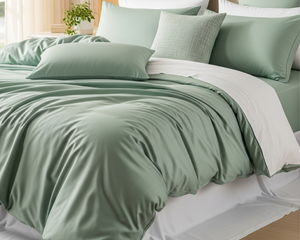
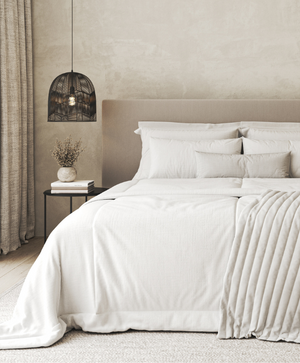
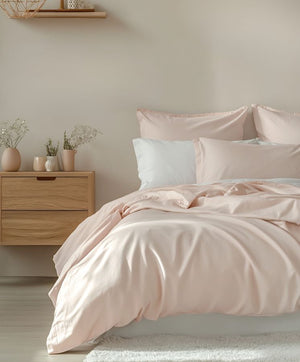

A beautiful bed should not leave you waking up hot, damp, and ready to throw off the covers at 3 a.m. A breathable duvet cover changes the feel of your entire sleep environment by helping heat and moisture move rather than linger around your body. It may seem like a finishing layer, but the fabric surrounding your comforter has a meaningful effect on how cool, dry, and comfortable the night feels.
For hot sleepers, sensitive skin, and anyone investing in a more restorative bedroom, breathability is not a decorative detail. It is a performance feature. The right duvet cover can create a softer, cleaner-feeling surface while allowing your comforter to deliver warmth without becoming stifling.
What Makes a Duvet Cover Breathable?
Breathability describes how effectively a fabric permits air and water vapor to pass through it. In bedding, that matters because your body naturally releases heat and moisture as you sleep. If the fabric around your comforter traps that warmth and perspiration, the bed can feel humid and clammy even when the room itself is cool.
A breathable duvet cover helps reduce that trapped sensation. Air circulates more freely through the fabric, and moisture vapor has a better path away from the skin. The result is not necessarily a cold bed. It is a more balanced one: warm when you need warmth, without the heavy, sealed-in feeling that can interrupt sleep.
Fiber type is the starting point, but construction matters, too. A tightly packed fabric can feel smooth and polished while limiting airflow. A more open, lightweight weave often allows greater ventilation, though it may not have the same silky drape or durability. Premium bedding finds the balance between an elegant hand feel, enduring construction, and dependable temperature regulation.
Why Your Comforter Needs a Breathable Outer Layer
A comforter provides insulation by holding warm air near the body. That is its job. But without a breathable cover, the insulating layer can become less adaptable, particularly for people who run warm or share a bed with a partner whose temperature needs are different.
Think of the duvet cover as the climate-facing layer of your bedding. It is the material closest to your skin, and it shapes the first impression of the bed every night. When it manages humidity well, the comforter beneath it can feel loftier and more comfortable rather than dense or overheated.
This is especially relevant during seasonal transitions. A heavy cover may feel acceptable on a cold winter evening, then suddenly become too much after the heat turns on or a mild spring night arrives. A breathable fabric gives your bedding more range, helping one thoughtfully chosen comforter work across more of the year.
There is also a practical benefit. A duvet cover protects the comforter from body oils, skincare residue, and everyday wear. Since the cover is easier to remove and wash than the insert, it supports a fresher bed without requiring you to clean a bulky comforter as often.
The Best Materials for a Breathable Duvet Cover
Not every fabric marketed as soft or cooling performs the same way. The best choice depends on whether you prioritize crispness, silky drape, natural texture, easy care, or maximum moisture management.
Bamboo Lyocell: Cooling Comfort With a Refined Feel
Bamboo lyocell is an exceptional choice for sleepers who want a smooth, luxurious surface without sacrificing thermal comfort. Its fibers are engineered to manage moisture efficiently, drawing it away from the skin and helping it evaporate. That can make a noticeable difference for anyone prone to warm nights, night sweats, or the uncomfortable feeling of fabric sticking to the body.
The feel is equally important. Quality bamboo lyocell has a fluid, serene cascade over the bed and a naturally soft finish that is gentle against sensitive skin. Unlike fabrics that depend on a slippery synthetic finish to feel sleek, bamboo lyocell offers softness through its fiber structure.
It is worth distinguishing bamboo lyocell from bamboo viscose. Both begin with bamboo, but their production processes and material characteristics differ. Bamboo lyocell is produced in a more controlled closed-loop process designed to recover and reuse much of the processing solution. For shoppers seeking cleaner materials alongside premium comfort, that distinction deserves more attention than a generic “bamboo” label.
Cotton: Familiar and Dependable, With Variables
Cotton can be highly breathable, particularly in percale weaves. A percale cotton duvet cover has a crisp, cool feel that many sleepers love in warm climates. It is familiar, durable, and widely available in a range of prices.
Still, cotton’s performance varies considerably by staple length, yarn quality, weave, and finish. Some cotton covers become rougher over time or hold on to moisture longer than moisture-wicking cellulosic fibers. Sateen cotton can feel smooth and substantial, but its denser weave may feel warmer than percale. Cotton remains a strong choice, but “100% cotton” alone does not guarantee a cooler night.
Linen: Airy Texture, Less Silky Finish
Linen is known for airflow and a relaxed, textured appearance. It can be an excellent option for people who appreciate an undone, European-inspired bed and do not mind a more tactile hand feel. Its fibers can absorb moisture well and become softer with use.
The trade-off is aesthetic and sensory. Linen wrinkles easily, has a more casual drape, and may feel too textured for sleepers who prefer a smooth, polished surface. It also tends to be a higher-maintenance visual choice, even when it is easy enough to launder.
Synthetic Blends: A Cautious Choice for Hot Sleepers
Microfiber and polyester duvet covers are often inexpensive, wrinkle resistant, and initially soft. Yet they can be less breathable than natural or regenerated cellulosic fibers, making them a less appealing option for people dealing with overheating or humidity at night.
Some performance synthetics are designed to wick moisture, so the category is not identical across every product. Even so, shoppers should look beyond broad cooling claims and consider the actual fiber content. A cover that feels soft in a showroom can still trap heat after several hours of sleep.
How to Choose the Right Breathable Duvet Cover
Start with your sleep pattern rather than your bedroom aesthetic alone. If you frequently wake overheated, prioritize moisture management and a lightweight, smooth fabric such as bamboo lyocell or crisp percale cotton. If you want airflow with a relaxed look, linen may be the better fit.
Then consider your comforter. A lofty down or down-alternative insert already holds substantial warmth, so it benefits from a cover that does not add unnecessary density. If your insert is lightweight, you may have more flexibility, but a breathable cover still helps maintain a fresher, more comfortable surface.
Pay attention to certifications and transparency as well. Bedding rests against your skin for hours at a time. OEKO-TEX certification, for example, offers an added measure of confidence that the finished textile has been tested for harmful substances. Premium comfort should feel considered at every level, from fiber selection to finished fabric.
Finally, choose a size that allows the insert to fill the cover without crowding it. A cover that is too small compresses the comforter and creates uneven warmth. One that is far too large can let the insert shift and bunch. Interior ties and a secure closure help keep the bed looking composed while improving the nightly experience.
Care That Preserves Breathability and Softness
Breathable bedding performs best when it is kept free from buildup. Wash your duvet cover regularly according to its care instructions, using a gentle detergent and avoiding excessive fabric softener. Heavy softeners can coat fibers and interfere with the moisture-managing qualities that make premium fabrics feel so comfortable.
Lower-temperature washing and drying are often kinder to fibers and color, while removing the cover promptly can minimize wrinkles. If you use skincare products or sleep with pets, a more frequent wash schedule helps maintain the clean, inviting feel that makes slipping into bed a genuine ritual rather than just the end of a long day.
A breathable duvet cover will not replace a too-warm comforter or solve every cause of disrupted sleep. Room temperature, mattress materials, pajamas, and personal physiology all play a role. But it is one of the most immediate upgrades you can make because it is the layer your skin experiences first.
Choose a fabric that lets your bedding breathe with you, and the bed becomes more than a beautifully made place to sleep. It becomes a cooler, softer, more composed setting for the rest you deserve.


