

Cart
0



A sheet can feel exceptionally soft and still leave unanswered questions about what touched your skin all night. That is why bamboo fabric safety deserves more than a glance at the word bamboo on a label. The plant itself is only the beginning. The fiber process, residual chemical controls, dyes, finishes, and independent certifications determine whether bedding earns a place in a cleaner, more considered sleep environment.
For hot sleepers and anyone prone to skin sensitivity, this distinction is not a technical footnote. Bedding sits against the body for hours, manages the moisture created through the night, and can either support a cool, calm sleep surface or add friction, heat, and uncertainty. Premium comfort should be beautiful to the touch and precise in how it is made.
Bamboo Fabric Safety Starts With the Process
Bamboo is a fast-growing plant, but it does not naturally emerge as the silky fabric used for sheets and pillowcases. To turn bamboo pulp into a textile fiber, manufacturers break down the plant material and regenerate it into filaments. The safety and environmental profile of the finished fabric depend heavily on how that transformation happens.
This is where broad marketing language can obscure meaningful differences. Terms such as bamboo, natural, and plant-based describe an origin, not necessarily a manufacturing standard. Most bamboo textiles are regenerated cellulose fibers. They may be marketed as bamboo rayon, bamboo viscose, or bamboo lyocell, but these names do not represent identical production methods.
A well-made bamboo fabric can be an excellent choice for sleep. Its smooth hand feel, moisture management, and breathable structure can help create the light, serene cascade people expect from luxury bedding. Still, softness alone is not proof of safety. The more useful question is whether a brand can clearly explain the fiber type, the processing method, and the testing behind its finished product.
Bamboo Lyocell vs. Bamboo Viscose
Bamboo viscose is widely used because it can create a remarkably soft fabric at a lower cost. In conventional viscose production, bamboo cellulose is chemically dissolved, then spun into fiber. The process can involve chemical inputs that require careful handling, recovery, and wastewater treatment. When manufacturing controls are weak or opaque, the concerns extend beyond the factory to the people making the material and the broader environment.
That does not mean every viscose sheet is inherently unsafe to sleep on. A finished textile may be tested for harmful substances, and reputable mills can maintain responsible controls. But bamboo viscose is not automatically the cleaner choice simply because bamboo began as the source material. For shoppers who prioritize traceability and reduced chemical exposure, the absence of process details should be a reason to look closer.
Why bamboo lyocell is different
Bamboo lyocell is also made from regenerated cellulose, but it is produced through a different solvent-spinning process. High-quality lyocell manufacturing is designed as a closed-loop system, meaning the solvent and water are recovered and reused at a very high rate rather than treated as single-use inputs.
The result is a fiber that pairs refined comfort with a more considered production approach. Bamboo lyocell is prized for its smooth surface, fluid drape, and capacity to move moisture away from the body. Those characteristics matter in bed: less trapped humidity can mean a fresher-feeling sleep surface, particularly for people who sleep warm.
The distinction should not be overstated. Closed-loop production does not mean no chemicals are used at any stage, and no textile can be judged on a single claim. Dyeing, finishing, sewing, packaging, and laundering all contribute to a product's final profile. Yet when comparing bamboo lyocell with conventional bamboo viscose, lyocell offers a stronger foundation for shoppers seeking cleaner material engineering and more responsible resource use.
The label should be specific
A premium bedding brand should name the actual fiber, rather than relying on vague phrases such as bamboo-derived or eco bamboo. Look for clear language such as bamboo lyocell or bamboo viscose, then ask what backs up that description. Transparency is part of quality. If a company can describe thread count but cannot explain how its fibers are made, the story is incomplete.
What Certifications Can and Cannot Tell You
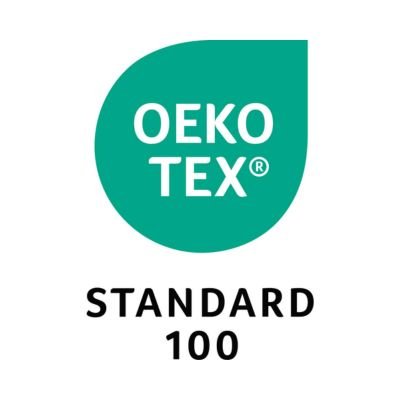
Independent testing is one of the most practical ways to assess bamboo fabric safety. OEKO-TEX STANDARD 100 certification, for example, tests finished textiles for a wide range of substances that may be harmful to human health. When sheets, pillowcases, or a duvet cover carry this certification, it provides reassurance that the finished article has met strict limits for relevant chemical residues.
For bedding used close to the skin, product-level testing matters. It accounts for more than the raw fiber by considering components such as dyes, prints, buttons, threads, and finishes. That is especially valuable for sensitive sleepers, parents purchasing bedding for children, and anyone creating a bedroom with fewer unnecessary irritants.
Still, certification should be read accurately. OEKO-TEX certification does not mean a fabric contains no chemistry whatsoever. Textiles require processing, and terms like chemical-free are often used too loosely in the bedding category. A more credible standard is that the finished product has been independently tested for harmful substances and manufactured with clear controls around the materials that remain.
Other standards may address responsible forestry, organic inputs, or social and environmental management at a facility. Each has value, but none should be treated as a shortcut around reading the details. The strongest product story combines responsible fiber sourcing, a cleaner production process, and finished-product testing.
A Practical Standard for Bamboo Fabric Safety
When comparing bamboo bedding, focus on evidence rather than imagery. Four details can bring clarity quickly:
- The exact fiber designation, with bamboo lyocell clearly distinguished from bamboo viscose or rayon.
- A transparent explanation of the manufacturing process, including whether the lyocell system recovers and reuses solvents.
- Current, recognizable finished-product certifications that address harmful substance testing.
- Clear information about dyes and finishes, especially if the bedding is marketed for sensitive skin.
Blends deserve attention as well. Cotton, polyester, and elastane can each change a fabric's feel, durability, drying time, and care requirements. A blend is not automatically inferior, but it should be disclosed plainly. If your goal is the cooling, moisture-wicking character associated with bamboo lyocell, a substantial amount of another fiber may alter that experience.
Care Is Part of a Cleaner Sleep Surface
The safety conversation does not end when sheets leave the factory. Fragrance-heavy detergents, fabric softeners, and dryer sheets can leave residues on the very surface chosen for its gentle feel. For sensitive skin, use a mild detergent, skip unnecessary softeners, and wash new bedding before its first use.
Bamboo lyocell responds best to thoughtful care. Cool water, a gentle cycle, and low heat help preserve the fibers' smooth finish and long-term performance. These small choices protect the investment while maintaining the breathable, polished feel that makes a bed more inviting night after night.
Your bedroom should not require compromise between elevated design and material confidence. Choose bedding that tells you what it is, how it was made, and what verifies its safety. When those answers are clear, better sleep feels less like a luxury claim and more like the standard you deserve.


